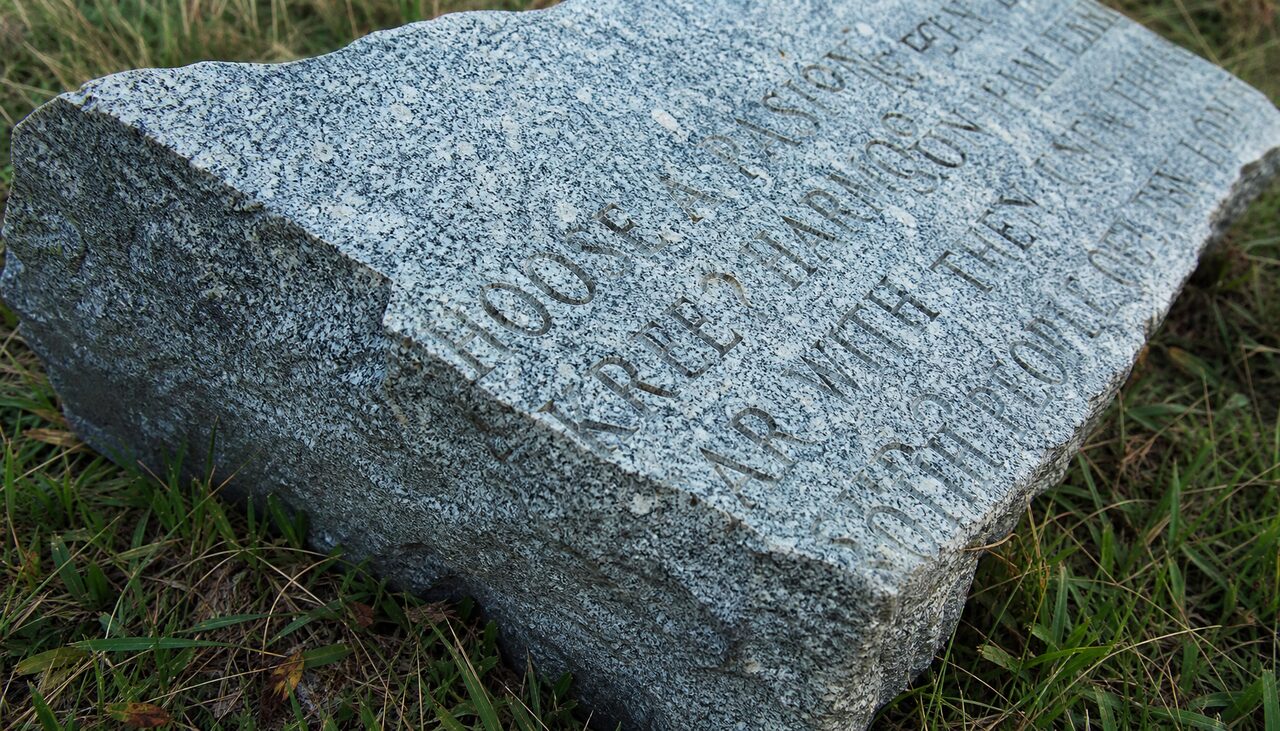
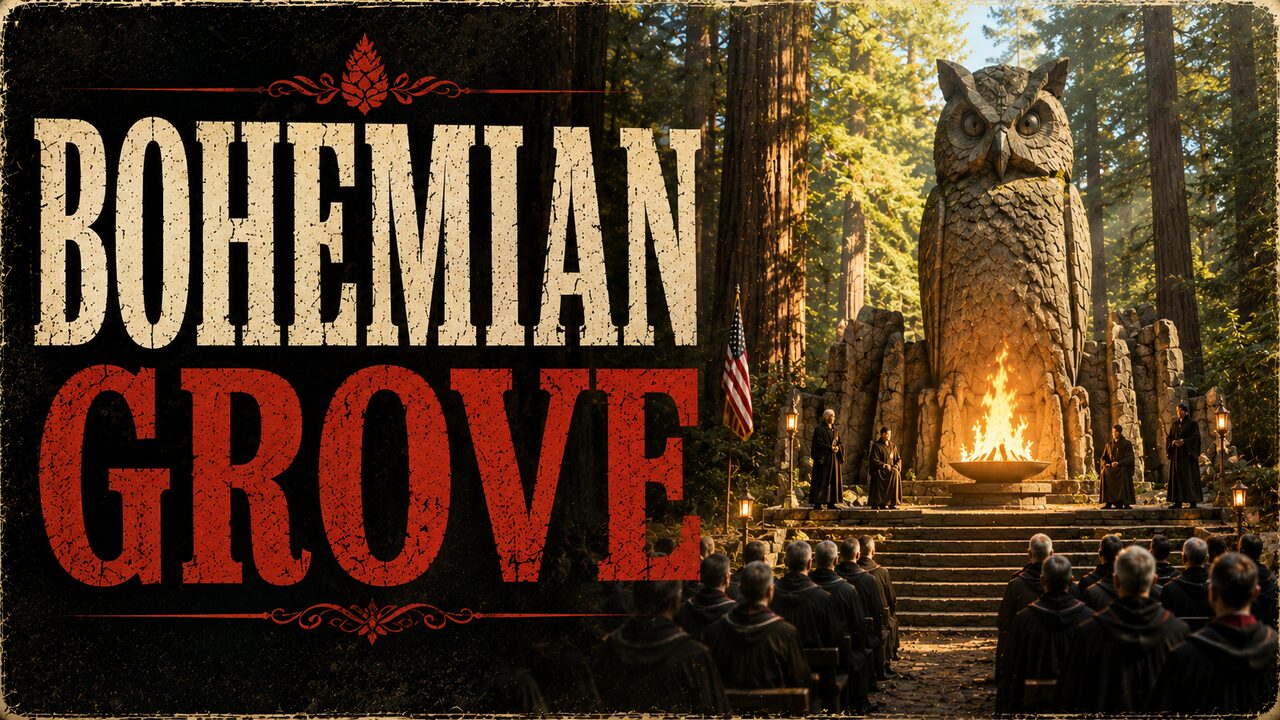
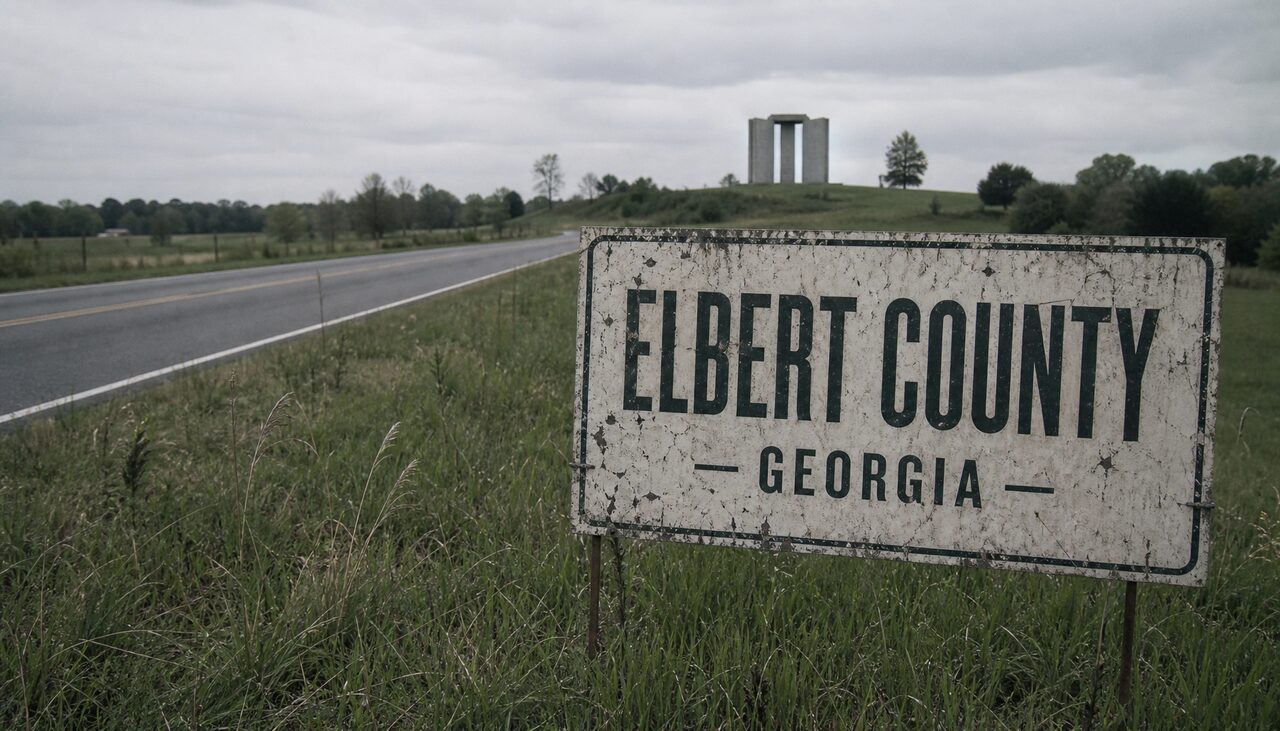
In June 1979, a man walked into the Elberton Granite Finishing Company in Elbert County, Georgia, and placed an order. He gave his name as Robert C. Christian. He said it was a pseudonym. He said he represented a small group of loyal Americans who wished to remain anonymous. Then he described what he wanted built.
Four granite slabs, nineteen feet tall each, arranged around a central pillar with a capstone on top. The slabs would be inscribed, in eight languages, with a set of guidelines for humanity. He gave precise astronomical specifications for the alignment. He paid in advance. He never returned. The company built it anyway. A paying customer is a paying customer, and a man who wires cash for nineteen-foot granite slabs has clearly made up his mind.
The Granite Capital of the World
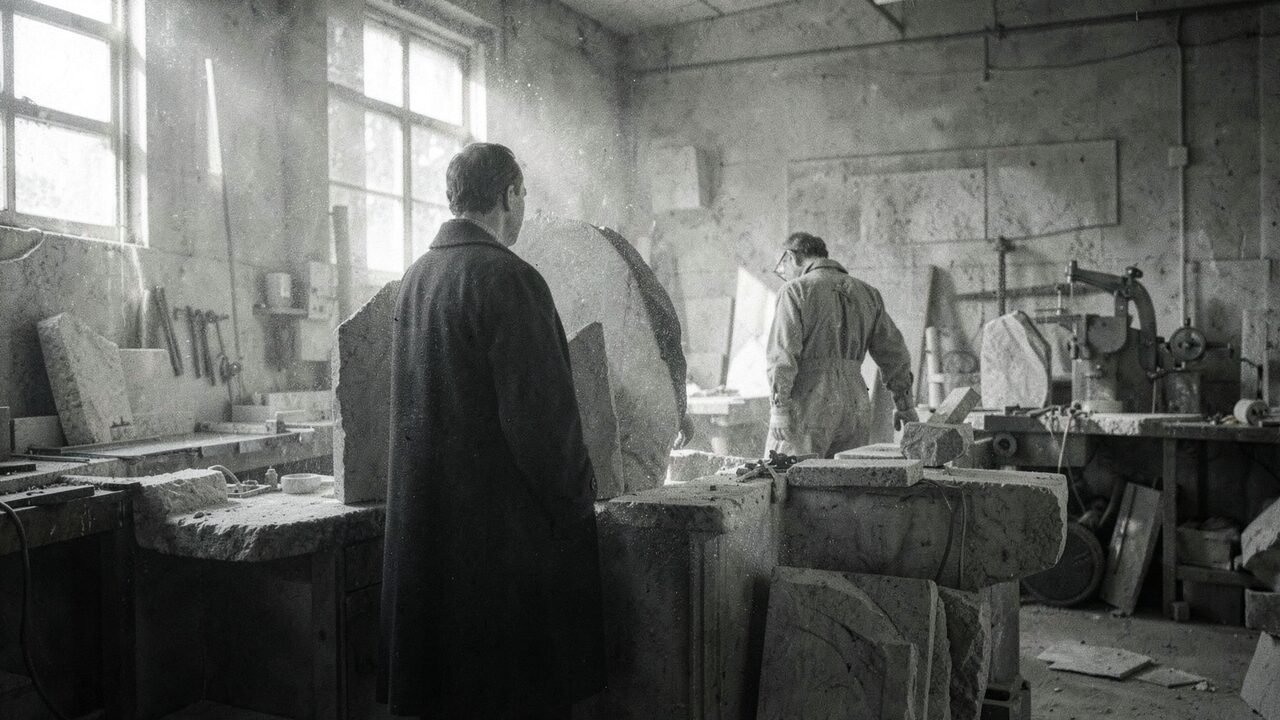
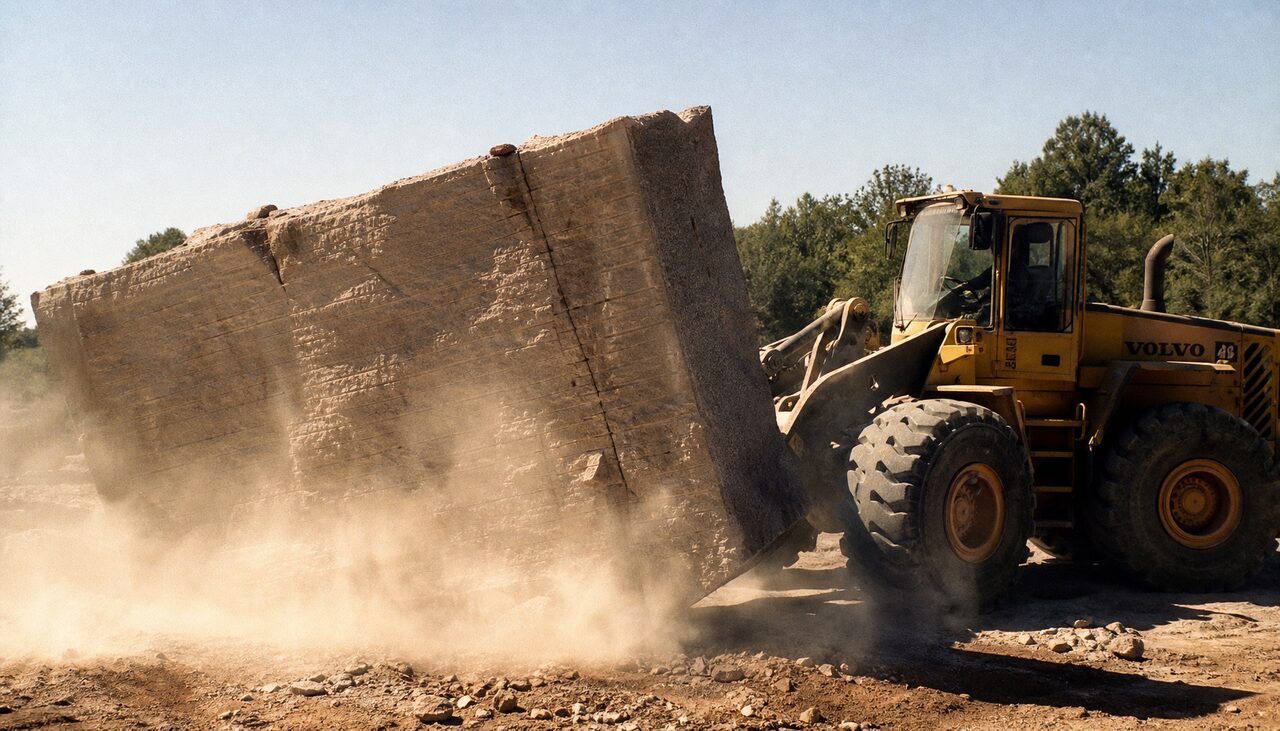
Elbert County calls itself the Granite Capital of the World, and it comes by the title honestly. The Elberton Granite Finishing Company had been cutting stone there since 1882. They knew granite. What they did not know was why a stranger with a fake name wanted a monument to the end of the world, or whether declining the job was even an option once the man started writing alignment specs on the counter.
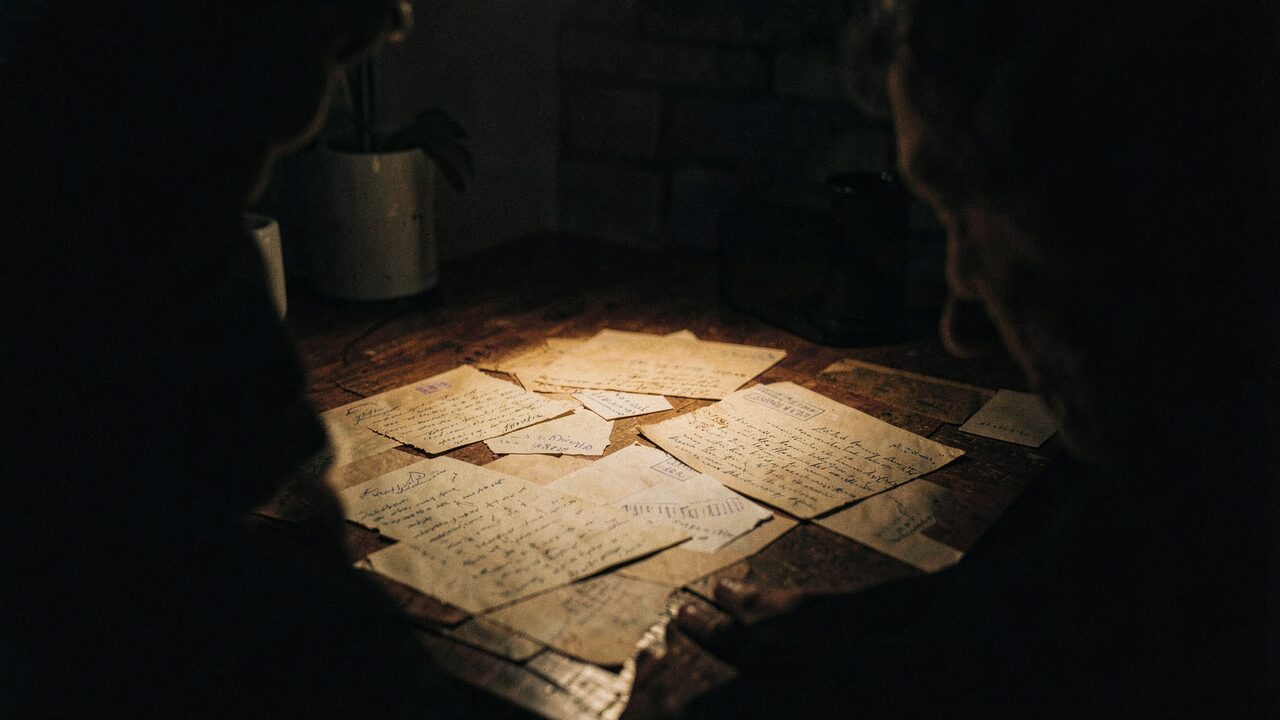
Joe Fendley, the company president, reportedly took Christian for a crank. He quoted an exorbitant price, expecting the man to leave. Christian did not leave. He accepted the price. Cranks do not usually do that. Fendley contacted his banker, Wyatt Martin of Granite City Bank, and Christian met with Martin and, under a confidentiality agreement, revealed his real identity.

Martin kept that secret for the rest of his life. He died in 2021, age 91, without ever saying the name. He had been asked. Repeatedly. He never said.
The name itself wrapped a small puzzle inside a larger one. Robert C. Christian — the initials R. C., which, to a certain kind of reader, point straight at the Rosicrucians, a centuries-old order of esoteric philosophers whose emblem was the rosy cross. Christian reportedly hinted at the connection, then declined to confirm it. A man commissioning a monument to clarity had picked a name engineered to mean three things at once. He enjoyed this, clearly.
Maintain Humanity Under 500 Million
Guideline one: Maintain humanity under five hundred million in perpetual balance with nature. It got all the attention. Five hundred million was not the current world population. It was not even in the neighborhood. The guideline implied, without specifying a mechanism, a reduction of roughly 93 percent. The stone declined to say how. The ambiguity, in retrospect, did the damage.
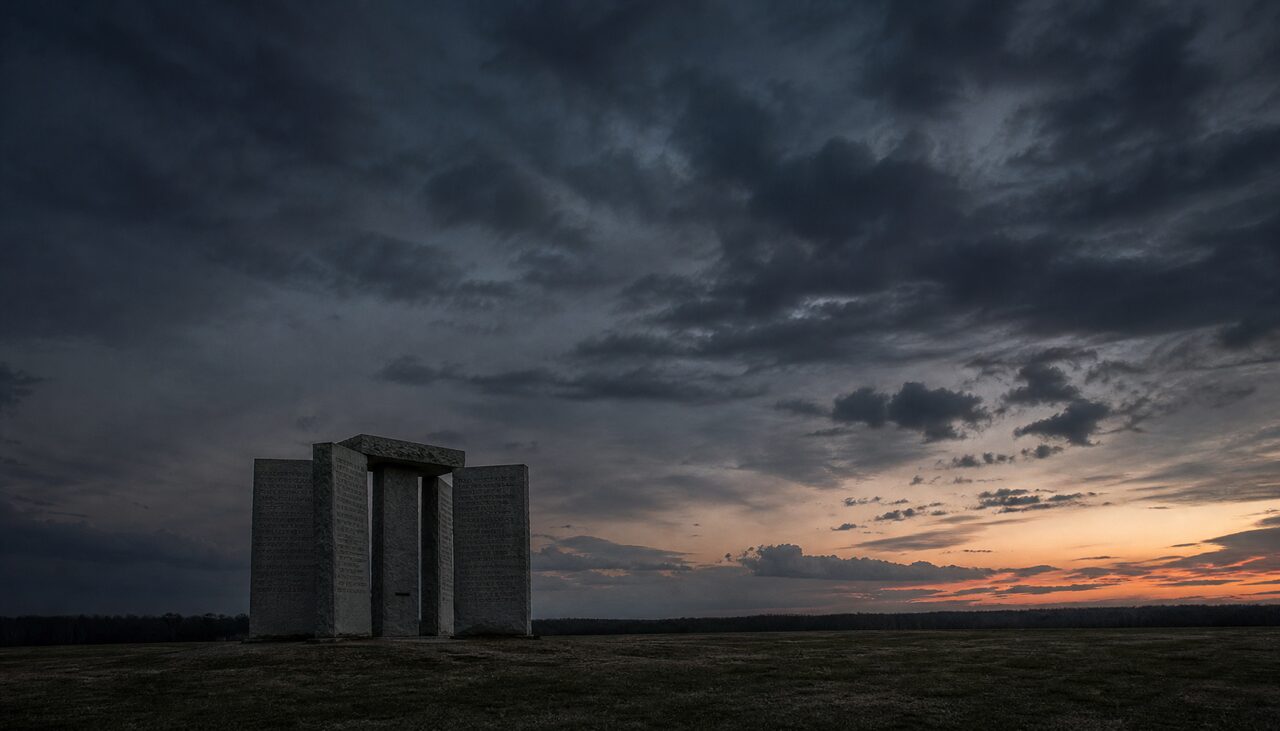
The other nine guidelines were milder, and almost nobody read them. They asked for fair laws and just courts. They asked nations to settle disputes in a world court. They asked people to avoid petty laws and useless officials — a line with genuine bipartisan appeal. One guideline called for uniting humanity under a single living language, a goal the monument chose to express in eight separate languages.
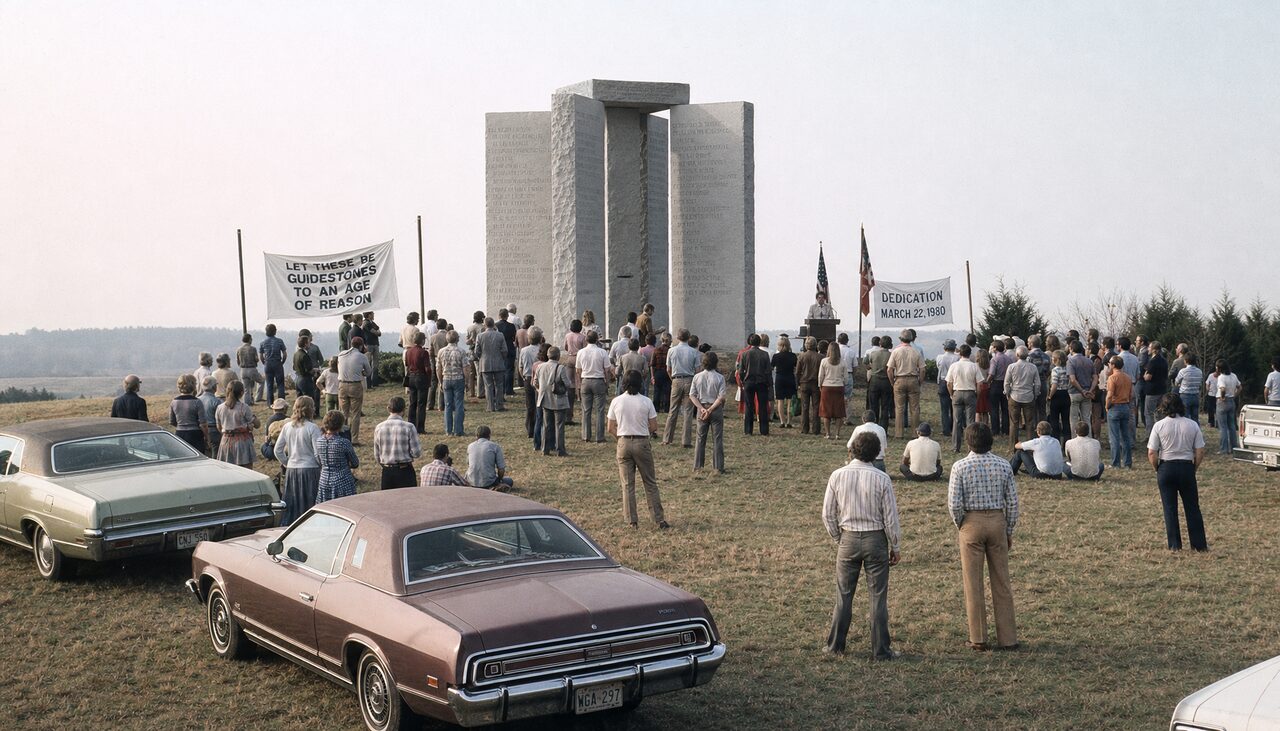
The final guideline read like a plea: Be not a cancer on the earth. Leave room for nature. On the capstone, in older scripts, a second line — Let these be guidestones to an age of reason — carved four times over in Babylonian cuneiform, Egyptian hieroglyphics, Sanskrit, and classical Greek. Dead languages, on a monument built to outlive the living ones. Somebody thought about this for a long time.
For all the doomsday paranoia, the monument doubled as a serious piece of astronomy. A hole drilled clean through the center pillar at an angle framed the North Star every night. A slot cut in the same stone tracked the sun across the solstices and equinoxes. An aperture in the capstone dropped a single beam of noon sunlight onto the center column to mark the day of the year. Whoever Christian was, he had done the reading.
On March 22, 1980, the Guidestones were unveiled. Several hundred people came out to a hilltop in Elbert County for the occasion — local officials, granite men, a congressman, reporters. It was, by every account, a pleasant spring afternoon. A crowd gathered in a field to applaud a stone that politely recommended reducing their number by 93 percent. Nobody appears to have taken it personally.
A Roadside Attraction
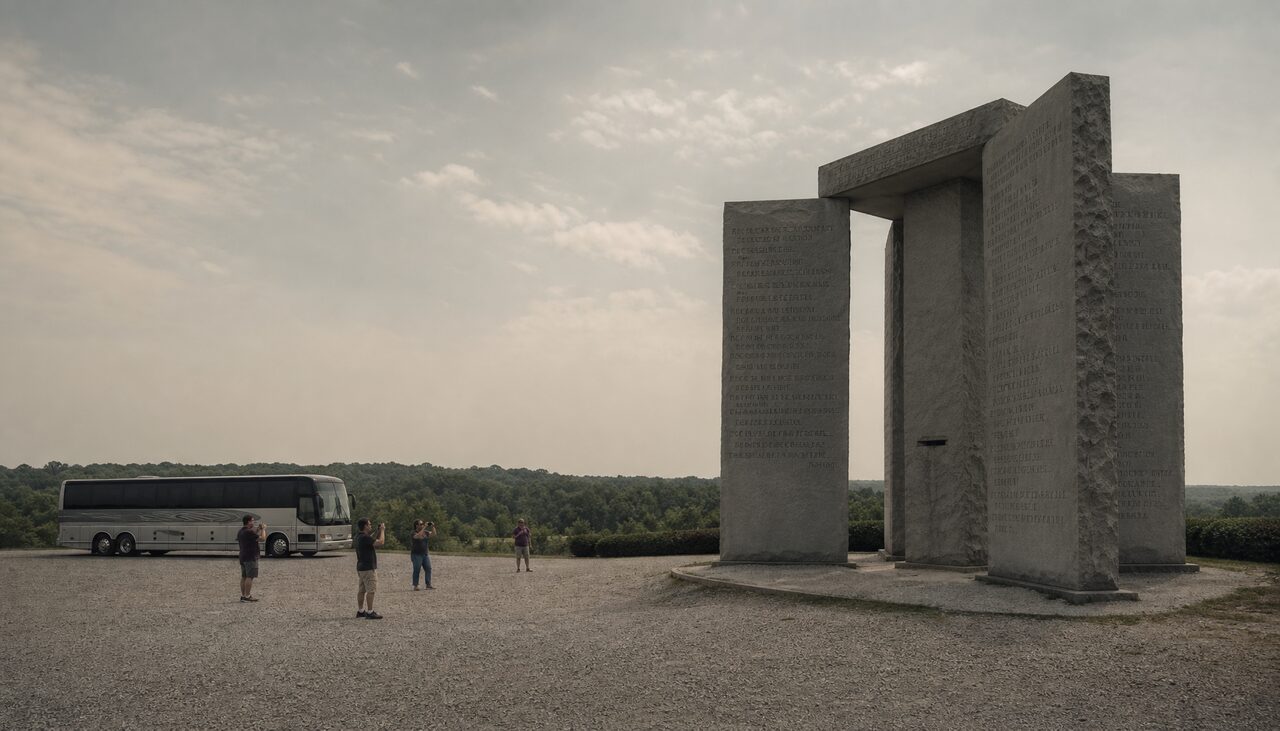
For the first two decades, the Guidestones were a curiosity. A roadside attraction. Tour buses stopped. Locals gave directions to the apocalypse monument the way you would point someone toward a large peach. Then the conspiracy theories arrived — gradually, then all at once. The first guideline became the fulcrum. In the conspiracy reading, the Guidestones were not a philosophical exercise. They were a mission statement. This required believing that a cabal capable of eliminating billions would publish its plan, in eight languages, on a roadside attraction in Elbert County.
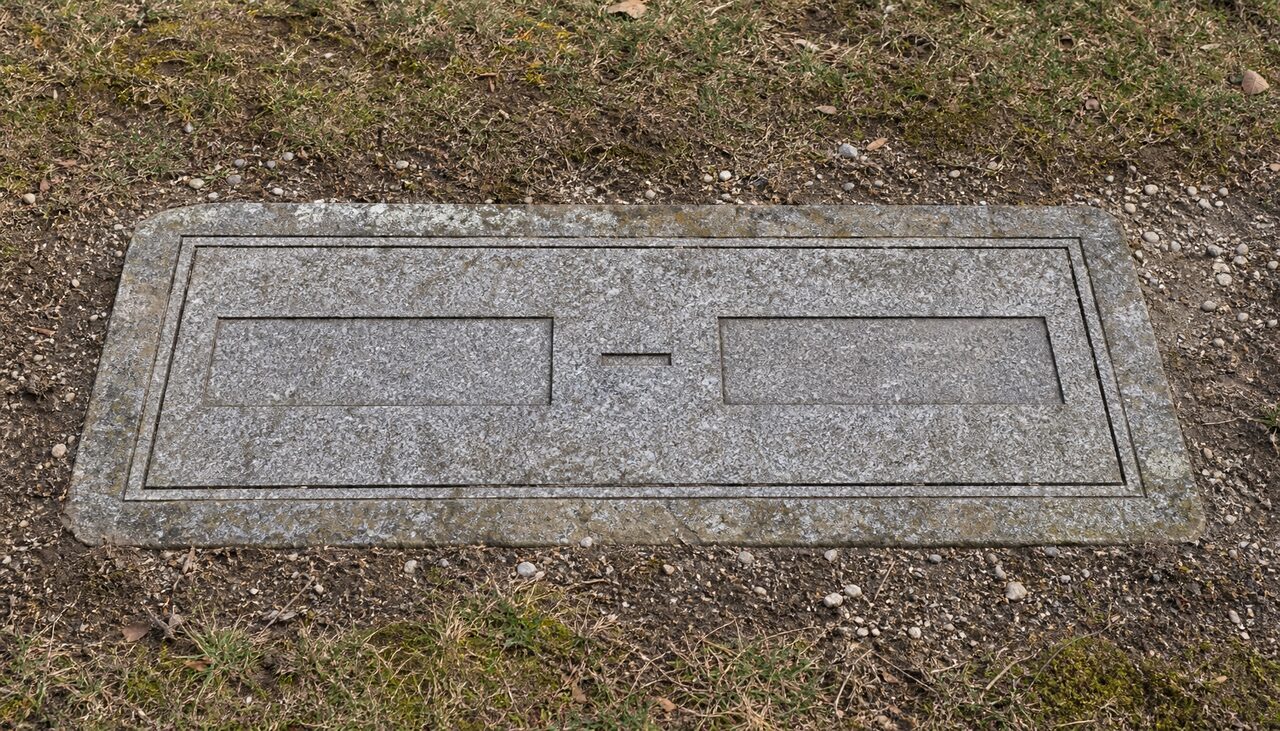
There was also a time capsule. A tablet set in the ground announced one was buried beneath it, with spaces left to engrave the date it went in and the date it should come out. Those spaces were never filled. When the county cleared the site in 2022, they dug six feet down to check. There was nothing there. The capsule, like the man who ordered it, seems never to have actually shown up. By now, this tracks.
By the 2000s, the monument had become a fixed target for a particular reading of the world. The New World Order. Agenda 21. A blueprint for global depopulation, hiding in plain sight off a county road. As early as 2005, the commentator Mark Dice had publicly called for the Guidestones to be smashed into a million pieces. They were not, then. But the idea was loose, waiting on someone with worse intentions and better equipment.
In 2022, Kandiss Taylor, a candidate for governor of Georgia, made demolition of the Guidestones part of her campaign platform. She called them Satanic. She received roughly 3.4 percent of the vote in the Republican primary. She did not win. The Guidestones outlasted her campaign — though not by much.
The vandalism had started long before the bomb. In 2008, someone splashed the slabs with paint and scrawled slogans about the global elite across the granite. Over the years there was more graffiti, usually a variation on the same theme. Crews would come out, scrub the stone, and leave it standing. For decades, the monument's enemies made do with spray paint. That courtesy did not last.
Gone by Dinnertime
At approximately four in the morning on July 6, 2022, an explosive device detonated against one of the four slabs and destroyed it. The blast was caught on a surveillance camera. Then came the part nobody expected. The same day, before the workday was out, Elbert County ordered the remaining structure demolished. No vote. No meeting. A county does not usually move that fast on anything. Crews arrived with heavy equipment. By the afternoon, the Georgia Guidestones were rubble.
The footage showed it plainly: a figure approaching one slab in the dark, a flash, and a silver-colored car pulling away down the road. The Georgia Bureau of Investigation released the video, circulated images of the car, and asked the public for help. Then the trail went cold, the way these things do. No arrest. No name. A monument built to be read for ten thousand years, undone by someone who was gone in under a minute.
Almost nobody in this story has a name. The builder used a pseudonym and vanished. The bomber was never publicly named. The county's decision to demolish the rest the same day reads, depending on your perspective, as either prudent emergency management or the tidiest possible end to a forty-two-year headache. Everyone here took care not to be identifiable. It is the one thing they all agreed on.
Very Good Granite
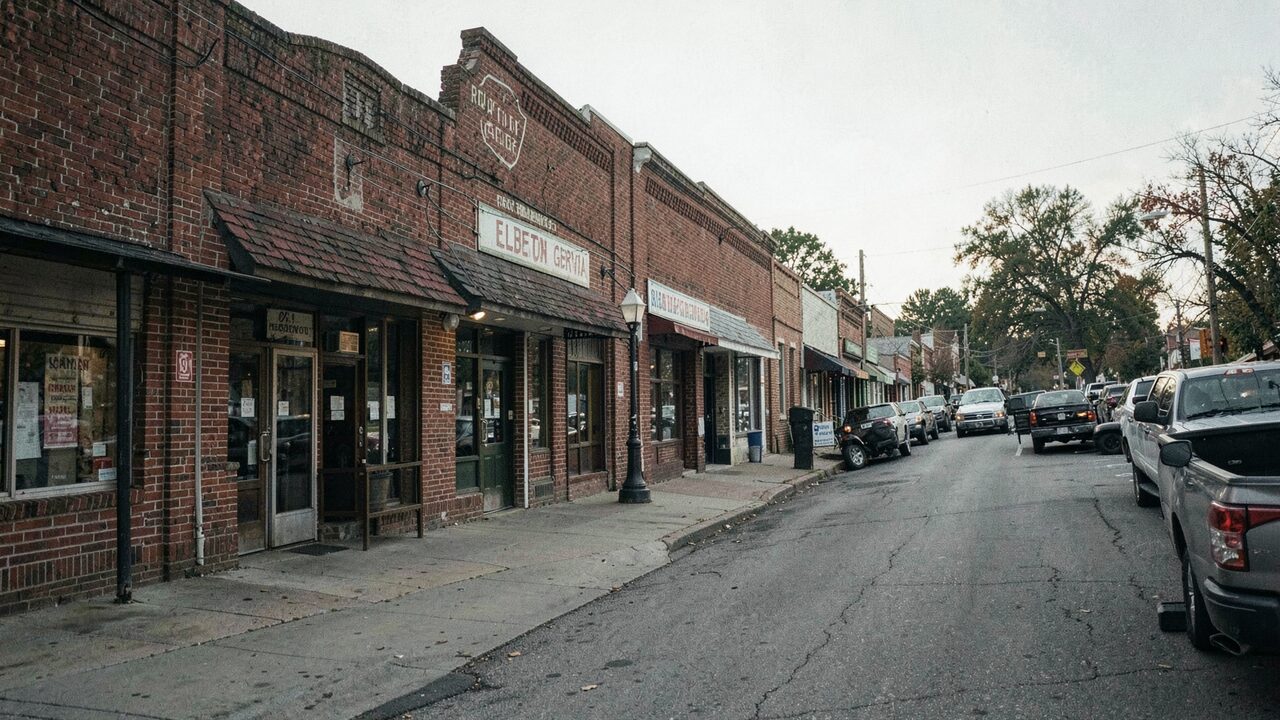
Elberton had mixed feelings about the whole affair for a long time. The Guidestones brought visitors, and visitors are good for a small town that sells granite. But the monument also brought reporters, conspiracy tourists, and the occasional preacher convinced the thing was Satanic. Some locals were quietly relieved when it was gone. Others missed the foot traffic. The Granite Capital of the World had spent forty years not entirely sure what to do with its most famous slab of granite.
The guidelines themselves remain available — transcribed, photographed, archived. The stone is gone. The words survive in every format except the one their anonymous author chose. Granite was supposed to be the part that lasted. Whether the Guidestones were a sincere attempt to preserve wisdom for a post-apocalyptic civilization, an elaborate philosophical exercise, or the vanity project of a wealthy eccentric with a flair for the dramatic, the record is no help at all.
The slabs did not simply disappear. After the demolition, the broken granite was hauled off on flatbed trucks and the site was scraped down to bare foundation. Pieces ended up in storage, some of it reportedly destined to be cut up and repurposed. A monument to preserving civilization through the ages spent its final chapter as inventory. Good granite finds a use.
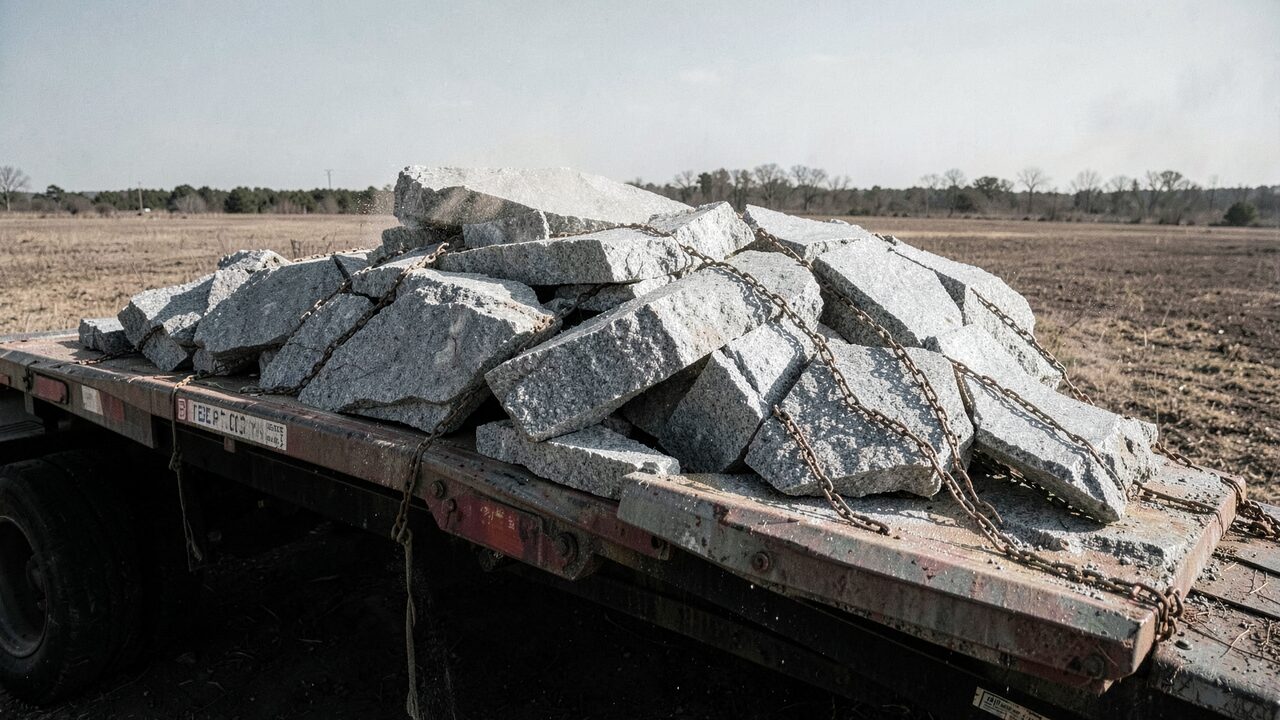
The monument set out to answer one question: how does humanity start over after the end of everything. It had instructions for surviving plague, war, collapse, the slow grinding centuries. It had nothing for a Wednesday morning and one person with a grudge. The thing designed to outlast the apocalypse lasted right up until an ordinary one. No collapse required.
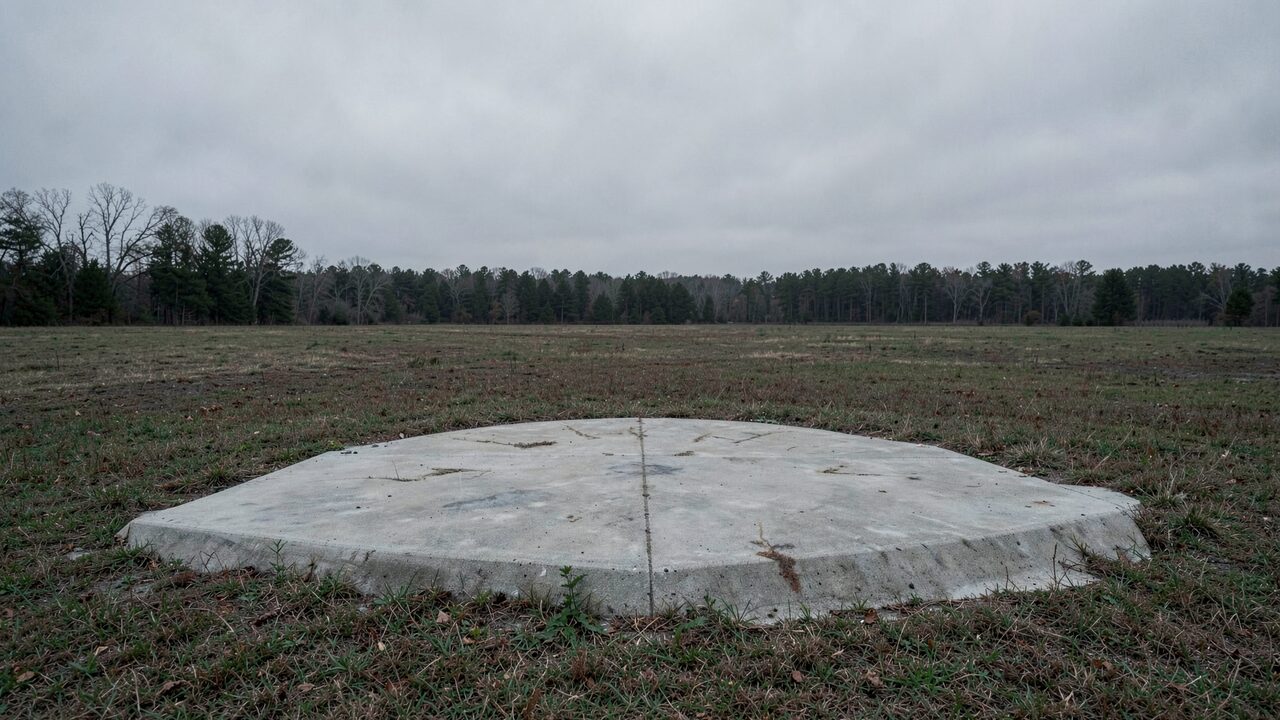
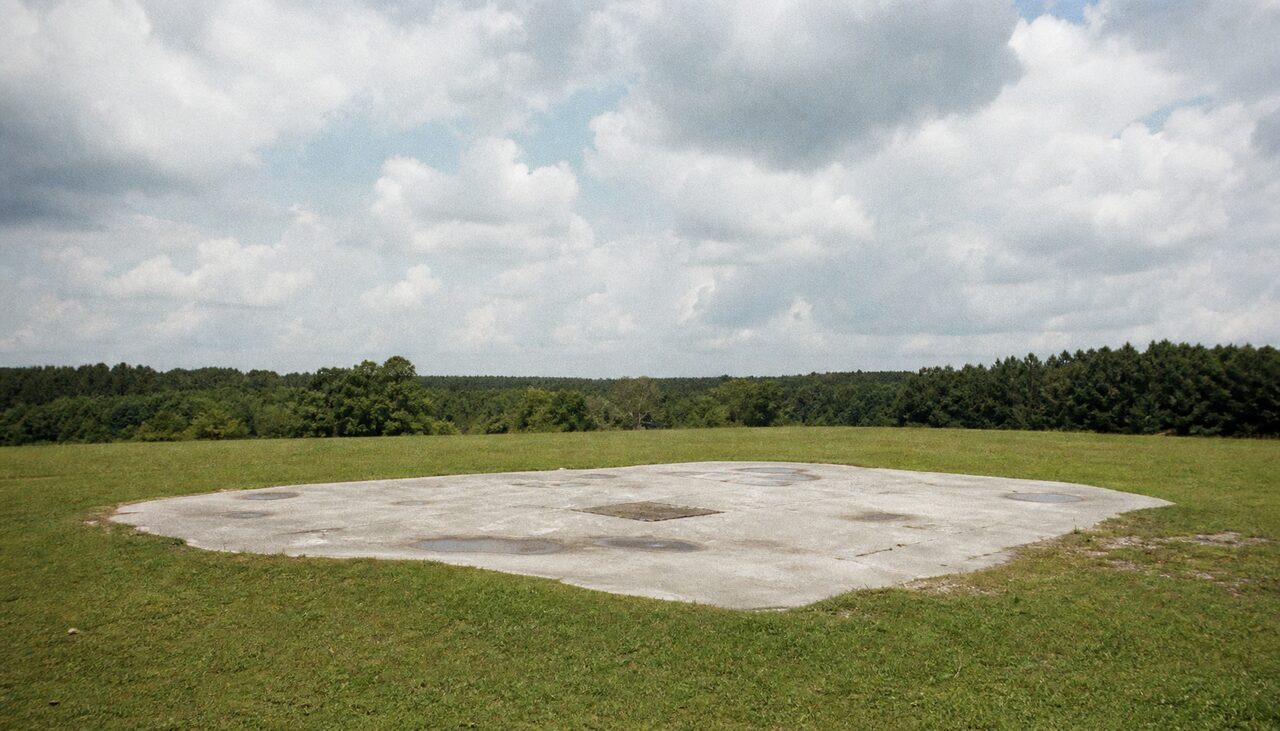
What remains is a concrete pad in Elbert County, a banker who took the name to his grave, an unsolved bombing, and ten guidelines for rebuilding civilization that now exist only in photographs and transcriptions. The granite is gone. It was very good granite. Pyramid Blue. Resistant to weathering. Resistant, as it turned out, to nearly everything.