On Halloween night, 1991, an eighteen-year-old named Doristine Gipson was driving along Bray Road near Elkhorn, Wisconsin, when her right front tire rode up over something heavy in the road. She stopped the car and got out to check. A large, dark, fur-covered figure rushed toward her from the roadside ditch. It was upright, on two legs, heavy, muscular, and fast. She got back in the car. As she pulled away, it jumped onto the trunk. It couldn't hold on.
What she'd hit, she believed, was the creature's dinner. It had been eating roadkill. Not hunting. Not stalking. Eating roadkill, like a raccoon — except bipedal and the size of a professional basketball player.
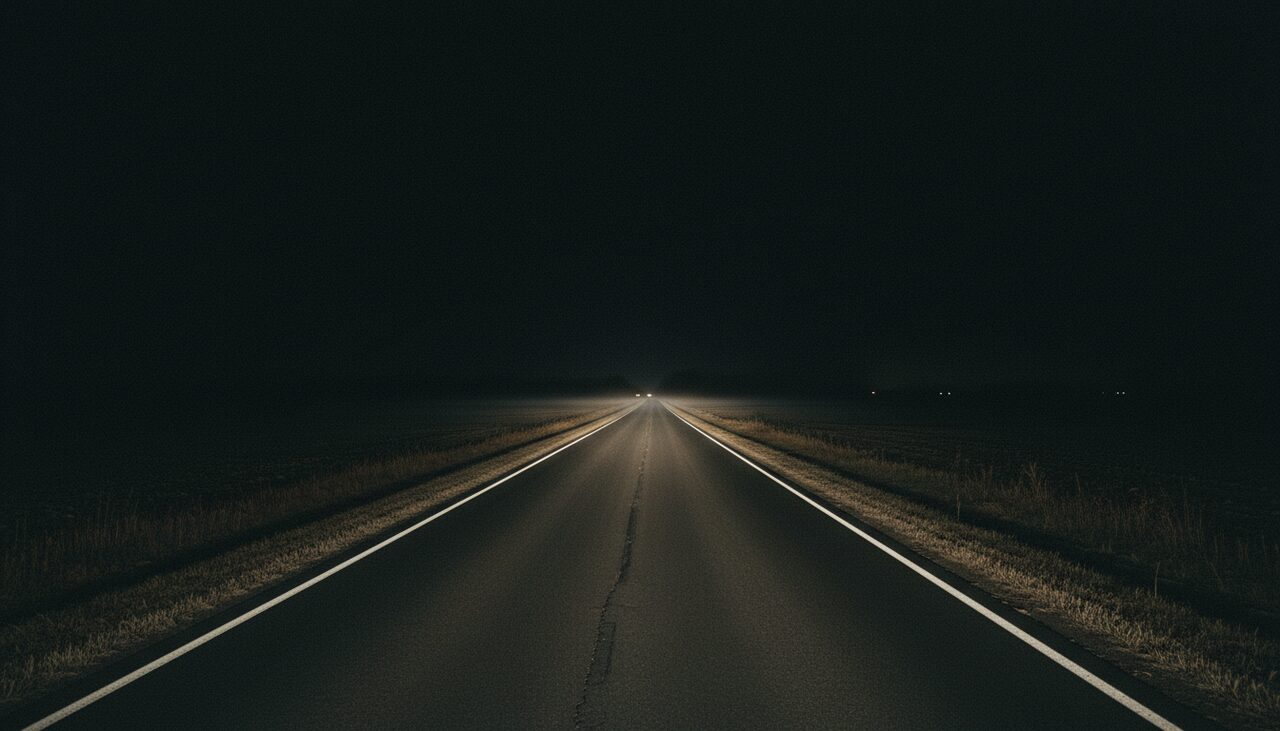
Gipson drove home and told her family what she'd seen. The next day she went back to Bray Road in daylight, with a child from the neighborhood, looking for whatever she'd hit. The girl in the car saw something dark moving through the field and started crying. They left. By the available accounts, Gipson did not go back after dark again. She wasn't the first person to report this, and she wasn't the last.
A Road in Wisconsin
Elkhorn is the Walworth County seat, about 10,000 people, roughly 40 miles southwest of Milwaukee. Gently rolling dairy country. The landmarks are grain elevators and cheese curd outlets. Bray Road itself is, technically, closer to Delavan than to Elkhorn — the next town over, with its own grocery store, its own post office, and its own opinions about the highway numbering. In small-town Wisconsin, "near Elkhorn" and "near Delavan" can describe the same two-mile stretch of road, depending on which county seat the speaker drives to for groceries. The creature did not weigh in. It was reportedly seen by people from both towns.
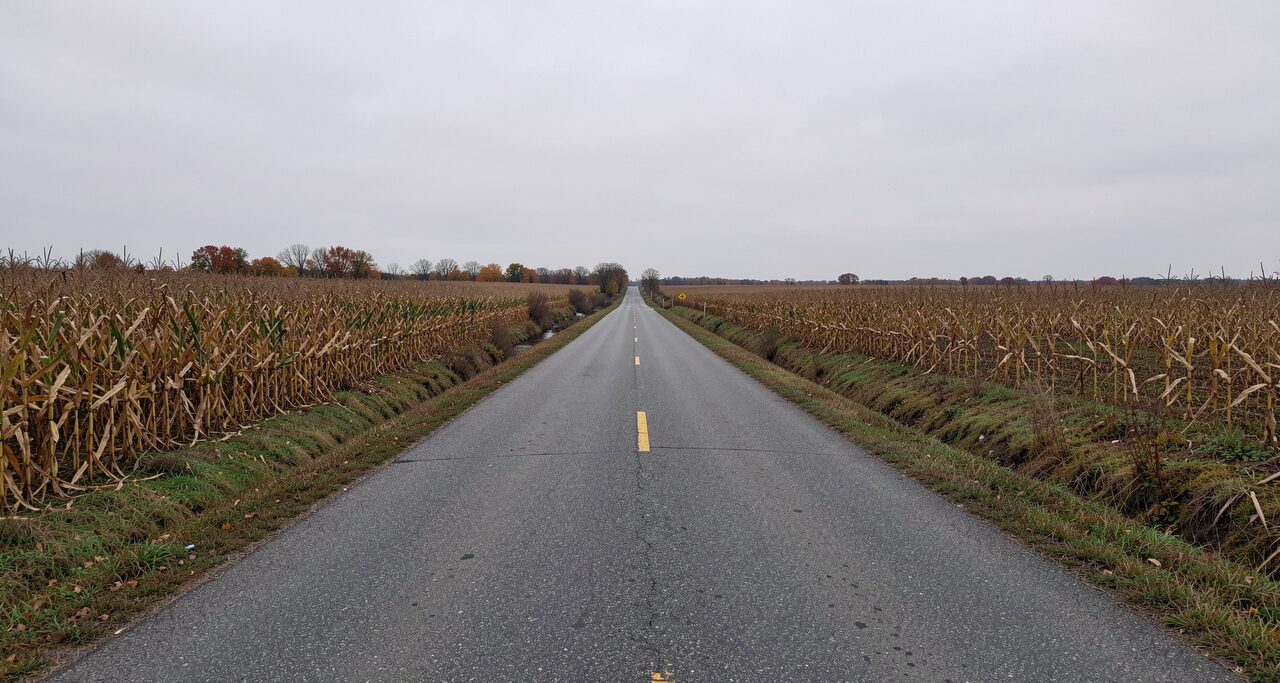
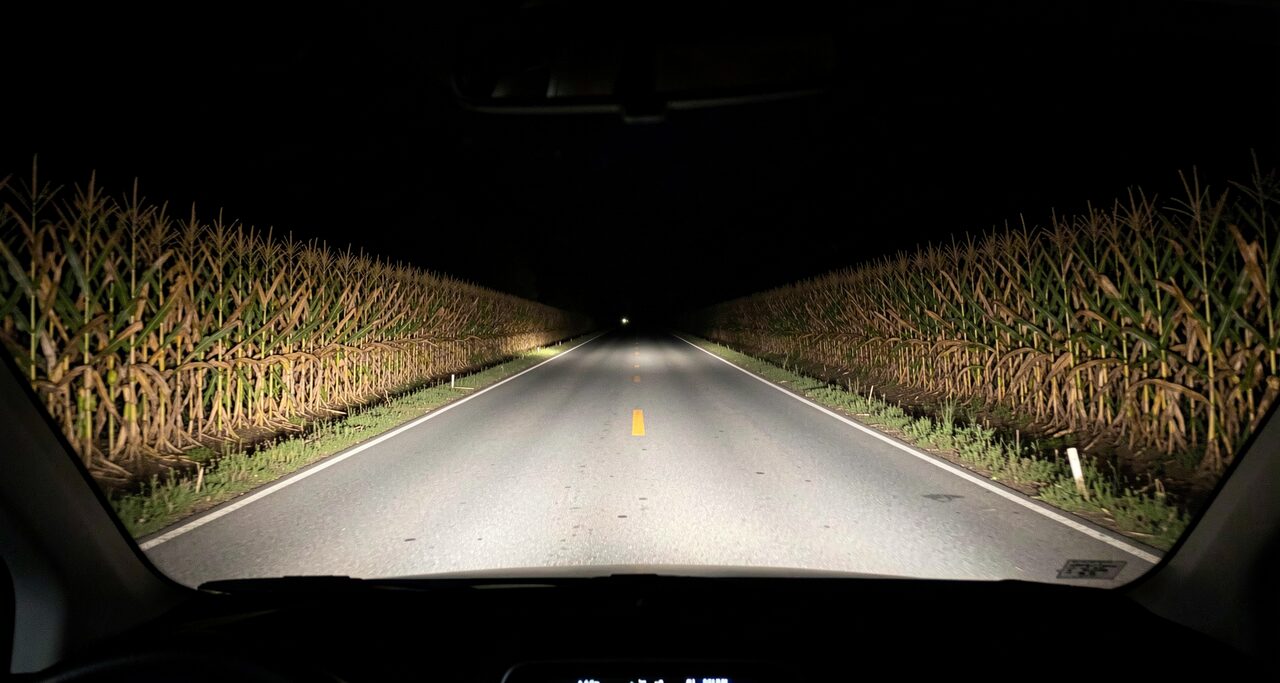
Bray Road runs southeast of the city through cornfields, woodlots, and low marshy ground along Bray Creek. There are no deep forests, no mountain hollows, no mist-covered moors. It's a road, in Wisconsin, near a creek, with a lot of roadkill. The creature reportedly sighted there has the decency to match its surroundings. By all accounts it is not particularly dramatic. It eats garbage.
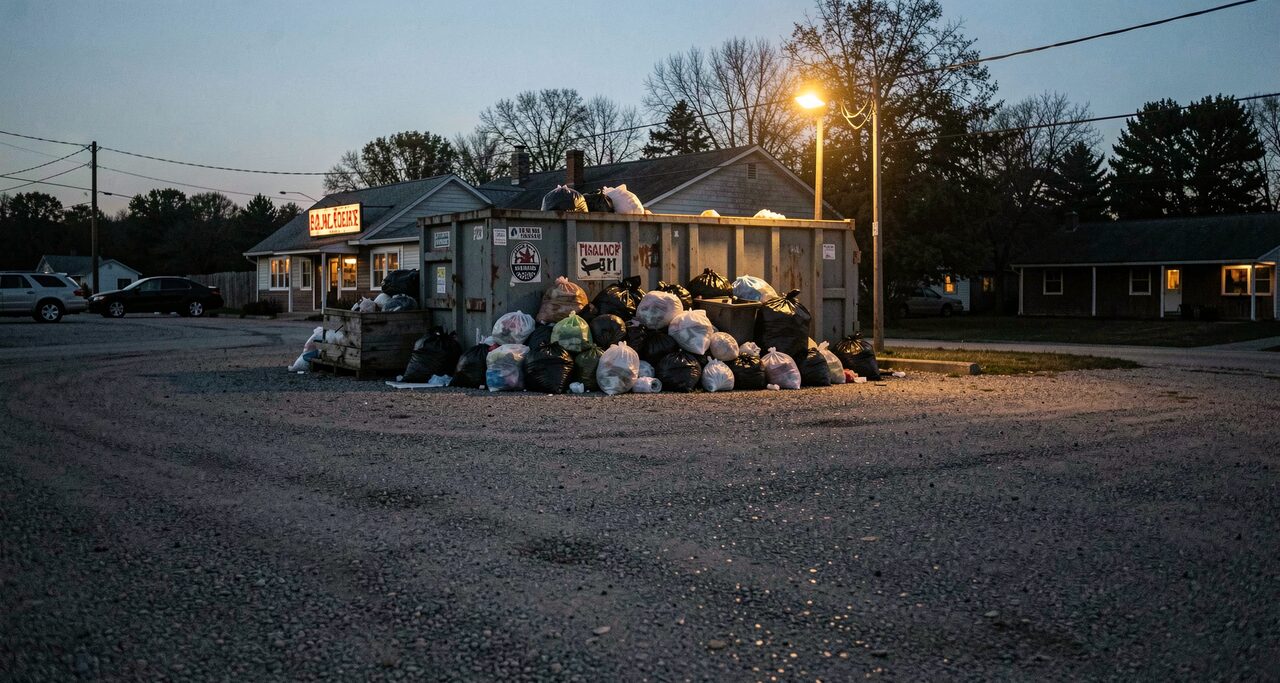
A note on the local wildlife, because it matters later. Wisconsin's gray wolves were extirpated by the 1950s. By 1989, when the first Bray Road sightings began, there were essentially no wild wolves in the southern half of the state. Coyotes, yes. Wolves, no. The official explanation for the sightings would later hinge on witnesses having mistaken something canine for something else canine — which is awkward, because the thing they were describing was not native to the county. Whatever it was.
The sightings were first reported not by a paranormal investigator and not by a tabloid, but by Linda Godfrey, a reporter and illustrator for The Week, a Walworth County paper. In December 1991 she was assigned a story about rumors circulating in Elkhorn. Residents had been talking about a large animal seen along Bray Road. The editor thought it might make decent filler — something to run next to the farm auction listings. Godfrey expected to write a lighthearted piece about people seeing coyotes in the dark and letting their imaginations do the rest. She conducted the interviews. The article was not lighthearted.
The Filler Assignment
The earliest encounters Godfrey documented date to 1989. A dairy farmer named Scott Bray — yes, as in the road — reported seeing a "strange looking dog" in his pasture that September or October. He didn't call anyone. It was on his property, and then it wasn't.
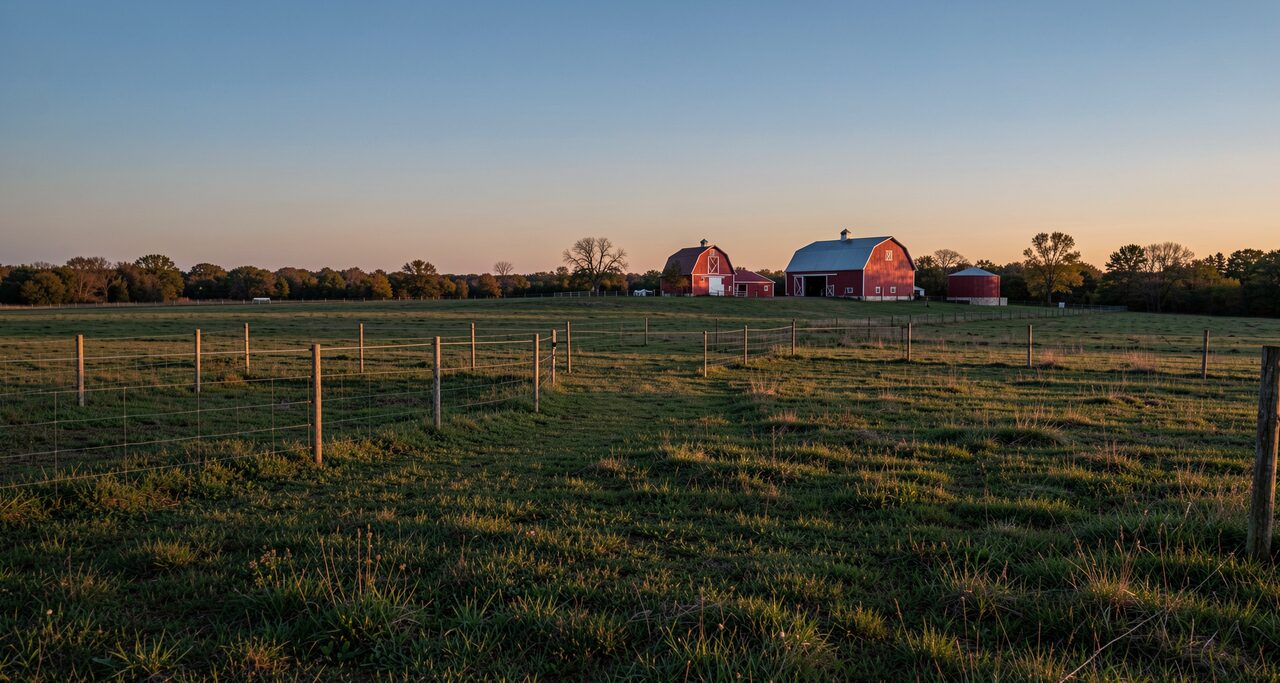
Around the same time, a bar manager named Lori Endrizzi was driving home on Bray Road about 1:30 in the morning. She saw what she took for a person kneeling at the roadside and slowed down. It wasn't a person. She described it as gray-brown, furred, with a long snout and fangs, its arms jointed like a human's. It was holding something, palms up, the way a person eats. To quote her: "Built like a man, but it wasn't a man."
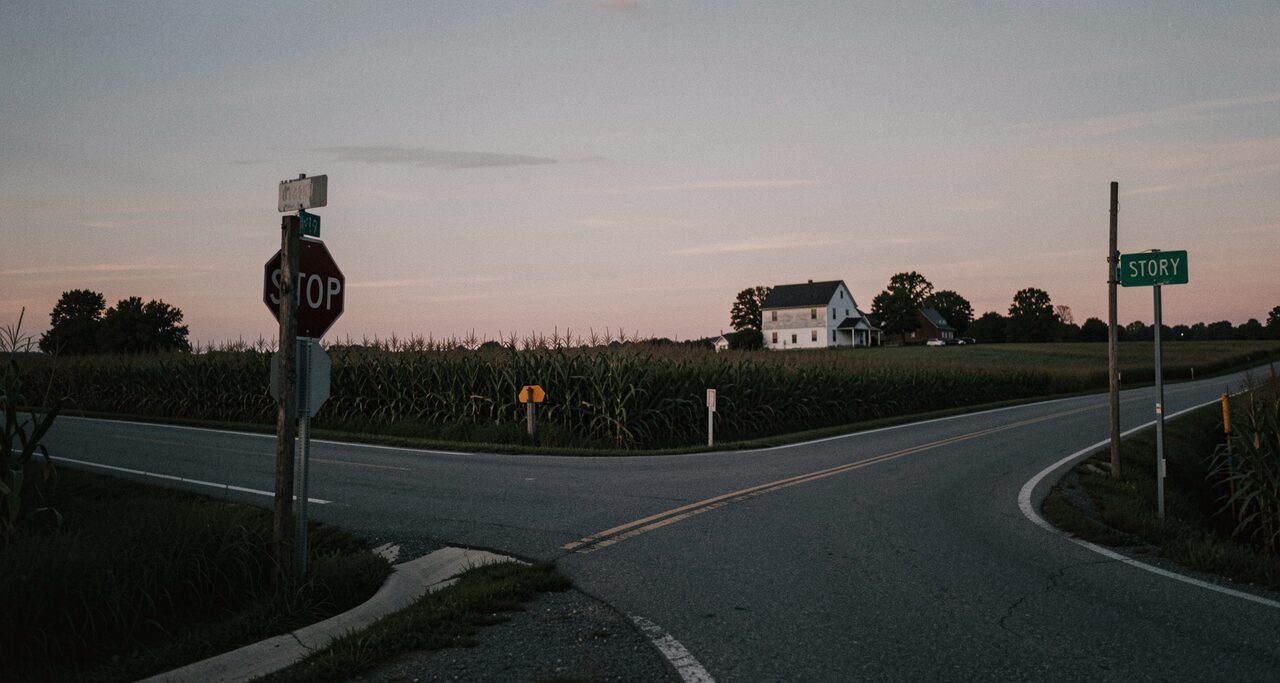
The encounters came with specific addresses. Gipson's tire-strike happened near the intersection of Bray Road and Hospital Road, a two-lane crossing flanked by corn and one farmhouse. Endrizzi saw the kneeling figure on a different stretch, closer to where the road dips toward Bray Creek. Reports clustered along a corridor of about three miles. Witnesses could pin the thing on a county map without arguing about which oak tree they meant.
Another witness, a Walworth County resident named Mike Etten, reportedly told Godfrey he saw the creature from his car late one night, sitting on its haunches beside the road, watching him pass. He estimated it at six feet tall, sitting. He went home, did not call the sheriff, and kept the story inside his family for months. That was the pattern. People saw the thing, decided telling anyone would be a mistake, and eventually told one person anyway — usually a spouse, usually in a kitchen.
The descriptions converged on the same general shape: six to seven feet tall upright, coarse grayish-brown fur, a canine head with a long snout and pointed ears, muscular upper body, heavy shoulders. Most often seen at night. Near roads. Almost always near something dead.
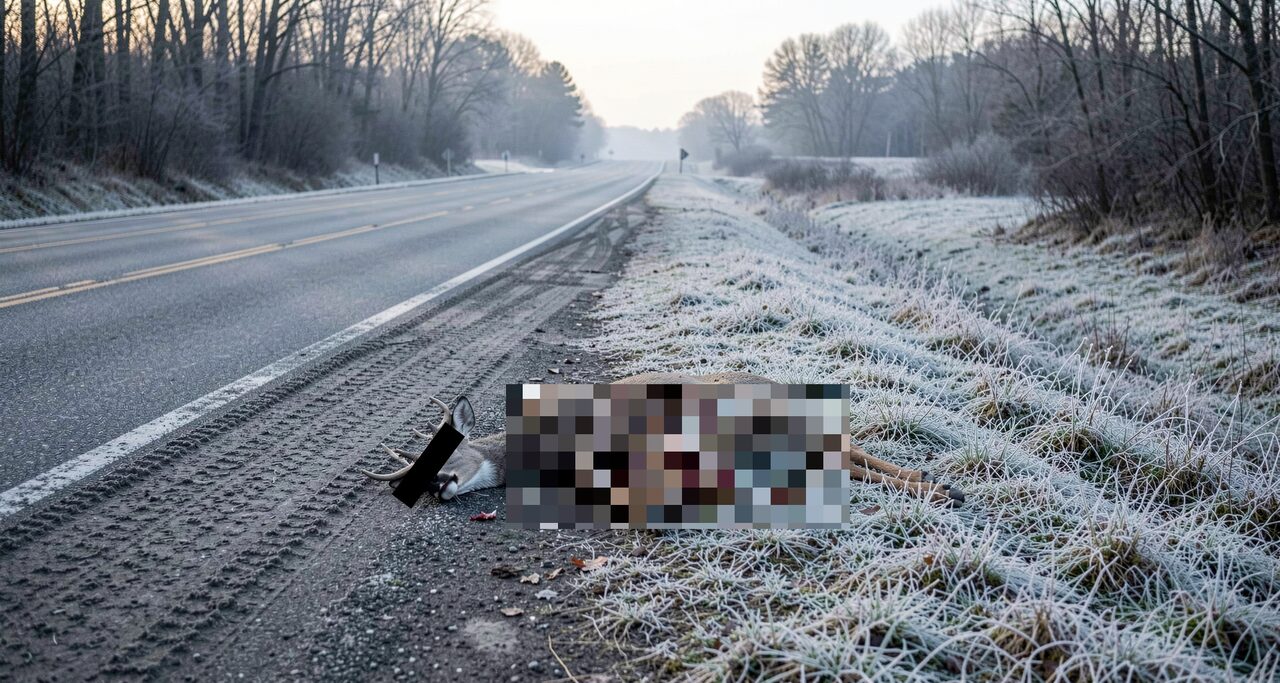
No witness reported being attacked or chased. The creature's most consistent behavior, across two decades of sightings, was eating things that were already dead — roadkill, dumpster contents, animals hit by cars. A werewolf that scavenges is, if anything, more unsettling than one that hunts. A predator occupies a comprehensible ecological role. A seven-foot canine scavenger implies something that has adapted to human infrastructure, that uses our roads as a buffet line, that is in a meaningful sense living alongside us and making do.
Godfrey worked the beat with an unusual rule. A story only counted if the witness brought it to her unsolicited. She would not seed an interview by asking whether someone had seen anything strange, because she knew what that question does to memory. She wanted the encounter volunteered, in the witness's own words, before she added it to the file. It is the kind of methodological discipline you'd expect from an academic, applied to a beat normally covered with adjectives like "spooky."

Her initial article ran in The Week on December 29, 1991. The reaction was immediate. More witnesses came forward — people who'd seen something on or near Bray Road and told no one. The county switchboard got calls. The Wisconsin Department of Natural Resources got calls. The DNR's response was a small masterpiece of institutional diplomacy: it acknowledged receiving reports of unusual animal sightings, declined to speculate, and suggested witnesses might be observing a bear. Witnesses had described it as canine, bipedal, and seven feet tall. The DNR suggested it was a bear. The bear was not available for comment.
By the Books
Godfrey kept investigating. She published The Beast of Bray Road in 2003, Hunting the American Werewolf in 2006, Real Wolfmen in 2012, Monsters Among Us in 2016 — eighteen books in all. The reporter sent to write a fluff piece about country people seeing things in the dark wrote eighteen books, because the witnesses kept being credible and the story kept not making sense.

After her article, the story moved. The Milwaukee Journal picked it up, then the wire services. Inside Edition reportedly came to Elkhorn with a camera crew and an interest in footage Wisconsin doesn't usually provide. The town's reaction was mixed. Some residents enjoyed the attention. Others did not enjoy being asked about werewolves at the gas station. The Elkhorn chamber of commerce found itself, without warning or preparation, the accidental werewolf capital of the upper Midwest.
The sightings didn't stop in the nineties. They spread beyond Bray Road, beyond Walworth County, into the 2000s and 2010s. In 2006 a highway department worker reported seeing a large canine figure cross Highway 11 near Elkhorn around 2 a.m. The creature crossed on two legs, stepped over the guardrail — stepped over it, not climbed — and disappeared into the tree line. He estimated its height at seven feet. He didn't file a report. He told his wife. His wife told Linda Godfrey.
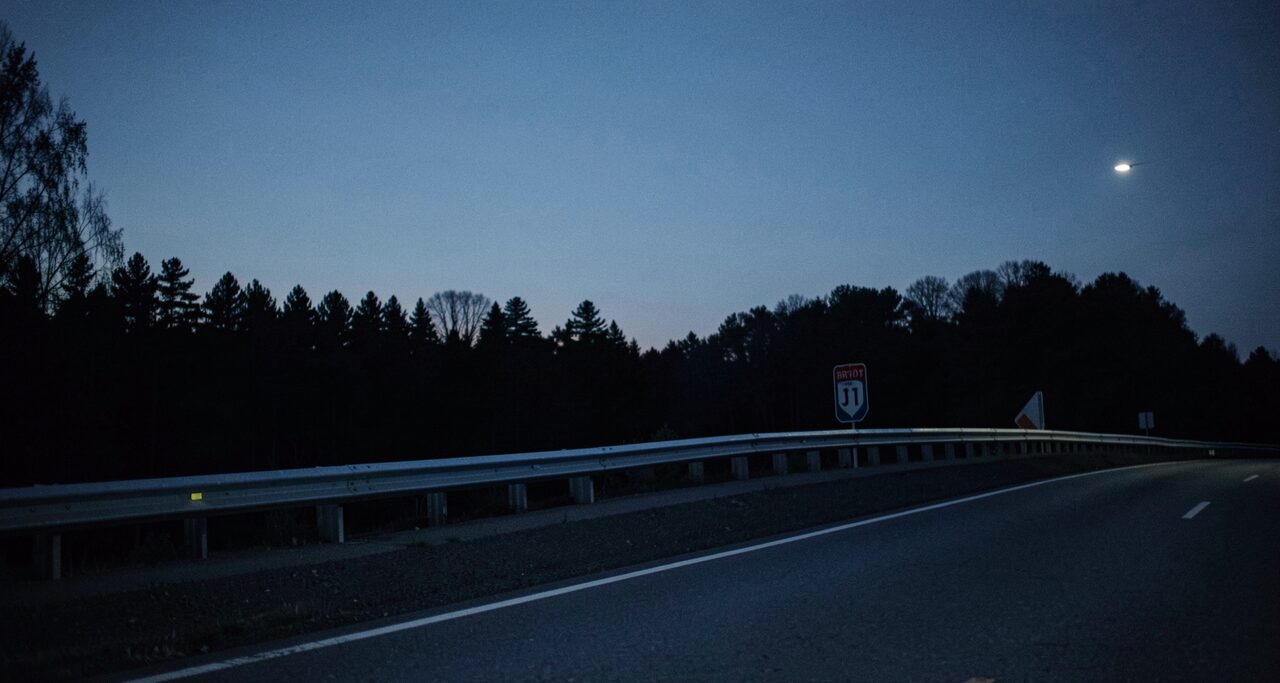
The lack of physical evidence is, depending on your perspective, either the strongest argument against the creature's existence or a deeply strange feature of it. Thirty-plus years of sightings have produced not a single confirmed hair sample, footprint cast, or photograph that rises above ambiguity. It doesn't mark territory. It doesn't leave kill sites — because it doesn't kill. In more than thirty years there is no documented attack on a human, no missing pets traced to it, no livestock killed, no chickens taken, no calves dragged from a pasture. A predator the size of an NBA forward, in dairy country, surrounded by easy targets, has reportedly killed nothing. The inaction is itself a kind of data.
When Godfrey first went to John Fredrickson, the Walworth County animal control officer, he didn't laugh. He showed her a folder. The folder was labeled "werewolf." It was not a thin folder.

What to Call It
The skeptical explanations are the ones you'd expect. Misidentified bears. Mangy wolves or large coyotes in poor lighting, inflated by fear. Confirmation bias — once the article ran, people began seeing what they expected to see, and a werewolf is more interesting than another story about milk prices. These are reasonable explanations, and they account for most cryptid sightings.
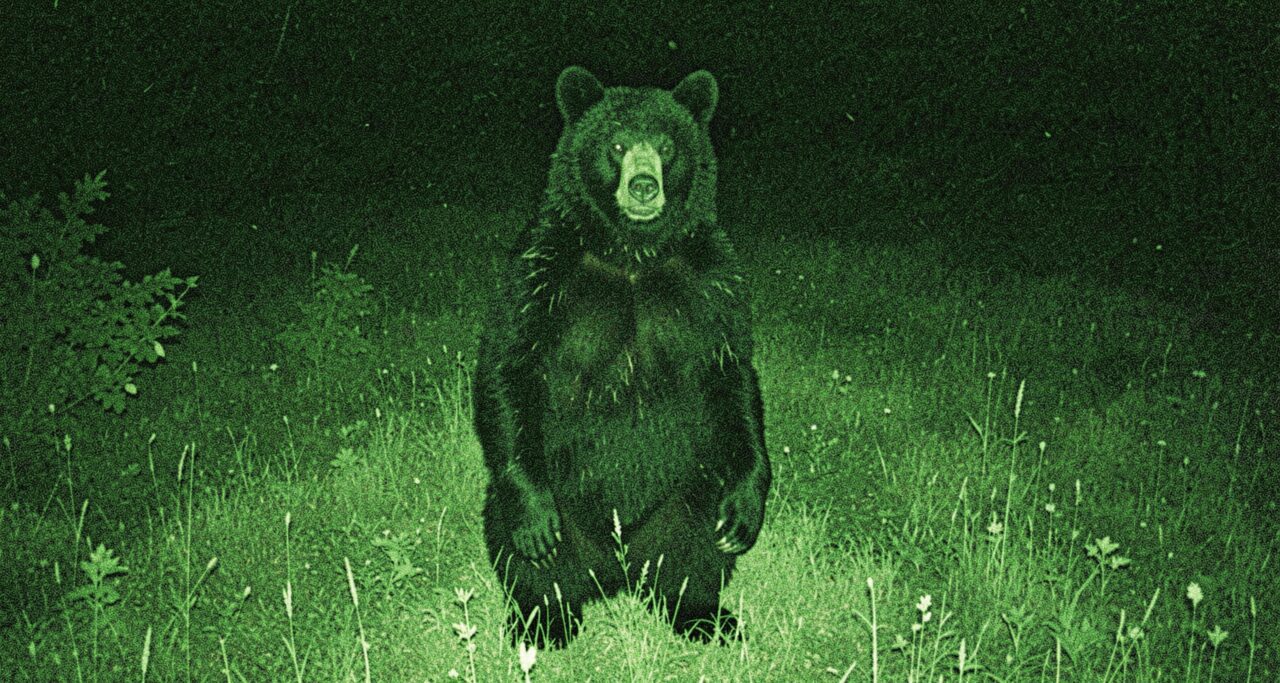
What the skeptical reading handles less gracefully is the consistency, the sobriety of the witnesses — an animal control officer, a dairy farmer, a highway department worker — and the timing. Endrizzi and Scott Bray reported their encounters in 1989. Godfrey's article didn't run until late 1991. They weren't responding to a news story. They were responding to something on Bray Road.
The cryptid hypothesis has its own problems. No bipedal canine species is known to exist, has ever existed in the fossil record, or could plausibly sustain a breeding population in agricultural Wisconsin without leaving evidence. A seven-foot upright canine is not a subtle animal. It would need to sleep, defecate, reproduce, and die, and none of those activities has produced anything recoverable in thirty years. There is also a nomenclature problem. Researchers cannot agree on what to call it: werewolf, Manwolf, Dogman, or Shunka Warakin, a name from Ioway oral tradition for a wolflike animal that wasn't a wolf. None of these terms has a type specimen. None appears in any zoology textbook.
There is a parallel case. In the same window of the late 1980s and early 1990s, witnesses in Michigan's upper peninsula began describing a similar creature, eventually documented as the Michigan Dogman. Two states, two clusters of reports, one rough description, one rough timeframe. Researchers have argued ever since about whether they're the same animal, two animals, or two folk traditions emerging at once for reasons no one can quite name.
The Folder Got Thicker
Linda Godfrey died on November 27, 2022. She was 71. Parkinson's disease. She spent thirty years on the filler assignment and never claimed to know what the witnesses saw. She just kept listening to them. The folder got thicker. Roadkill continued to be eaten.

Bray Road is still there — cornfields, drainage ditches, the occasional deer carcass. People still drive it at night, and some still report seeing something large, upright, and canine in the ditches, doing what it apparently does.
Elkhorn has adapted. There is a bicycle route named the Beast of Bray Road ride. A local brewery named a beer after it. A local film premiered in town in March 2025. Novelty t-shirts exist. The town that did not ask to be the werewolf town is now, depending on the resident you ask, either gracefully embracing it or quietly hoping the next generation moves on to a different topic. This is what happens to a Wisconsin county seat when something inexplicable lives, allegedly, in the drainage ditch off the county highway. Eventually somebody puts it on a pint glass.
Sources & Case References
- Walworth County Community News — Linda Godfrey's original 1991 article, "Tracking down 'The Beast of Bray Road'"
- Walworth County Community News — "The mystery of 'The Beast'" (2006)
- Walworth County Community News — "Linda Godfrey, who launched 'Beast of Bray Road' legend, has died" (2022)
- Wisconsin Frights — Bray Road overview
- Wisconsin Frights — "The Beast of Bray Road (2025) Movie Premiere"
- Linda Godfrey, The Beast of Bray Road: Tailing Wisconsin's Werewolf (2003)