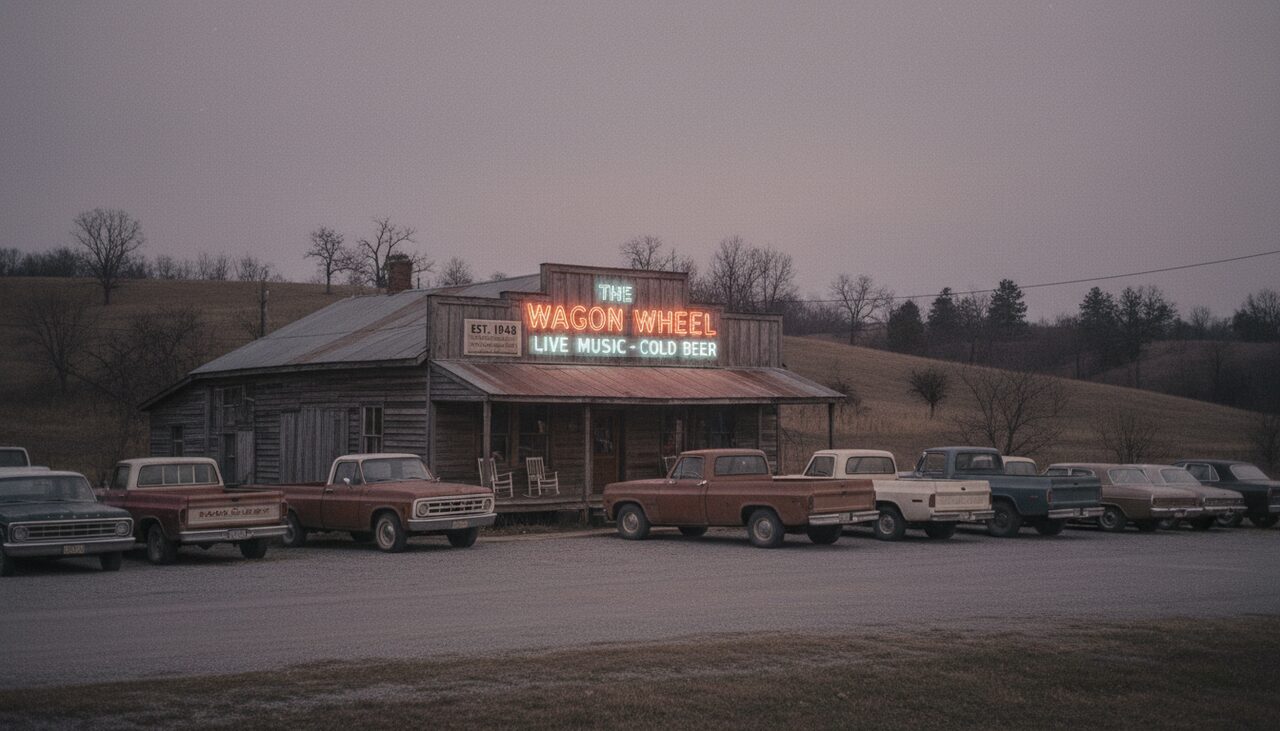
There's a honky-tonk bar at 44 Licking Pike in Wilder, Kentucky, just south of Cincinnati, where you could order a cold beer, hear live country music on a Saturday, and read a yellow printed sign near the entrance disclaiming the management's liability for ghosts. The beer was served upstairs. The portal to hell was allegedly in the basement, near a well. Both, on any given night, were on the menu.
The sign reads, quoting in full: "Warning to our patrons. This establishment is purported to be haunted. Management is not responsible and cannot be held liable for any actions of any ghosts/spirits on these premises." It went up after a customer named J.R. Costigan sued Bobby Mackey for a thousand dollars, claiming a ghost had punched and kicked him in the men's restroom. The judge threw the case out and reportedly told Costigan to take the matter up with a higher power. The lawyer's defense, for the record, had argued the difficulty of getting a ghost into court to testify. The lawsuit was the problem. The sign was the solution.
The sign does not say "enter at your own risk." It does not say "abandon hope." It uses the word "purported," disclaims liability for spirits, and was drafted by an attorney whose prior courtroom argument was that a ghost cannot be compelled to appear. This is the kind of legal work you get when your client is a haunted honky-tonk.
The Well
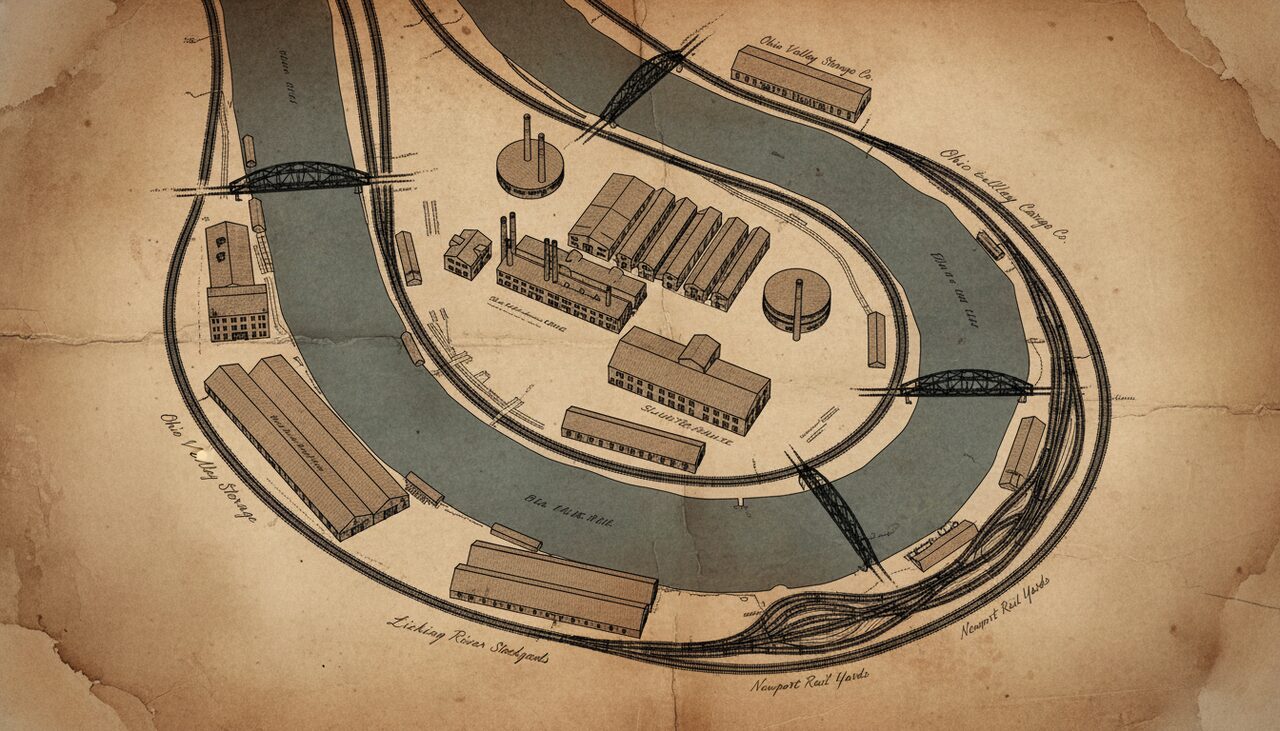
Wilder is a small city in Campbell County, on the Kentucky side of the Ohio River, directly across from Cincinnati. Licking Pike runs roughly parallel to the Licking River, which empties into the Ohio at Covington. In the nineteenth century, the corridor between the two rivers was useful in ways that benefited from limited oversight. Slaughterhouses needed water access and distance from residential complaints. Distilleries needed the same. By the early twentieth century the businesses had changed but the logic had not — gambling halls, speakeasies, and roadhouses settled along the pike for the same reason the slaughterhouses had: close enough to Cincinnati to draw customers, far enough from anyone who might object.
In 1896, a young woman named Pearl Bryan was murdered. She was 22 years old, from Greencastle, Indiana. Her body was found in a field near Fort Thomas, Kentucky, about five miles from the building on Licking Pike that this record keeps circling back to. Her head was never recovered. Two men, Scott Jackson and Alonzo Walling, both dental students, were convicted and hanged in 1897. On the gallows, both were asked to reveal the location of Bryan's head. Both refused. That refusal is the last documented fact in the case, and the door through which everything else walked in.
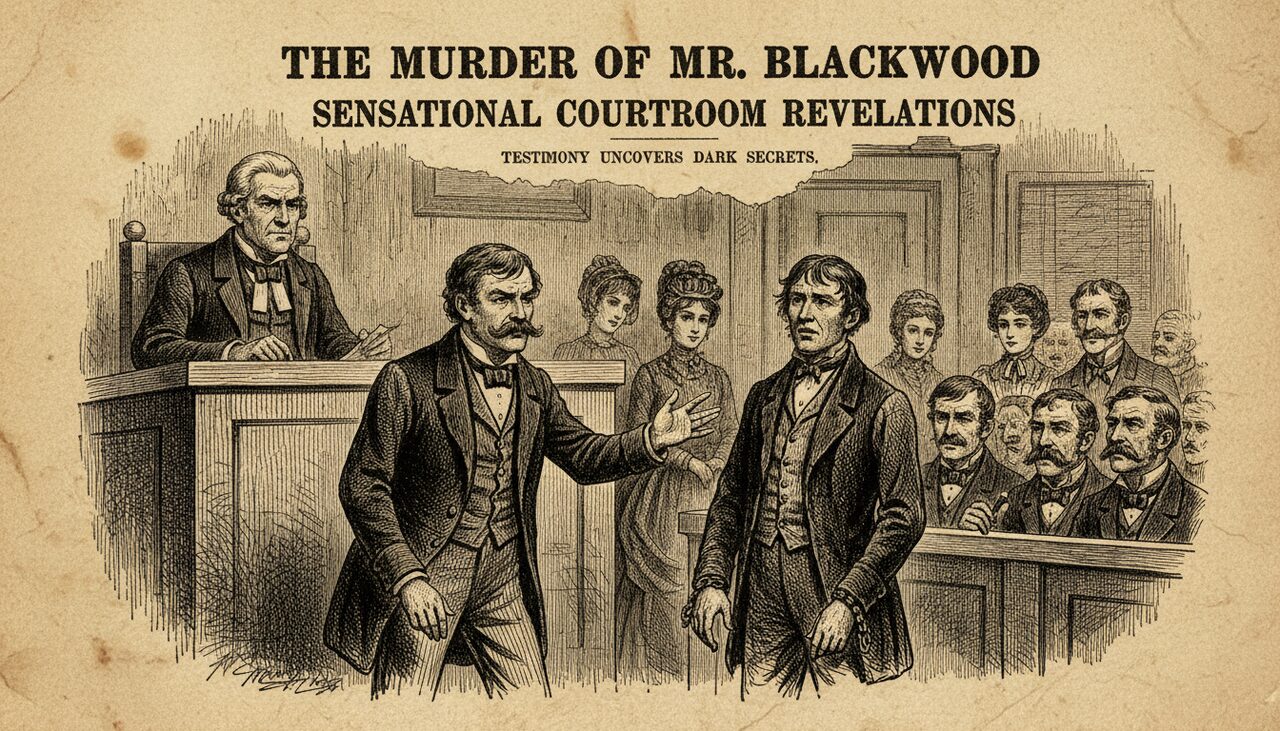
According to the legend that later attached itself to the building, Bryan's head was disposed of in the slaughterhouse's blood well. The historical evidence for this specific detail is thin. The well was not searched during the original investigation — at least, no such search appears in the surviving court records. The connection between the Bryan murder and the slaughterhouse building rests primarily on proximity, tradition, and the kind of narrative gravity that draws a severed head toward the most disturbing available location. Pearl Bryan was a real victim. That her head is in the well is not documented. Those are two different levels of evidence, and the legend has never been careful about the distinction.
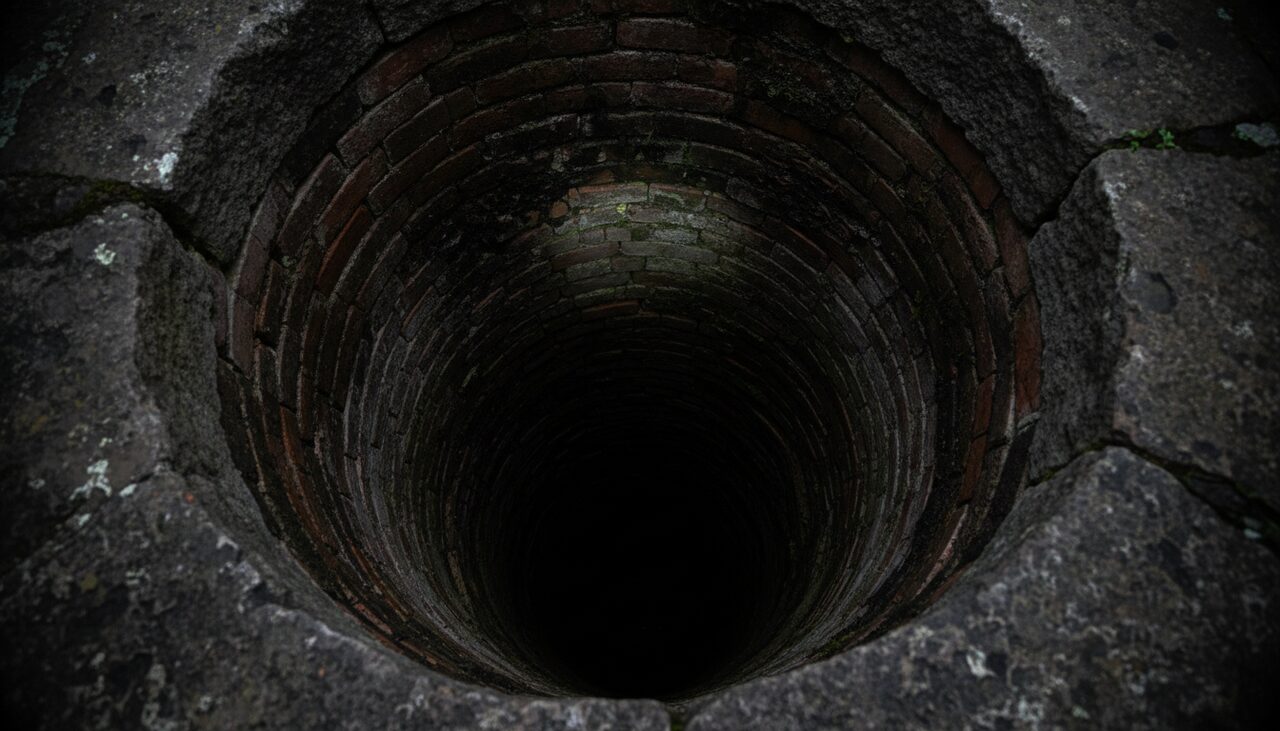
The records and the lore disagree about the building itself. The commonly repeated version says it was built in the 1850s as a slaughterhouse and meatpacking facility, with a basement well connected to tunnels that drained blood and offal into the Licking River. Some local historians have suggested it may have been a distillery instead. A surviving 1876 permit describes the drainage running the other direction. What is established is that a slaughterhouse stood several hundred feet to the south. The rest is in circulation, and once a well gets called a blood well, the correction never quite catches up.
Professional Tolerance
The building passed through several incarnations. In the 1920s and 1930s it operated as a roadhouse and casino, the kind of establishment that thrived in the Northern Kentucky vice corridor during Prohibition and after. Local lore connects it to organized crime, including elements of the Cleveland and Newport syndicates, and at least one shooting death is said to have occurred on the premises, though the documentation is inconsistent. By the 1950s it was a nightclub called the Latin Quarter. It closed. It reopened. It changed hands. By the late 1970s it was vacant and available.
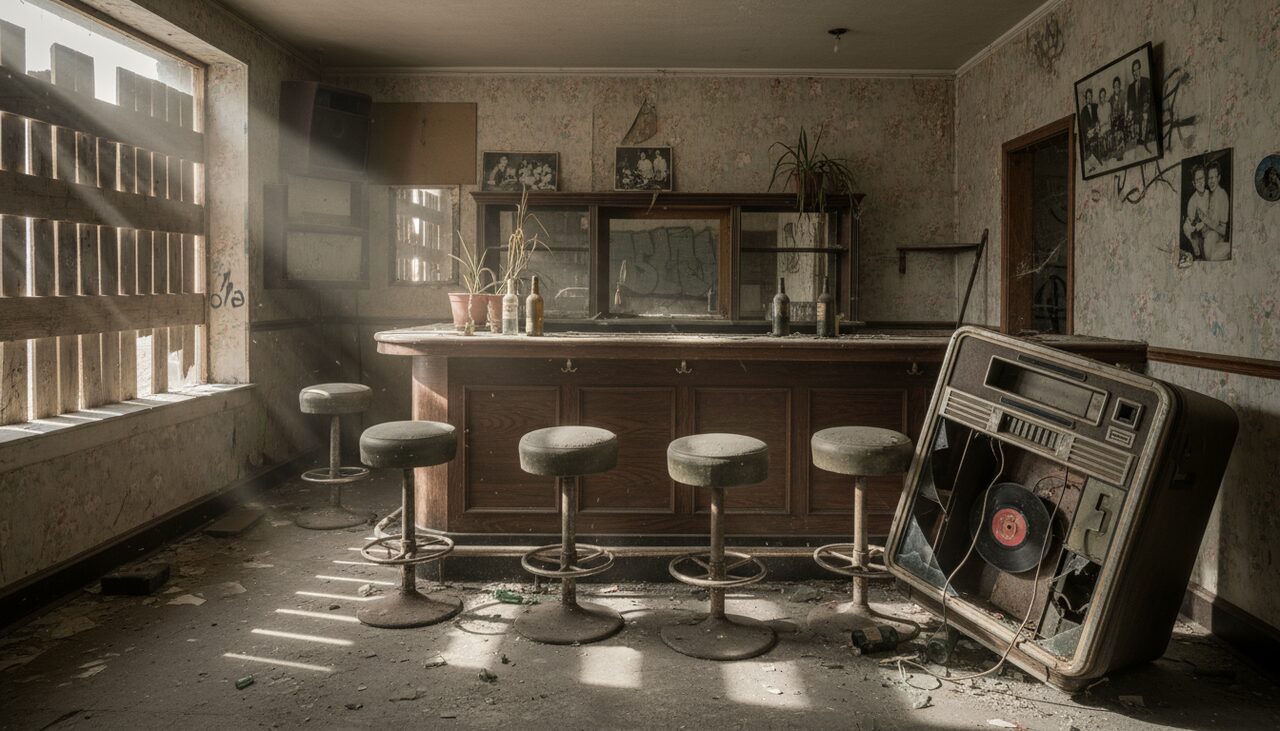
Bobby Mackey, a country musician from Lewis County in eastern Kentucky, had been performing around Cincinnati for years when he bought the building in 1978 and opened it as a honky-tonk and live music venue. He was, by all available accounts, aware of the building's history. He was not, by the same accounts, particularly concerned about it. He wanted a place to play music and sell beer. The building was affordable and it had a stage.
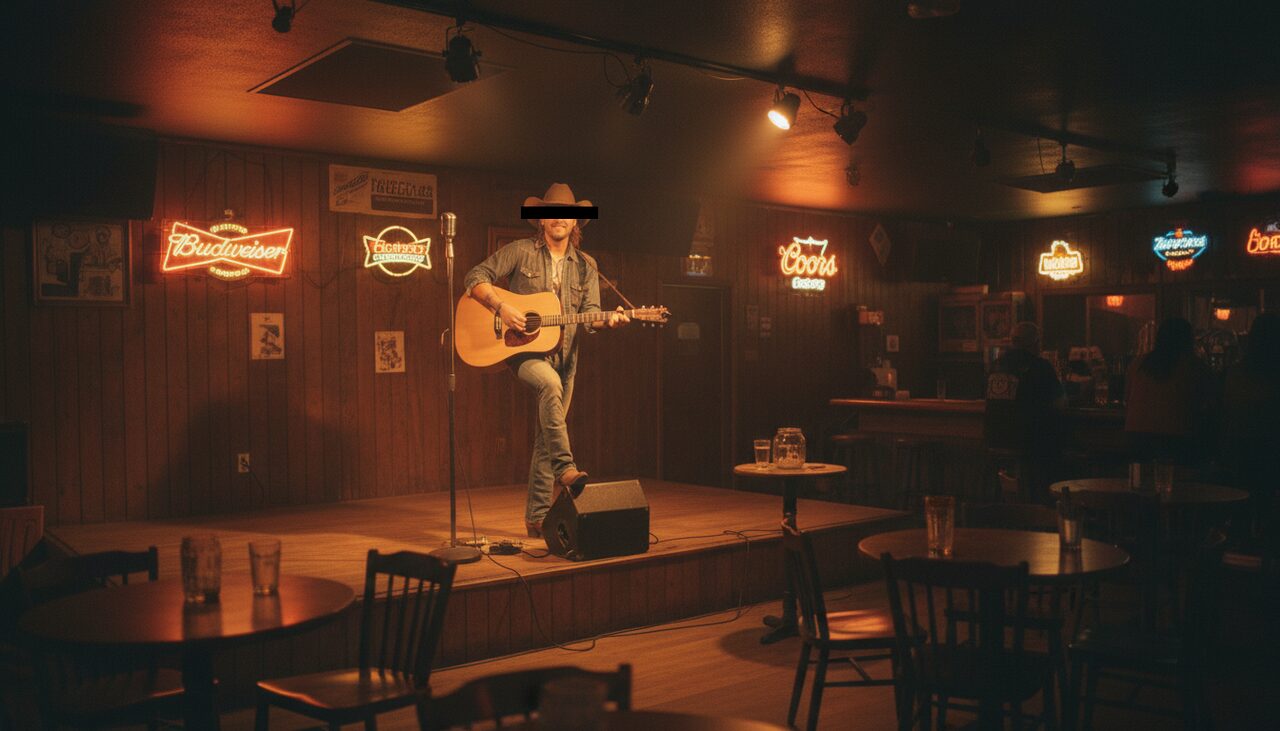
The trouble, if that's the right word, began shortly after opening.
Carl Lawson was the bar's first caretaker. He lived on the premises and maintained the building — swept floors, changed kegs, slept there because the job came with a room and he needed one. He did not start as a believer. The early reports were small. Lights he'd turned off were back on. Doors he'd locked were open. Footsteps in parts of the building where no one was scheduled to be. These are the kinds of things you explain away in an old building, and for a while Lawson explained them away. Then, by his account, he stopped being able to. He reported years of escalating encounters: voices, physical contact, a sense of being watched, and eventually episodes he described as possession-like states — blackouts followed by behavior he couldn't remember.
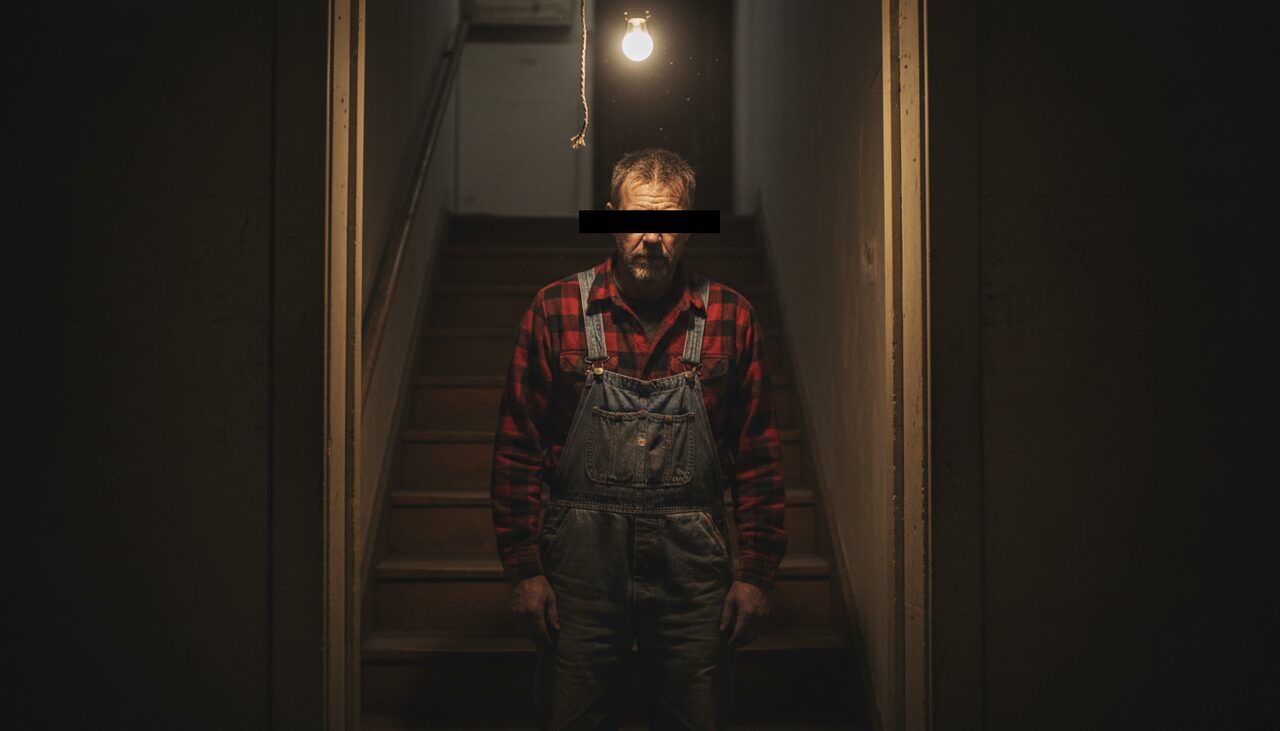
The exorcism deserves elaboration. Lawson contacted Reverend Glenn Cole after what he described as a complete loss of control over his own actions — finding himself in rooms he didn't remember walking to, saying things in a voice he didn't recognize. Cole agreed to perform the ritual in the basement, near the well. It began in the evening and lasted six hours. During the session, Cole reported that Lawson spoke in voices he attributed to multiple entities, including one that identified itself as Johanna, a name that would recur in later reports. At one point, a section of wall reportedly caught fire with no identifiable ignition source. The session ended when Lawson — or whatever Cole believed was operating Lawson — lunged forward and wrapped his hands around the minister's throat. Cole continued his ministry. Lawson moved out.
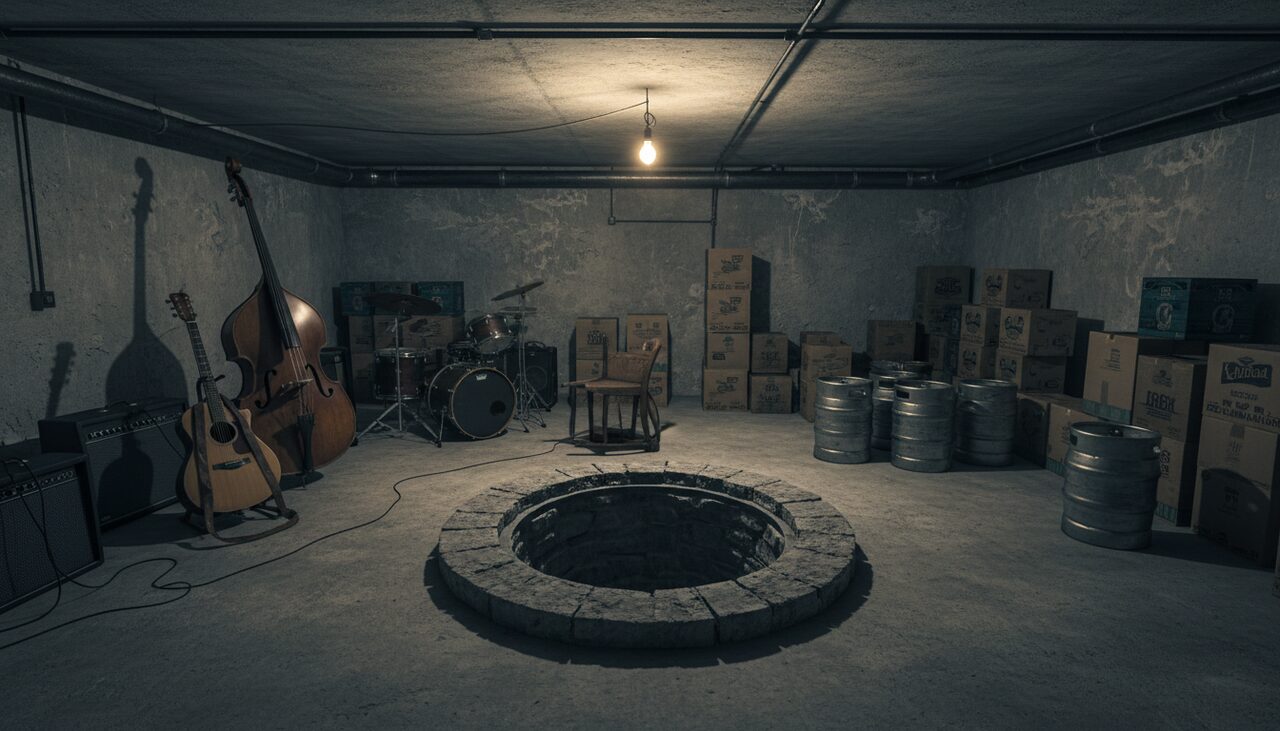
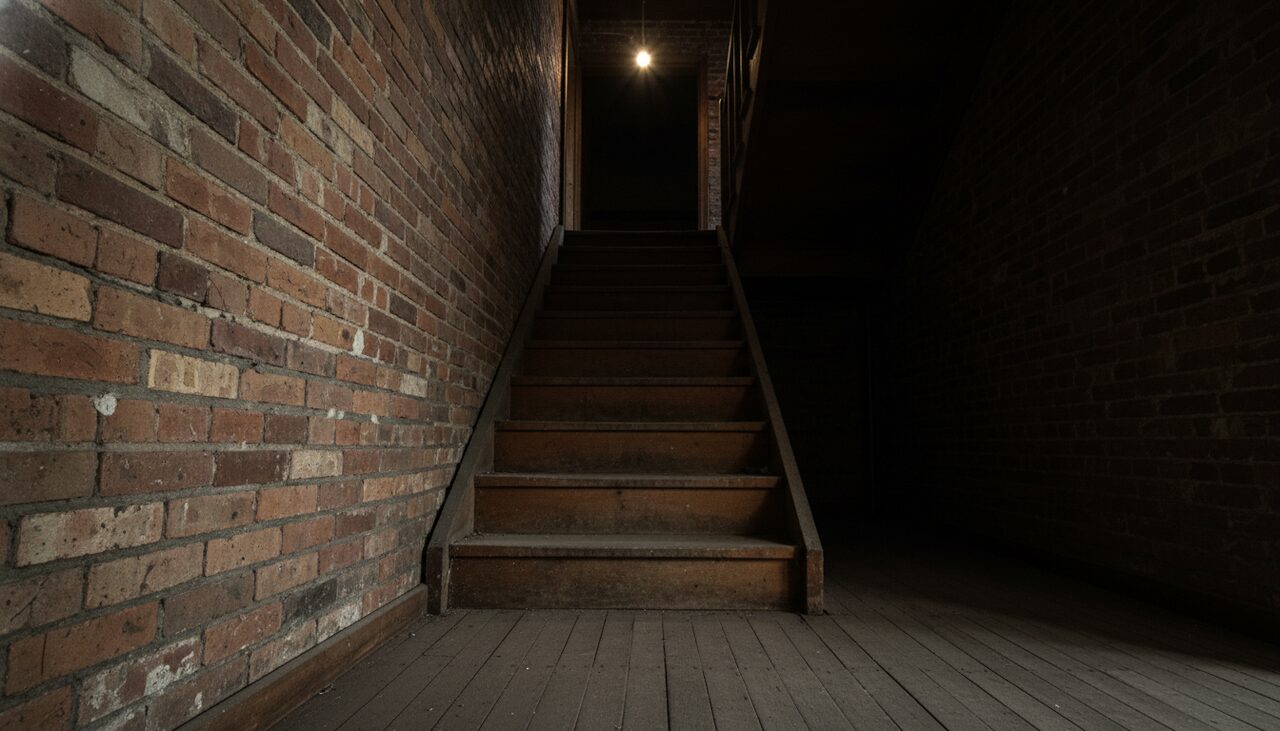
Janet Mackey's account is worth noting separately. She was pregnant during some of the reported incidents. She described being pushed down the stairs near the basement, and a persistent presence she connected to the entity employees called Johanna — said to be a woman who died in the building during its roadhouse era. She described the encounters as specifically hostile toward her, as opposed to the more generalized aggression staff reported. She eventually refused to enter the building.
Bobby Mackey's own position has been, throughout, a study in practical coexistence. He doesn't claim the bar is haunted. He also doesn't claim it isn't. He posted the sign. He kept the doors open. When asked about the paranormal activity, his responses tend toward the laconic. A working musician's relationship with the supernatural is, apparently, one of professional tolerance. The ghosts are set dressing. The set needs honky-tonk music.
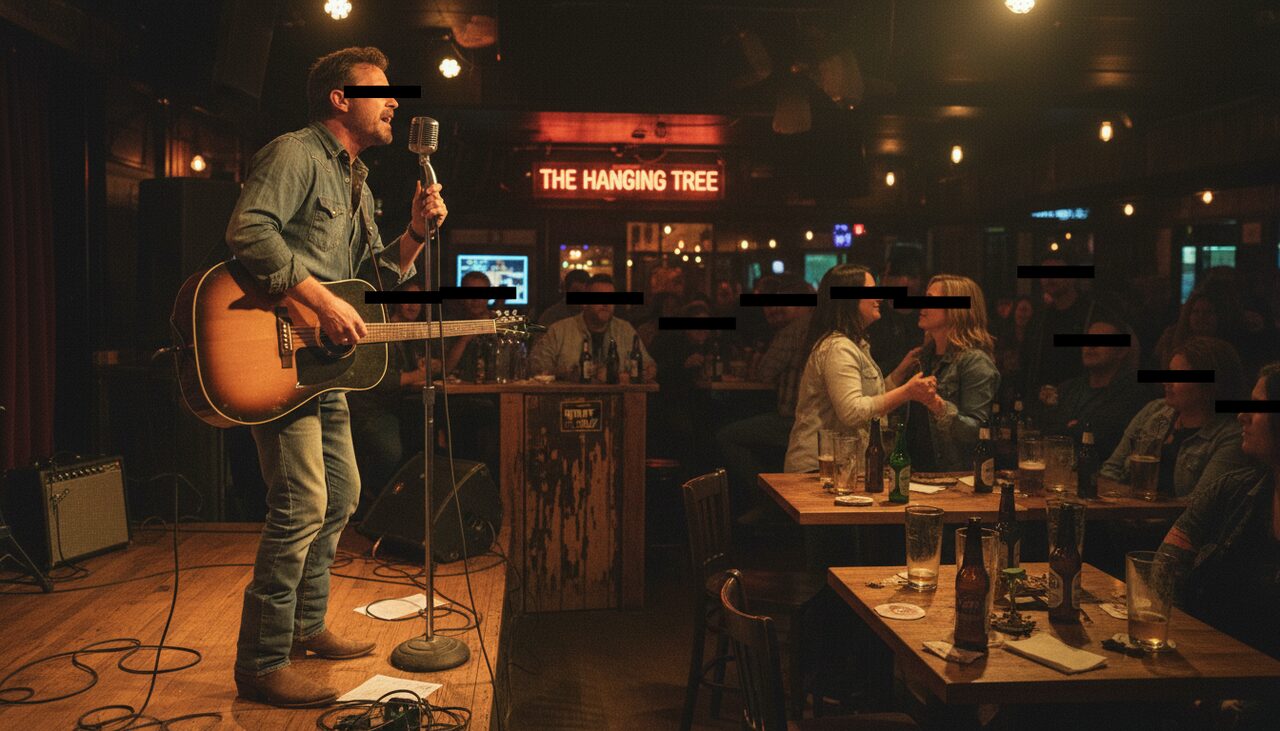
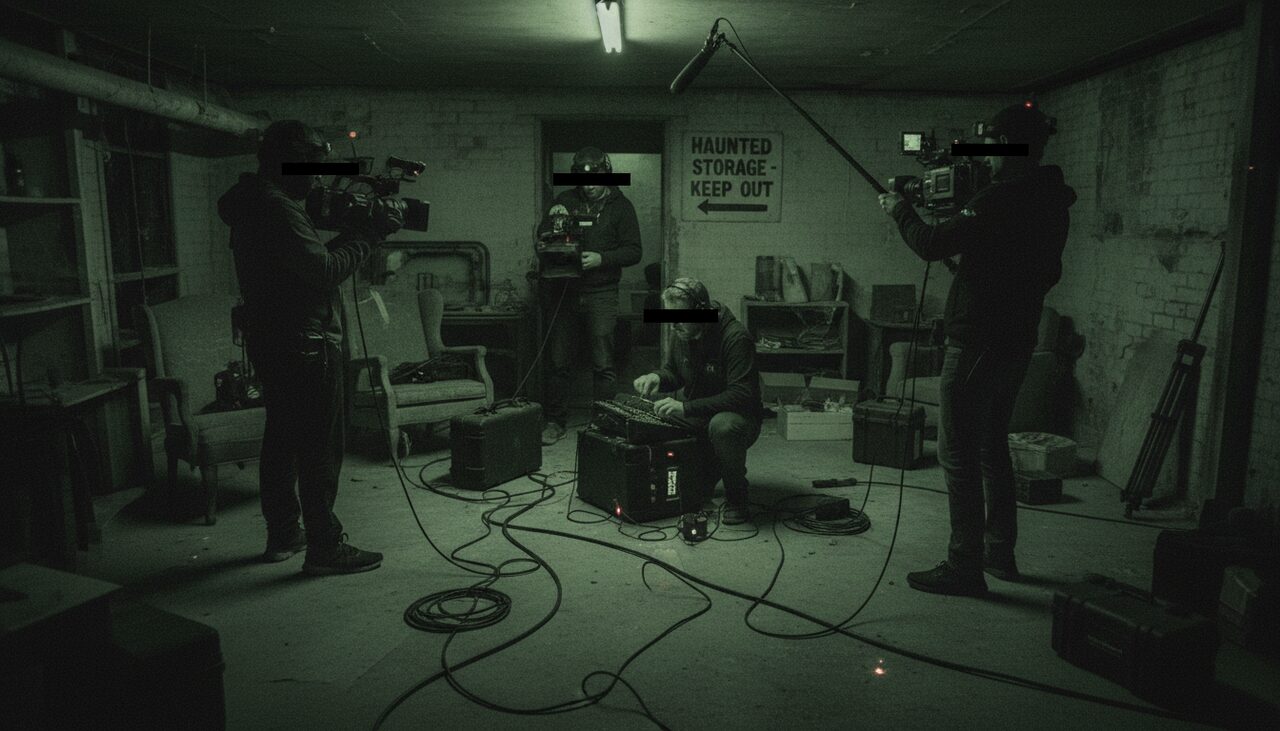
The bar has been featured on numerous paranormal television programs, including Ghost Adventures, which used Bobby Mackey's as the location for its series premiere in 2008. Investigators have reported EVP recordings near the well, cold spots concentrated in the basement, and equipment malfunctions that skeptics attribute to the building's aging electrical system. The evidence is, as always, a matter of interpretation.
Reasonable Zoning
The skeptical view is straightforward. The building is old. It has a dark history that lends itself to atmosphere and suggestion. Lawson may have been experiencing psychological or substance-related episodes. Employees told they're working in a haunted building may interpret ordinary stimuli — drafts, settling, electrical fluctuation — as paranormal. And a portal-to-hell narrative that generates tourism revenue and television appearances is exactly the kind of compelling story that tends to persist. Old buildings settle. Basements are creepy. The power of suggestion is well-documented. None of which explains the choking sensations, short of a failure to run a dehumidifier.
The counterargument is durational. Bobby Mackey's reported activity from 1978 onward — nearly fifty years. Employee turnover in a bar is high; the people reporting incidents change. The descriptions have not. A bartender hired in 2015, who'd never heard the building's history, reported the same sensation of hands on her throat in the same basement corner as a caretaker in 1981. Suggestion requires a source. Suggestible people require a story to be suggestible about. What the skeptical explanation doesn't fully resolve is how new employees, with no prior exposure to the narrative, keep arriving at the same specific complaint. Nobody's getting punched. Nobody's hearing music. They're getting choked. In the basement. Near the well.
The Arrangement
Bobby Mackey's Music World closed in March 2024. On December 10, 2024, the building was demolished. Bobby Mackey watched. So did the cameras, and so did the paranormal community.
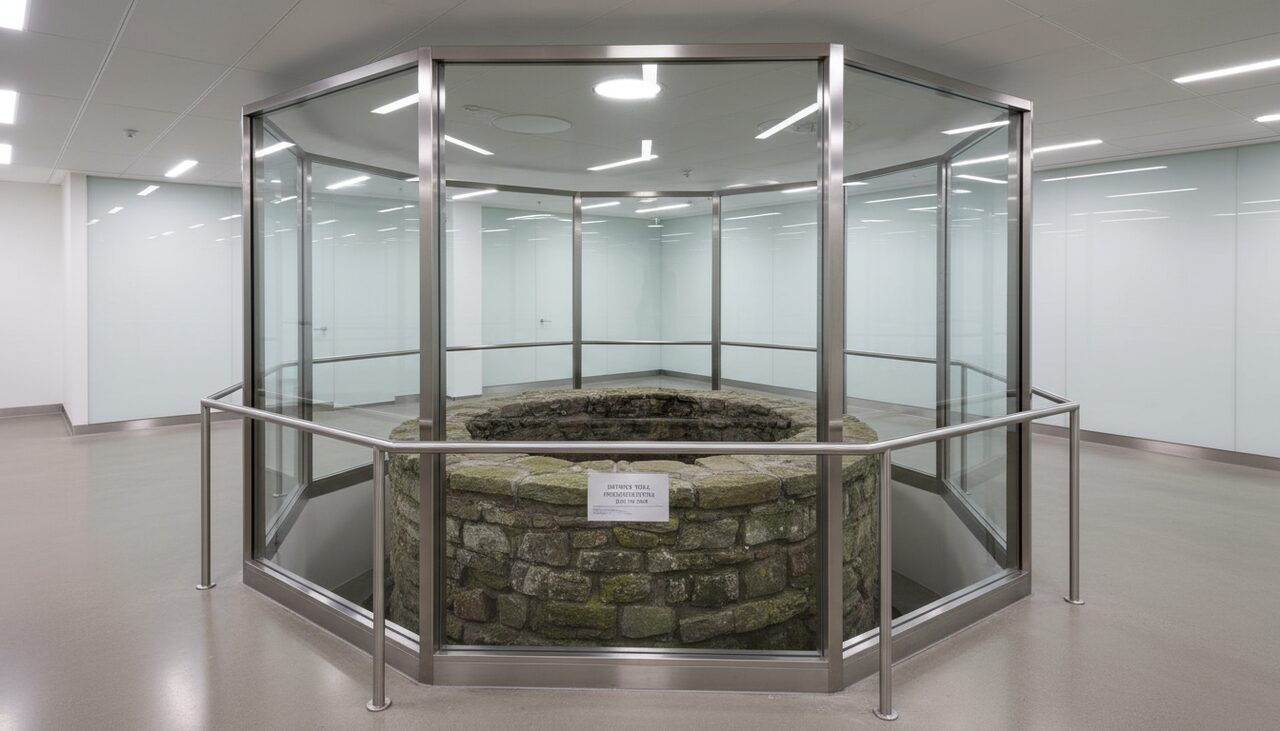
The building is gone. The stage is gone. The sign disclaiming liability for ghosts is, presumably, gone. The well is not gone. They pulled it out of the rubble and set it aside the way you'd save a family heirloom from a house fire. It will reportedly be displayed behind plexiglass in the new building — an aquarium, more or less, except that instead of a fish it contains an alleged portal to hell.
Bobby Mackey moved operations to a former biker bar in Florence, Kentucky, and still plays on Saturdays. He has admitted he was initially embarrassed by the haunting reputation, and then realized people loved it and it was good for business. The new building is planned to include ghost tours as a feature. As of the most recent verifiable reporting, the replacement is not confirmed complete; the business continues from the temporary Florence address. Whatever was reportedly in the basement at 44 Licking Pike — owl-equivalent, suggestion, syndicate blood, folklore with a very specific address, or a woman named Johanna who never appeared on a single permit — the arrangement appears to allow it to relocate. The bar got a new building. The well got a display case.
Sources & Case References
- FOX19 — "'Most haunted nightclub in America' demolished, plans for new building" (Dec. 10, 2024)
- FOX19 — "Bobby Mackey reflects on historic music venue's original Wilder location" (Mar. 22, 2024)
- WLWT — "Original Bobby Mackey's building, home to haunted history, demolished" (2024)
- WLWT — "Bobby Mackey's, bar filled with haunted history, relocating to Florence" (2024)
- LINK nky — "Kentucky Haunts, Murder and Mayhem" (Oct. 8, 2024), for Pearl Bryan context