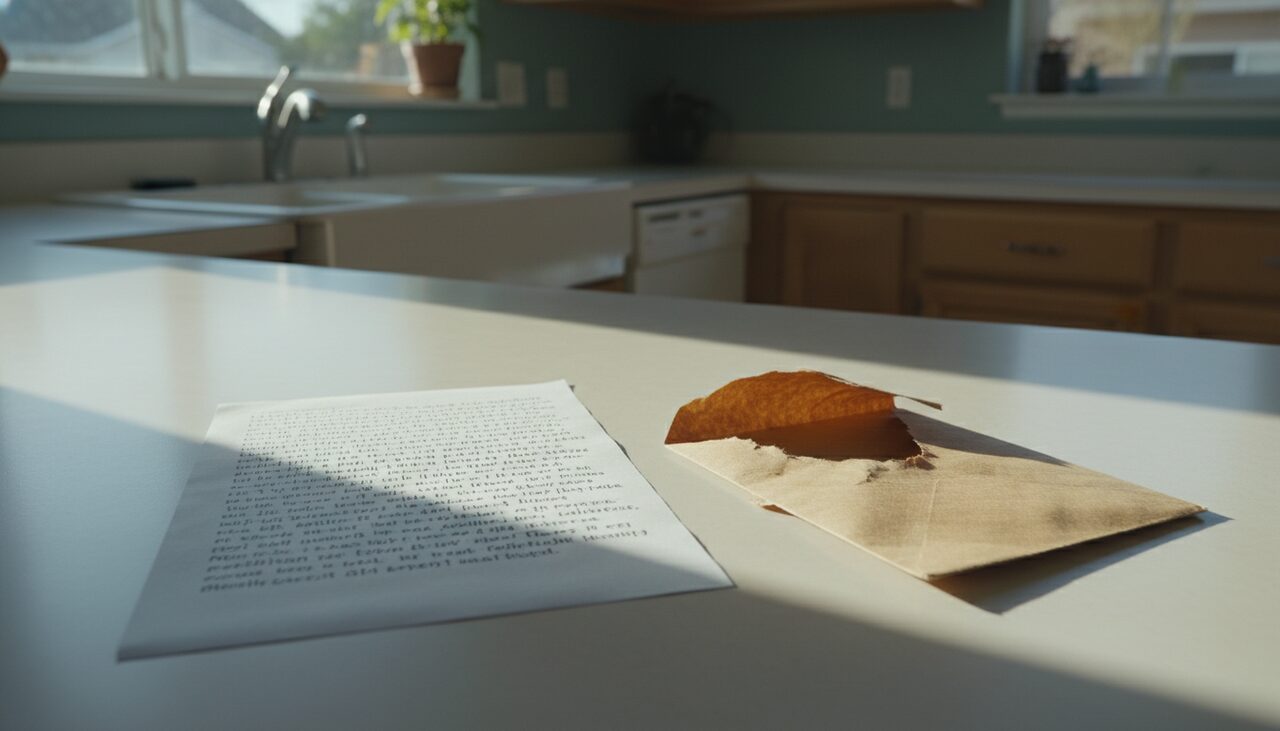
Three days after closing on their new home — a six-bedroom Dutch Colonial at 657 Boulevard in Westfield, New Jersey — Derek and Maria Broaddus received a letter. It was addressed to "The New Owner." It opened with a brief history of the house. Then it got uncomfortably specific.
The writer claimed to have been "put in charge of watching" the house for decades. It referenced the Broadduses' three children — not by name, but by age. It asked whether they had found "what is in the walls yet." It described the house as having "young blood" now. It was signed "The Watcher." No proper name. No return address.
More letters followed. The Broadduses tried to sell the house. They couldn't. The writer was never identified.
Westfield
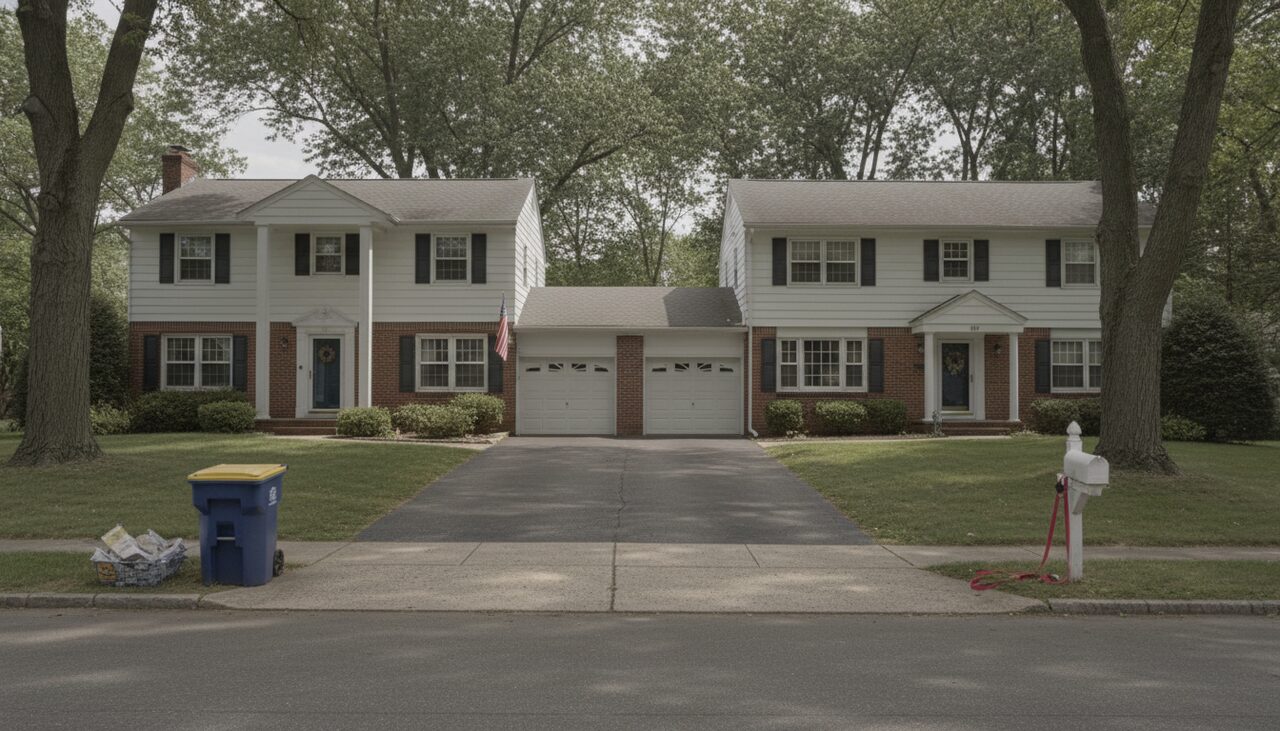
Westfield is the kind of suburb that exists specifically to be unremarkable in a comfortable way. It sits about twenty-five miles west of Manhattan. The median household income hovers near two hundred thousand dollars. The downtown has a Trader Joe's and several restaurants that describe themselves as farm-to-table. The public schools rank consistently among the best in the state. It is, by every available metric, a safe place to raise children.
It is also a town built on proximity. The lots are generous but not vast. The houses sit close enough that you can hear a neighbor's lawnmower from your kitchen, close enough that you learn the rhythm of someone else's weekday mornings without trying. People wave. People notice when the recycling bins stay out past Tuesday.
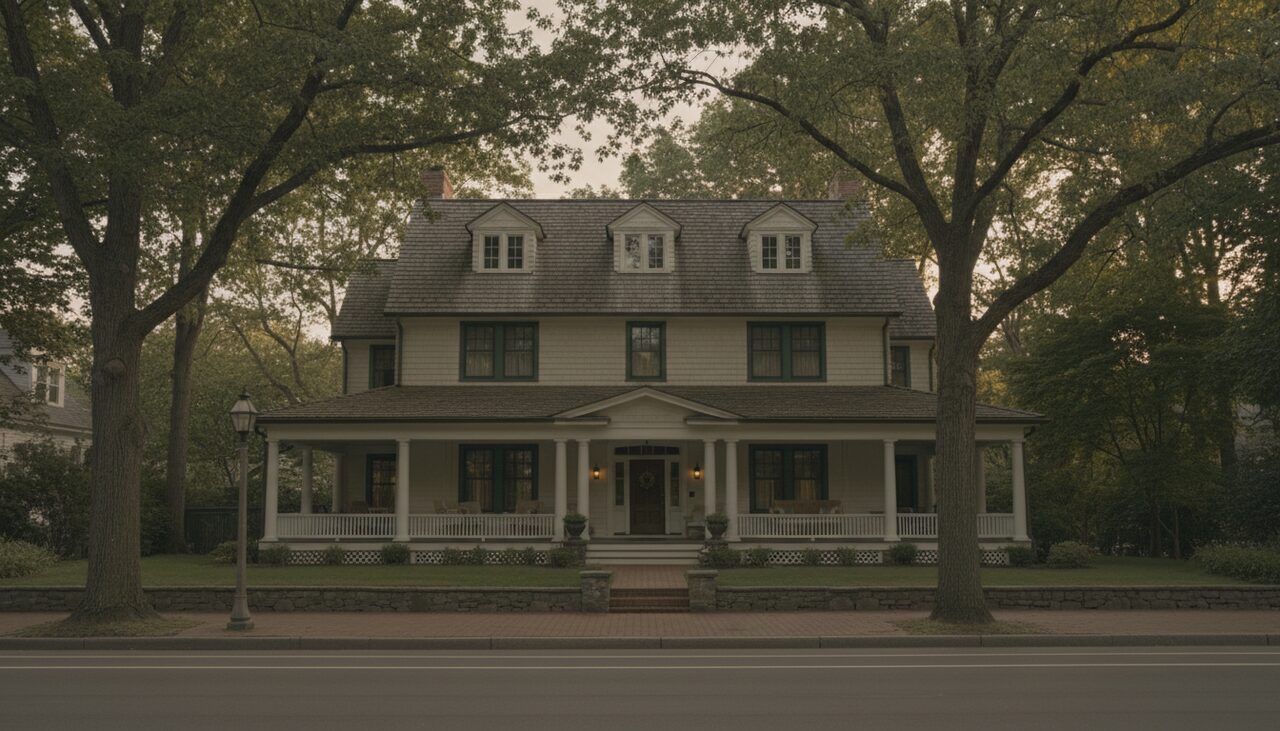
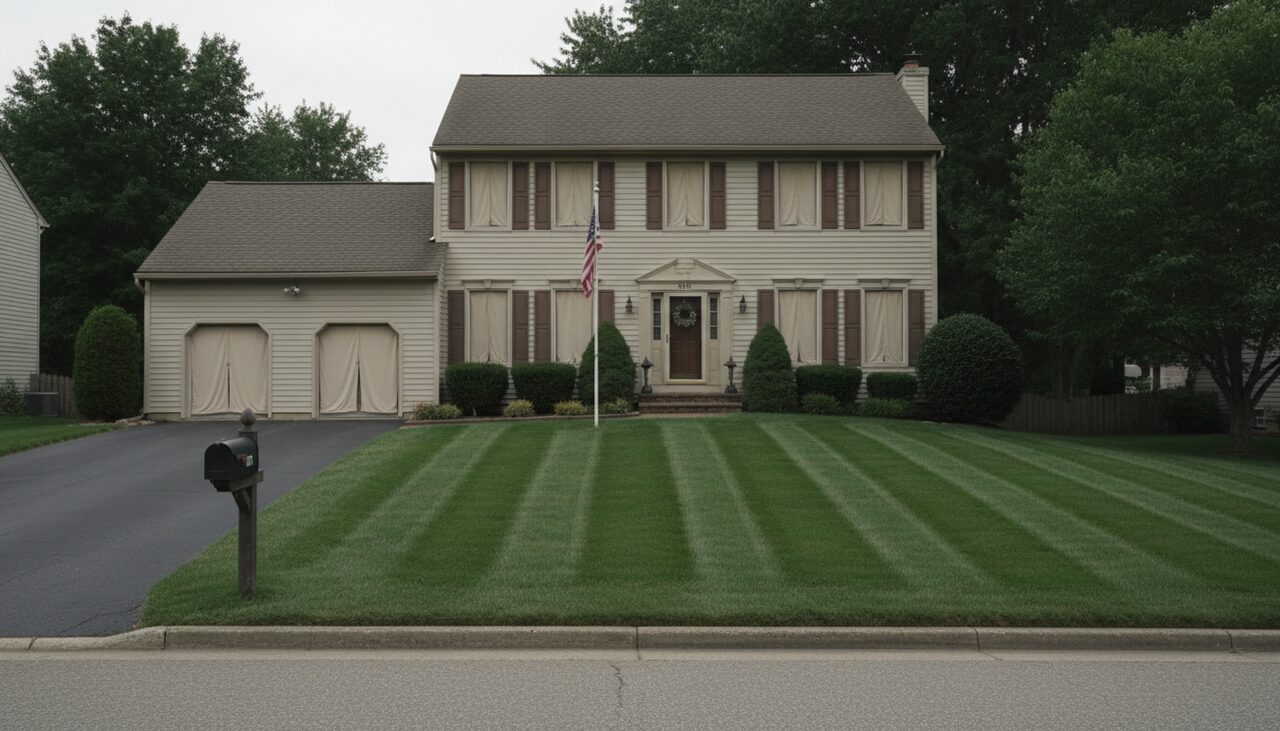
657 Boulevard is a 1905 Dutch Colonial Revival — nearly four thousand square feet, wraparound porch, set back from the road on a quiet residential street. It is the kind of house that appears in real estate listings with the phrase "move-in ready" and photographs that emphasize natural light.
This matters because the letters never contained information that was, strictly speaking, difficult to obtain. A new family moving in is observed — warmly, ordinarily, in the way neighbors observe things. Someone notes the moving truck. Someone brings a casserole. Someone counts the kids. The Watcher's letters contained the kind of information any attentive neighbor already had.
The Broadduses bought the house in June 2014 from John and Andrea Woods, who had owned it for more than two decades. The Woods had received a letter from "The Watcher" just before closing. According to the Broadduses, the Woods didn't disclose it. The Woods later said they hadn't considered it worth mentioning.

Derek was in insurance. Maria was at home with the kids. They had spent years looking for the right house in Westfield, and this was it. They never moved in.
The Letters
The first letter arrived in early June 2014, mailed to the house itself rather than a forwarding address. The writer knew the sale had closed. It positioned the writer as a generational custodian — someone who had watched the house for decades, who knew its rooms, who knew the previous owners, and who already knew about the children.

The language of the letters is worth sitting with. "Young blood" is not a phrase that appears in any standard threat-assessment framework. It's theatrical, borrowing from gothic fiction and horror films and something older than either. The phrase "what is in the walls" is similarly calibrated — concrete enough to be frightening, vague enough to be unanswerable. You can't check whether there's something in the walls of a 109-year-old house and come away reassured. There's always something in the walls. Pipes. Wiring. The Watcher didn't need to hide anything in the house. The question alone was the weapon.
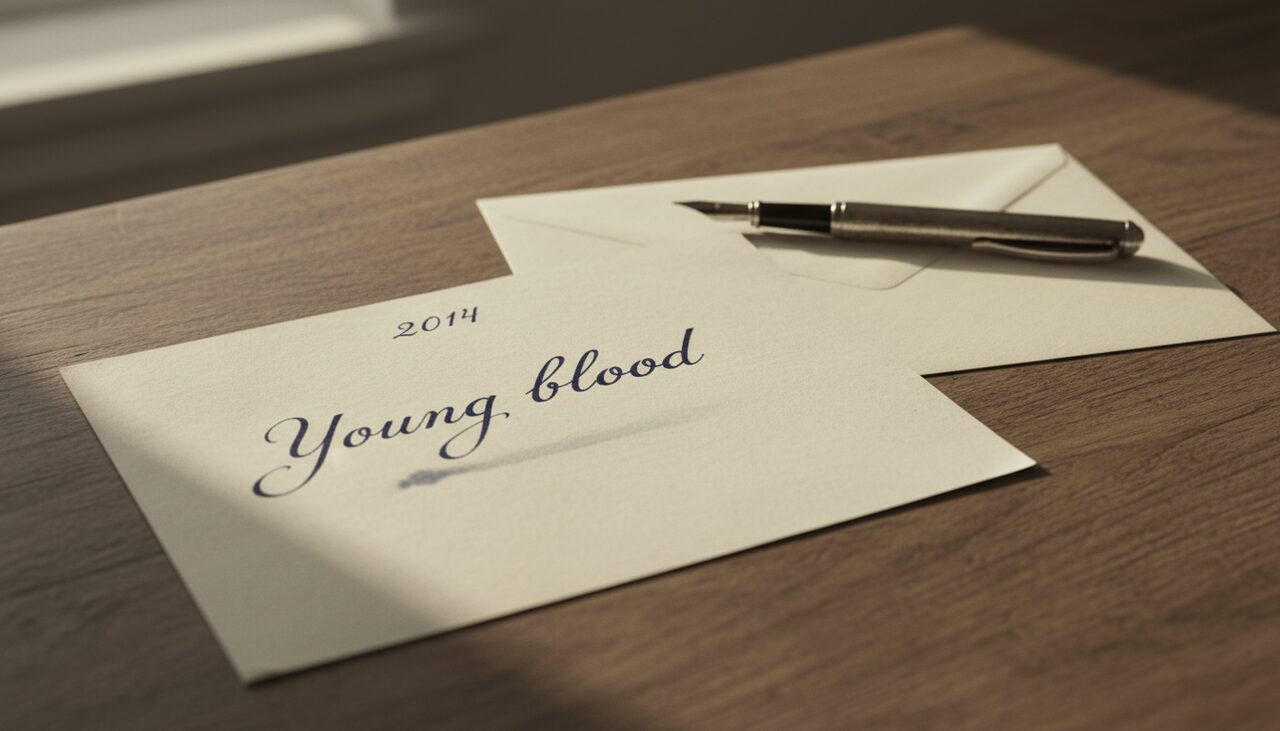
The second letter arrived within weeks and was more specific. It described the Broadduses' movements — when they visited, what they did there, which rooms they entered. According to the family's account, it stated: "I see you putting up curtains. I watch you from the house across the way." It asked again about the children.
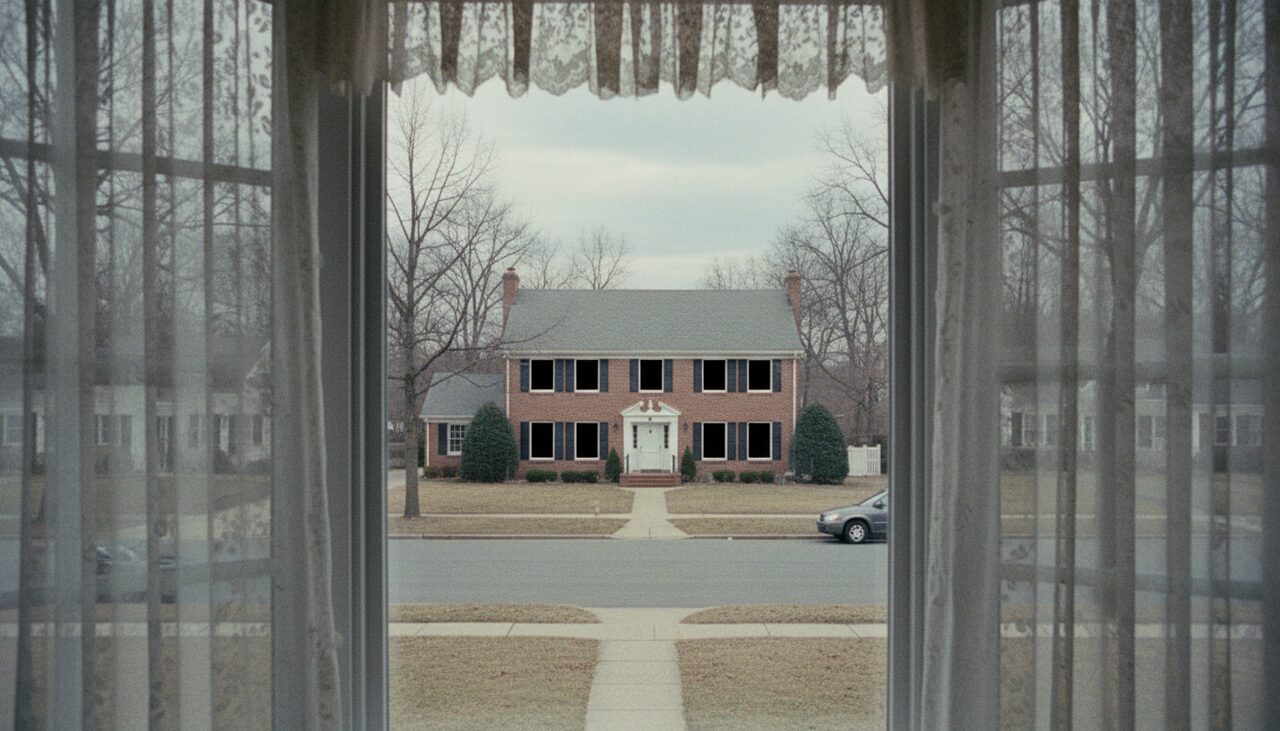
The third letter went further still. It described the interior renovations the Broadduses had begun and referenced the workers who had been at the house. The Broadduses later identified it as the point at which they stopped going to the property entirely: it referred to the children playing outside in a way that made clear the writer had been watching them.
The emotional math is straightforward and brutal. The Broadduses had a mortgage payment on a house they couldn't occupy and children who had been told they were getting a new home and a big yard — and then told they weren't, for reasons no parent wants to explain to a child under ten. They paid for lawn maintenance and utilities on a property that existed, for them, only as a source of anxiety. Derek Broaddus reportedly lost weight and had trouble sleeping. Maria Broaddus described the experience as consuming their family. They owned a house someone else had claimed — not through deed or title, but through the simple assertion that they were watching.
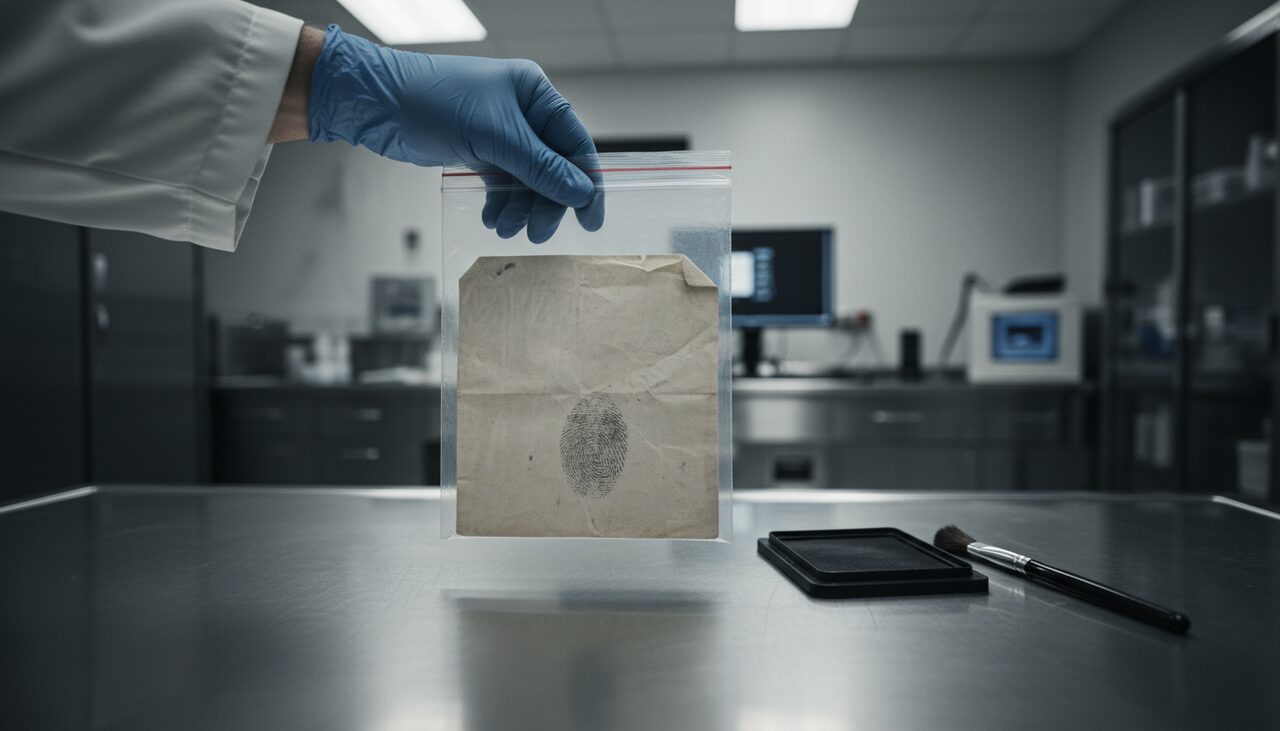
They contacted the Westfield Police Department. The letters were analyzed for fingerprints and DNA; nothing usable was recovered. Handwriting analysis was conducted. Neighbors were interviewed. The police installed surveillance cameras, and no letters arrived while the cameras were active. When the cameras came down, the letters came back.
The Broadduses also went to civil court, suing the Woods for failing to disclose the earlier letter before the sale. The case was dismissed; the court found they hadn't sufficiently shown the Woods' knowledge rose to a material omission under New Jersey law. A letter from a self-described generational stalker who referenced their children, in other words, didn't quite clear the bar.
When the Broadduses tried to sell, New Jersey disclosure law required them to tell prospective buyers about the letters. Every prospective buyer walked away. They tried to subdivide the lot and build new homes — reasoning that demolishing the house might end the letters and recoup the investment — and the Westfield planning board denied the application after neighbors objected. Some of those neighbors, the Broadduses noted, had been among the people investigated as possible suspects.
They rented the house out. A fourth letter arrived while tenants were living there. It was addressed to the Broadduses.
In 2019, investigators reportedly looked into a former neighbor, Michael Langford, whose family had lived next door for decades. According to reporting at the time, his proximity, his access to neighborhood information, and certain circumstantial details were said to align with the letters. No charges were filed. Langford denied any involvement, and the case against him was never made publicly. He has not been charged with anything.
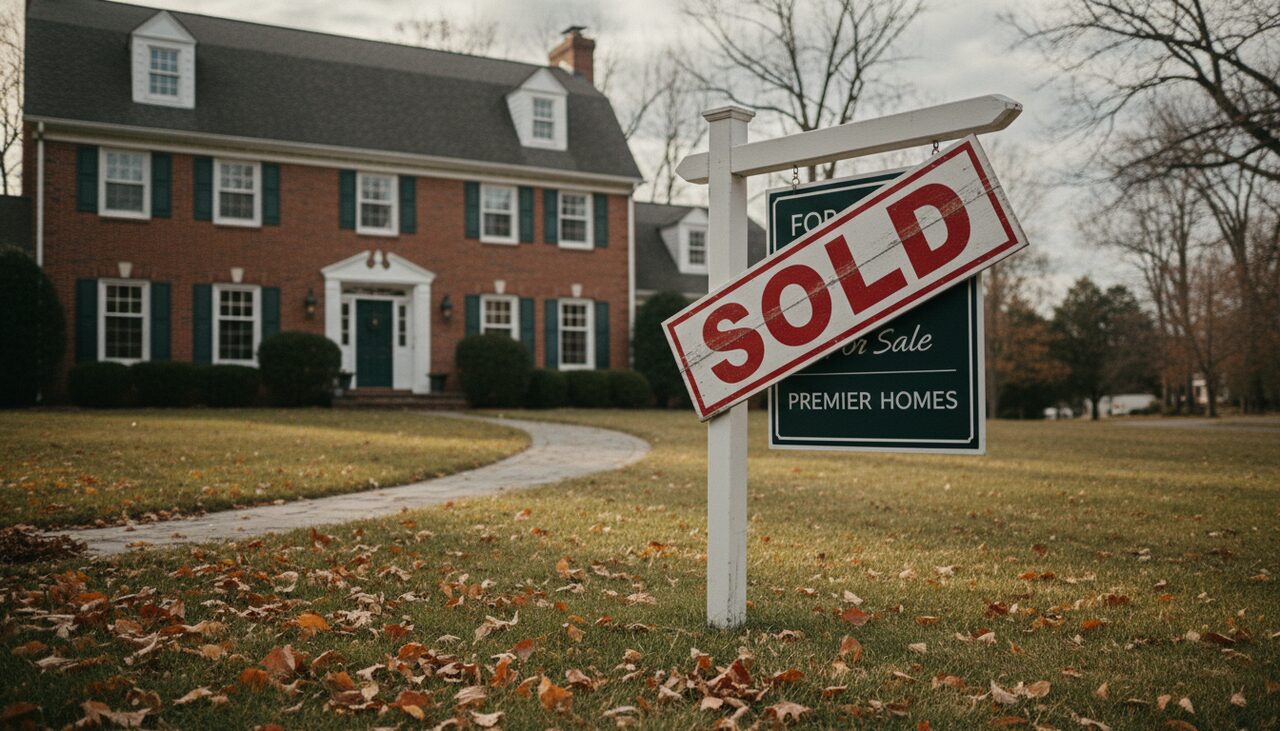
The Broadduses sold the house in 2019 for approximately $959,000 — a loss of nearly $400,000 from their purchase price, before years of mortgage payments, legal fees, and renovation costs on a home they never lived in.
Every Institution Performed Its Function
The rational explanation is straightforward: someone who lived near 657 Boulevard, likely for a long time, wrote the letters. The writer had visual access to the property, knowledge of the neighborhood's history, and an awareness of the sale. "What is in the walls" could be theatrical embellishment. "The Watcher" could be the invention of someone territorial, someone unwell, or someone with a grudge. This explanation is almost certainly correct. There is nothing in the letters that requires a supernatural mechanism.
What makes the case interesting — and what made it a New York Magazine investigation, a Netflix series, and a national news story — is the totality of the failure. Every institution involved performed its function. None of them produced a result.
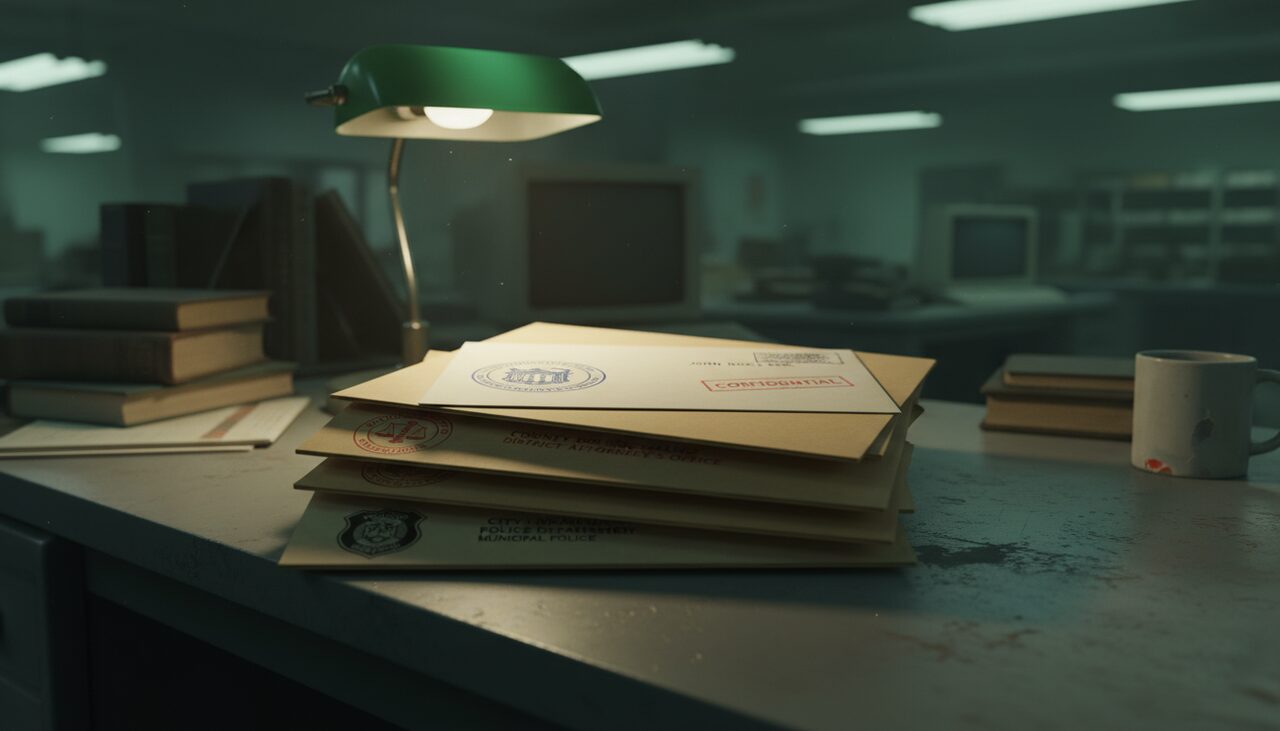
The letters were mailed through the United States Postal Service, which makes mail-related tampering a potential federal matter. The Westfield police and the Union County Prosecutor's Office investigated. The Broadduses hired former FBI agents as private consultants. Handwriting was analyzed. DNA was tested. And nothing happened. No arrest. No charges. No resolution.
New Jersey's seller-disclosure law was designed for foundation cracks and mold — tangible problems with tangible remedies. A letter from someone calling themselves "The Watcher" fits awkwardly into that framework. It isn't a defect in the property. It's a defect in the situation surrounding the property. The law turned out to be better equipped to handle a leaking roof than a stalker with stationery.
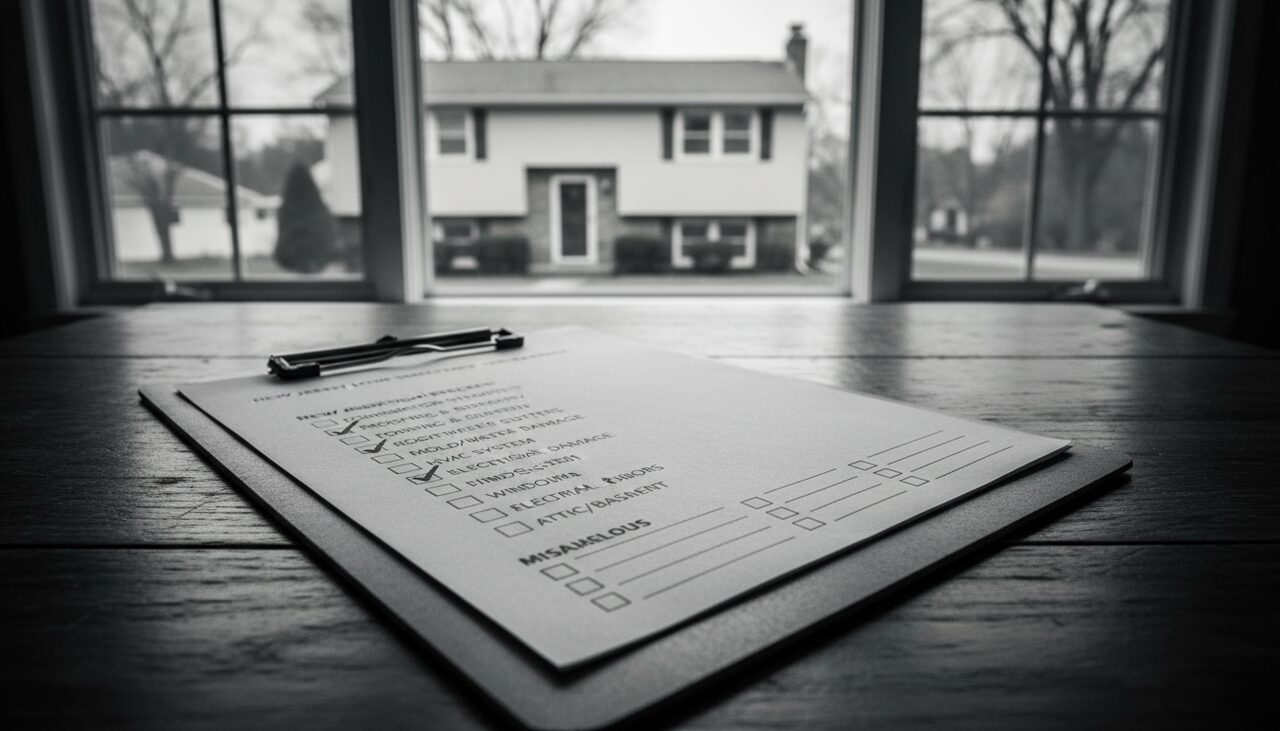
Stalking by mail is a crime in New Jersey. The relevant statute requires a course of conduct that would cause a reasonable person to fear for their safety. The Watcher's letters were frightening, specific, and repeated — and they never contained a direct threat. No promise of violence. No explicit statement of intent to harm. They occupied a space prosecutors reportedly found difficult to act on: menacing enough to upend a family's life, carefully worded enough to remain just inside the boundary of what the law could tolerate. Whether that calibration was deliberate or incidental is, like most things in this case, unknown.
The real horror is more bureaucratic, as it usually is. Someone watched a family, told them they were being watched, described their children, and did this repeatedly over years — and faced no consequences of any kind.
In 2022, Netflix released The Watcher, a seven-episode series created by Ryan Murphy and Ian Brennan, starring Bobby Cannavale and Naomi Watts as fictionalized versions of the Broadduses. The series invented subplots, added characters, and proposed multiple possible solutions, none corresponding to the actual investigation. It got the anxiety right. It got the house approximately right. It got everything else wrong on purpose, which is what dramatizations do. Tens of millions of people watched it and came away believing they understood the case. They did not.

The Closing
657 Boulevard still stands. It was sold again, and the new owners, as far as public records indicate, have not reported receiving letters. The Broadduses lost the house, the money, and several years. They gained a Netflix series, which is a particular kind of compensation.
By their own account, they spent five years in a kind of limbo — owning a home they were afraid to enter, unable to sell it, unable to demolish it, unable to get the legal system to resolve the underlying problem. They eventually moved on. People do. The question the case leaves behind isn't really about who wrote the letters. It's about what you do when the answer is: nobody knows, nobody's going to find out, and the system worked exactly as it was supposed to.
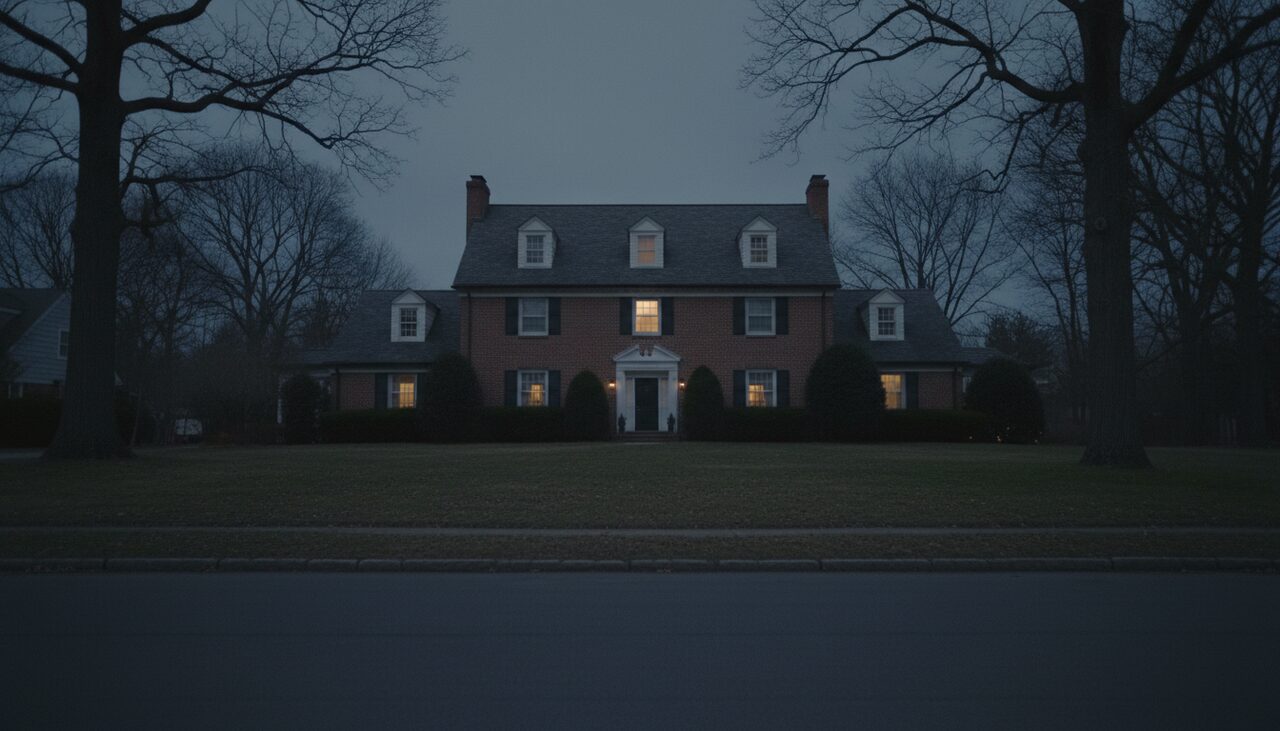
The Watcher was never identified, never charged, never caught. The letters stopped — or at least, no new ones have been made public. As of this writing, the case has not been solved.
Sources & Case References
- New York Magazine — "The Haunting of a Dream House" by Reeves Wiedeman (2018)
- CBS News — "New Jersey home stalked by 'The Watcher' sells at a loss after years of torment" (2019)
- CBS News — "Terrifying letters force N.J. family to flee new house" (2015)
- CBS New York — "Board Rejects Demolition Of 'The Watcher' House" (2017)
- Vanity Fair — "The Watcher Reporter on Netflix's New True-Crime Series and the Creepy Case's Current Status" (2022)