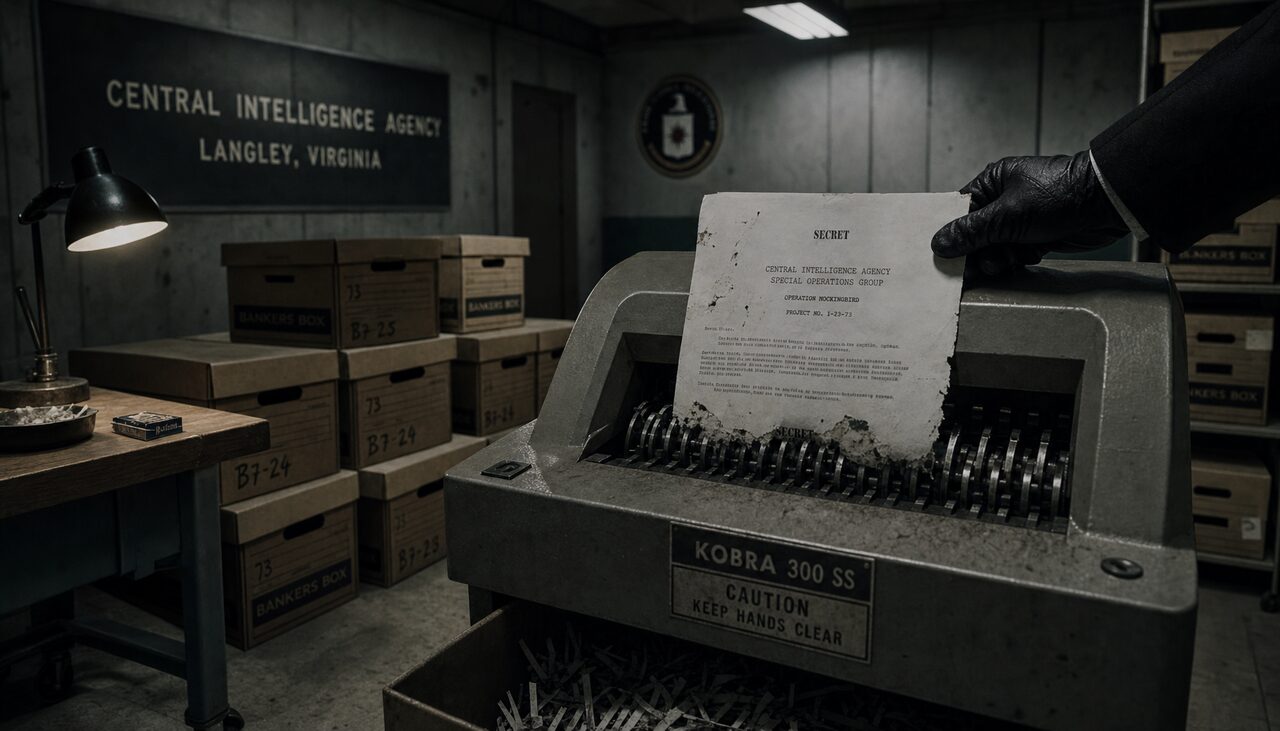
In 1973, CIA Director Richard Helms ordered the destruction of all files related to a program called MKUltra. The order was carried out. Boxes of documents — the operational records of twenty years of research into mind control, behavioral modification, and chemical interrogation — were fed into shredders at CIA headquarters in Langley, Virginia.
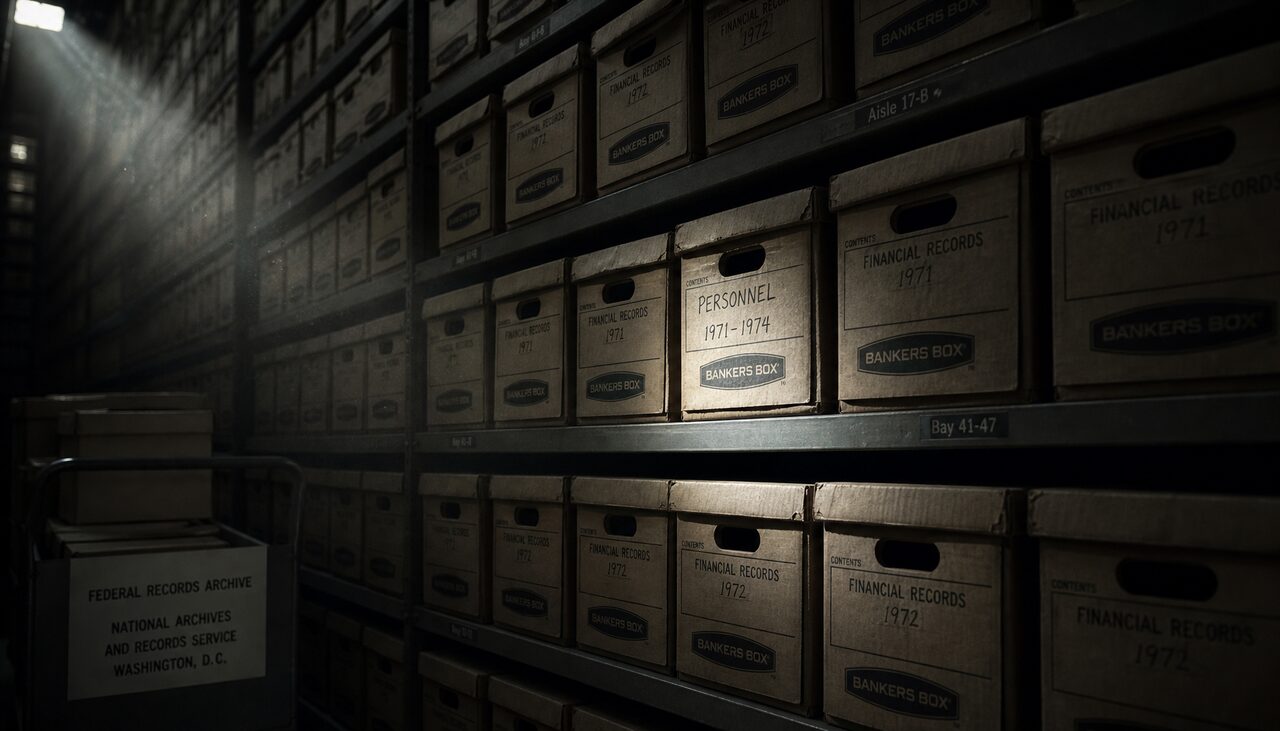
About twenty thousand documents survived. They survived because someone — a clerk, an archivist, a person whose name was never recorded — filed them in the wrong place.
They sat in a financial records archive — the one place the man who ordered the records destroyed would never think to look — until a Freedom of Information Act request in 1977 pulled them into daylight. The Central Intelligence Agency kept this secret for twenty years. It could not, in the end, keep it in the right drawer. What surfaced wasn't the conspiracy theory. It was the part the conspiracy theory had been too cautious to invent.
The Threat They Imagined
Project MKUltra was authorized on April 13, 1953, by CIA Director Allen Dulles. Its stated purpose: techniques for mind control, interrogation enhancement, and behavioral modification. The program ran out of the CIA's Office of Scientific Intelligence, and later the Technical Services Staff, under a chemist named Sidney Gottlieb — the man the press would later christen the agency's chief poisoner. By the standards of the agency, that was a job title.
The Cold War context doesn't excuse what followed, but it explains the urgency. In the early 1950s, the CIA observed — or believed it observed — that American prisoners of war returning from Korea appeared to have been brainwashed. They made confessions that seemed scripted, denounced their own country in terms that weren't their own. The agency concluded the Soviets and Chinese had cracked mind control, and that the United States had to match them or fall behind.
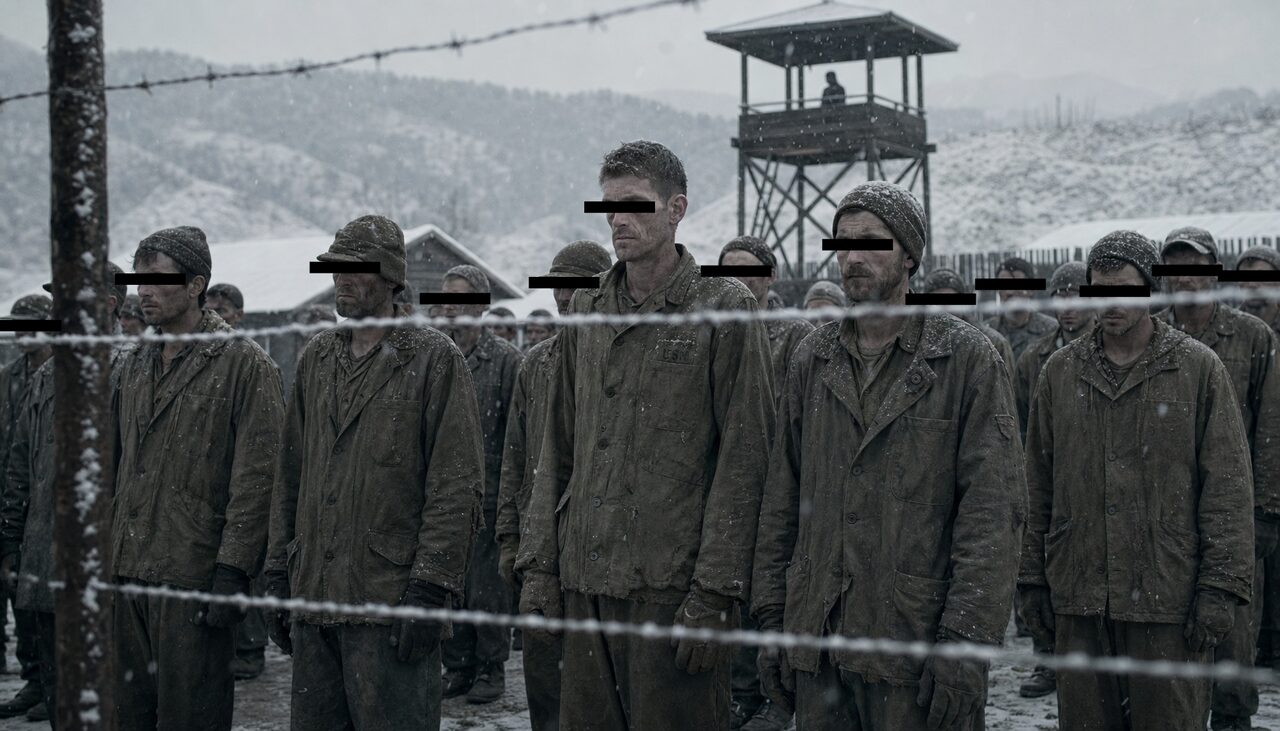
This conclusion was, by most later assessments, badly overstated. The Korean "brainwashing" owed more to coercion, sleep deprivation, and isolation than to any psychological breakthrough. The CIA built its response to fit the threat it imagined, not the one that existed. They spent twenty years countering a technology that was never real. The threat was imaginary. The budget was not.
MKUltra eventually ran to 149 documented subprojects across at least 80 institutions — universities, hospitals, prisons, pharmaceutical companies. Most of them didn't know they were part of a CIA program. Funding moved through front organizations; researchers were told their grants came from private foundations and, by and large, didn't ask. The secrecy was structural, and total.
The Chief Poisoner
The core of MKUltra — the thing that came to define it in public memory — was giving LSD to people who didn't know they were being given LSD.

The program's interest in lysergic acid diethylamide began almost immediately. Gottlieb believed LSD might unlock mind control — a chemical to make a person suggestible, compliant, truthful, or simply incapacitated. The CIA reportedly tried to corner the entire world supply from Sandoz Laboratories in Switzerland. They believed that supply came to ten kilograms. It was ten grams. The agency assembled to master chemical interrogation had opened its masterwork by missing the unit conversion by a factor of a thousand.
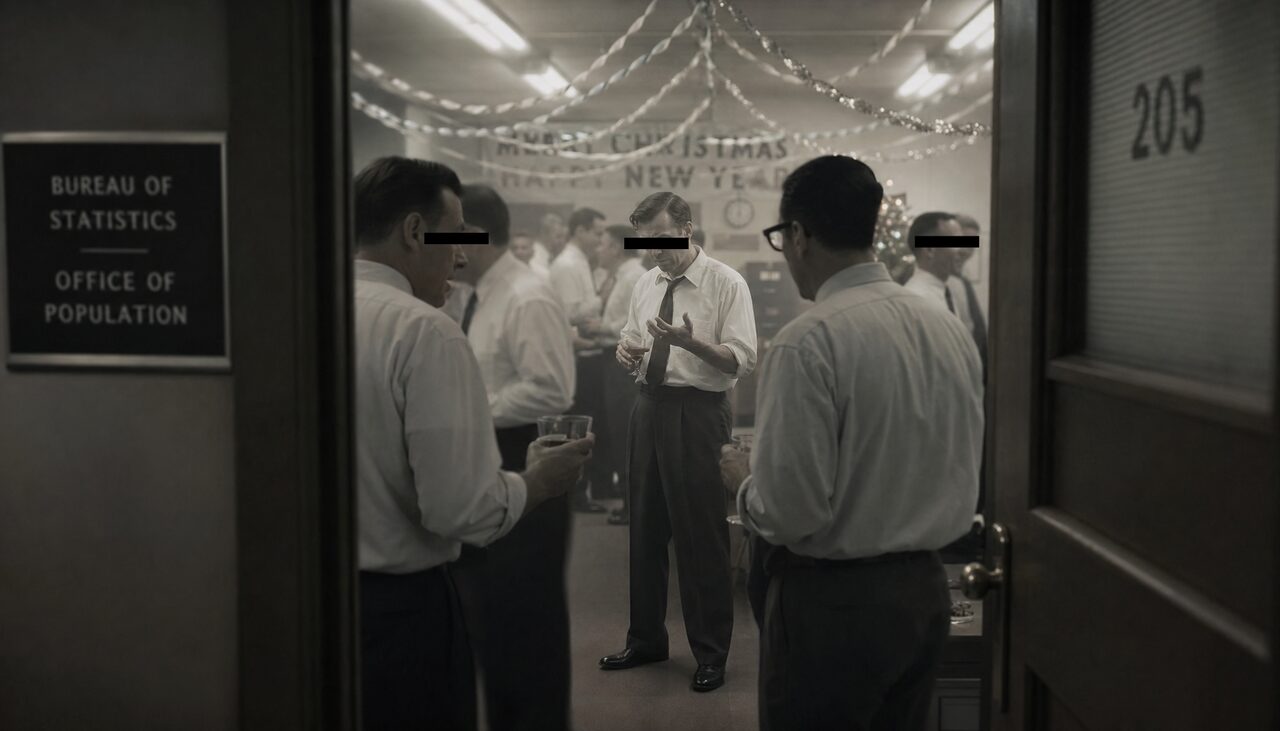
Then it tested the new compound on itself, before it tested it on anyone else. For a stretch, CIA officers dosed each other at work — slipping LSD into coffee, into drinks at office parties, into the water glasses at meetings. Internal memos called this testing. The same memos note, with some concern, that morale suffered once employees couldn't be sure their coffee was only coffee. An agency whose entire job was knowing what other people were thinking had built an office where no one could be sure what they themselves would be thinking by lunch.
LSD got the headlines, but it was never the whole program. Gottlieb's researchers also tested hypnosis, sensory deprivation, electroshock, and a long shelf of so-called truth drugs. At one point the agency hired a professional stage magician, John Mulholland, to write a manual on slipping drugs into food and drink unseen. He delivered it. The CIA had commissioned, in effect, a textbook on sleight of hand. They classified it.
The program reached into prisons, too. At a federal facility in Lexington, Kentucky, incarcerated men — most of them there for addiction — were given LSD by researchers funded through MKUltra. Several were paid for their cooperation in the currency the hospital had on hand: heroin, from its own supply. The arrangement was not, at the time, considered remarkable.
Behind the Glass
Operation Midnight Climax — which warrants its own file — ran CIA safe houses in San Francisco and New York, where unwitting members of the public were dosed with LSD and watched through one-way glass.

The San Francisco house was run by a federal narcotics agent named George White, who paid local sex workers to bring men back to an apartment the agency had wired and mirrored. The men were dosed without their knowledge. Officers watched from behind the glass, sometimes with a drink. White later wrote that he couldn't imagine a better job — where else, he asked, could a red-blooded American lie, cheat, and steal with the blessing of the government. We're sure he meant it warmly.
The program's most prominent individual case was Frank Olson, an Army biochemist who fell from a window at the Statler Hotel in New York nine days after being dosed. A 1994 exhumation found a head injury the lead investigator called "rankly and starkly suggestive of homicide." New York authorities reclassified the death from suicide to "unknown." Two decades earlier, President Gerald Ford had apologized to the family in person. Olson still wasn't the program's widest reach.
Subproject 68
That distinction belongs to a hospital in Montreal. Subproject 68, run by Dr. Donald Ewen Cameron at McGill University, is the program's most documented cruelty. Cameron's patients — people who had come in for mild depression and anxiety — were put through a procedure he called "psychic driving." He placed them in medically induced comas for weeks, sometimes months. While they were under, looped audio played through speakers beneath their pillows, sometimes a single sentence repeated hundreds of thousands of times. They were given electroshock far past any accepted standard. They were given LSD. They were isolated.

Cameron wasn't a rogue actor. He was president of the American Psychiatric Association and founding president of the World Psychiatric Association. By the standards of his profession, a distinguished man. The CIA funded him because his ambition — to erase and rewrite the human mind — matched theirs. On paper, it was a productive partnership.
His patients lost their memories. Some could no longer recognize their own families, or care for themselves. They had come in for treatment. They left as casualties. The Canadian government settled with 77 of Cameron's victims in 1992, for one hundred thousand dollars each.
What the Shredder Ate
MKUltra isn't a conspiracy theory. It's a conspiracy. The distinction matters. Conspiracy theories rest on circumstantial evidence and inference. MKUltra rests on twenty thousand pages of declassified documents — sworn congressional testimony, a presidential acknowledgment of Cold War human experiments, a settlement paid to the family of a man who died after his own government dosed him with LSD. It's about as documented as a program can be, when its own director ordered the documents shredded.
The surviving record exists because of one man's persistence. In 1977, a former State Department officer named John Marks filed a Freedom of Information Act request and received thousands of pages the shredders had missed — the misfiled financial files. He spent years reading them. The book he assembled from them remains, decades later, one of the only detailed accounts of a program its own agency tried to erase.
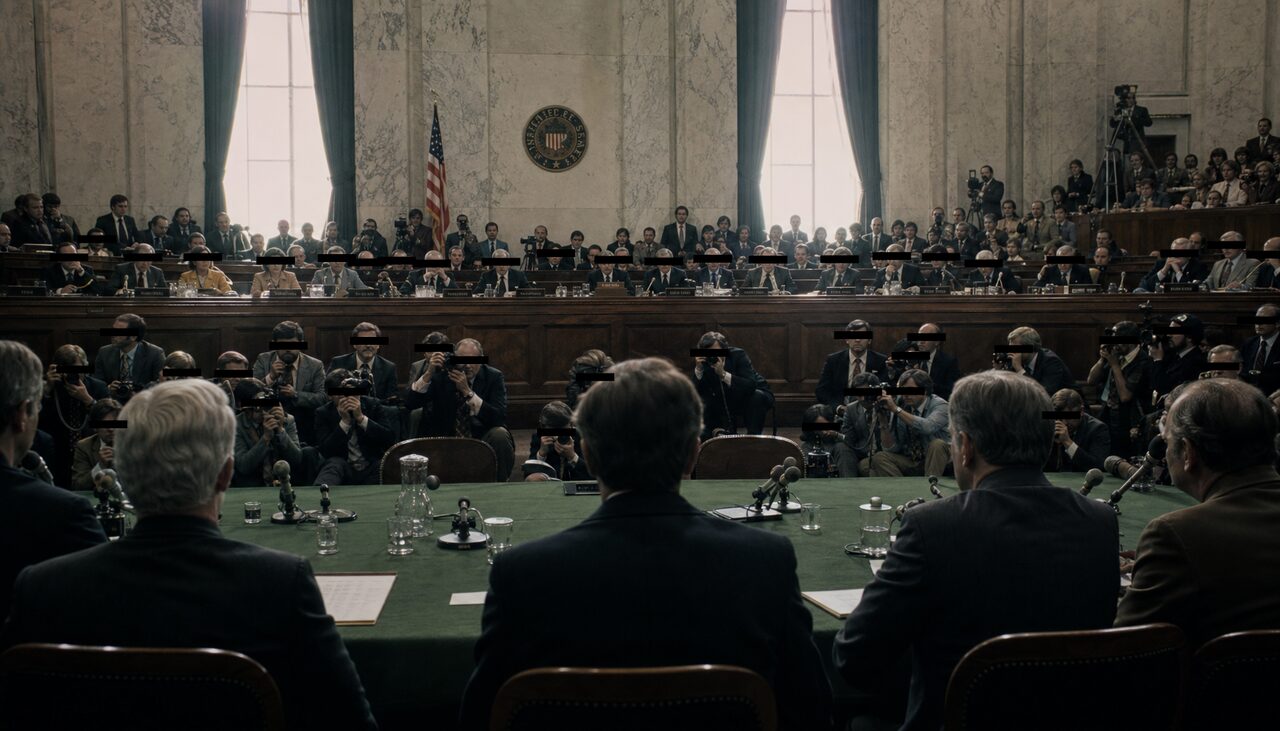
The Church Committee hearings of 1975 — a Senate investigation into intelligence-community abuses, chaired by Senator Frank Church of Idaho — brought MKUltra into public view. The 1977 hearings, triggered by the misfiled financial records, filled in the details. CIA Director Stansfield Turner testified before the Senate and acknowledged the program existed. He called the experiments "totally abhorrent," and noted, in the same breath, that the destroyed records made a full accounting impossible.
The question isn't whether it happened. It happened. The question is what was in the files that didn't survive. Twenty thousand pages lived by accident. The archive someone chose to destroy was, by every estimate, far larger. The surviving record is damning. The shredded one, by implication, was worse. No one knows how many people were dosed, hospitalized, or harmed, because the records that would have counted them are gone. The victims who could be named were named by accident — a lawsuit here, a deathbed account there. The rest are a number someone made unknowable on purpose.
No One Went to Prison
No one involved in MKUltra was criminally prosecuted. Sidney Gottlieb retired from the CIA in 1973 — the same year the files were destroyed — and spent his retirement raising goats and folk dancing in rural Virginia. He died in 1999. Cameron died in 1967, before any of it surfaced. Richard Helms, who ordered the files destroyed, pleaded no contest to two misdemeanor counts of failing to testify fully to Congress about CIA activities in Chile. He was fined two thousand dollars. Retired colleagues passed the hat and paid it for him.

For all of it, MKUltra was, administratively, unremarkable. It had a budget line, a reporting structure, an annual review. Officers filed expense reports for the LSD. Somewhere in the file is a receipt, submitted and approved, for the compound that would go on to define the 1960s. The most unsettling thing in the surviving record may be how ordinary the paperwork looks.
The archival record is still growing. In December 2024 the National Security Archive announced a new scholarly collection of behavior-control documents, including Gottlieb's personnel file and 1983 deposition testimony — fresh material on a program whose own agency tried to leave none. The work of reading what survived is not finished. The work of reading what didn't never started, and never will.
Twenty years of research. Twenty thousand pages saved by a filing error. Zero prosecutions. The craziest conspiracy theory about the CIA turned out to be a line item in a budget nobody checked. The files that survived are public. The ones that didn't are not, and never will be. Somewhere, a clerk filed it wrong. It's the only reason anyone knows.
Sources & Case References
- U.S. Senate Select Committee on Intelligence — Joint Hearing on MKULTRA (August 3, 1977)
- Project MKULTRA: The CIA's Program of Research in Behavioral Modification — hearing PDF
- CIA Reading Room — "Statement on MKULTRA" (1984)
- National Security Archive — "CIA Behavior Control Experiments Focus of New Scholarly Collection" (December 23, 2024)
- John Marks, The Search for the "Manchurian Candidate" (1979)