On the cliffs of the California coast, south of San Francisco, there is a restaurant where the ghost is listed, more or less, as an amenity. Its own website invites you to come watch for the Blue Lady — a woman said to have died there nearly a century ago — and notes, cheerfully, that she may decide to enhance your dining experience. She is, by some distance, the establishment's most loyal regular.
The Moss Beach Distillery is a real place, with a real and genuinely lawless history. The Blue Lady is its most famous feature: put on national television, printed in its marketing, woven into the brunch. She is also, it turns out, younger than the building she haunts.
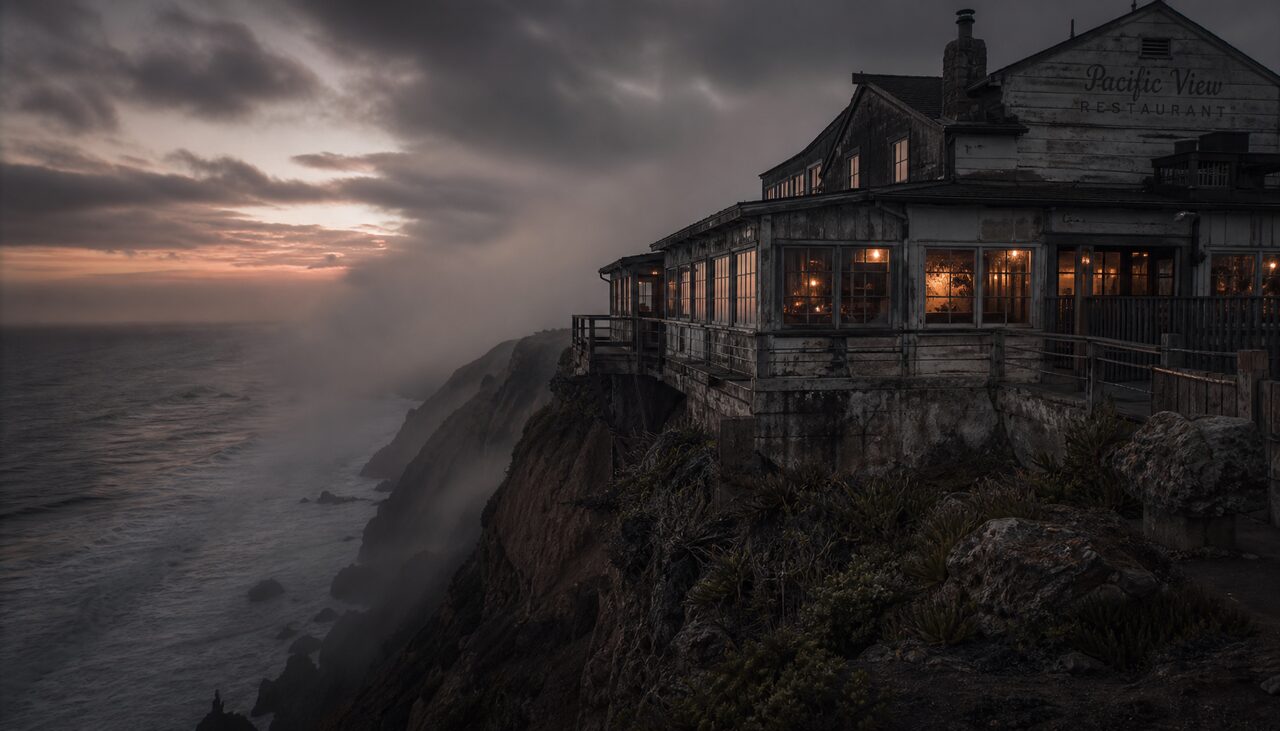
That is the strange thing about this one. Almost everything about the ghost can be explained — the effects, the legend, even how the story first took shape. And when you have explained all of it, there is still a woman in a blue dress that nobody can account for.
Frank's Place
The building opened in 1927 as Frank's Place, named for its owner, Frank Torres. This stretch of the San Mateo coast was, at the time, one of the busiest smuggling routes in the country. It was the middle of Prohibition, and the coves below were ideal for landing whiskey.
By its own account, the place ran whiskey up the cliffs from the beach and into cars bound for San Francisco. Upstairs, food and drink. Downstairs, gambling. In the cabins nearby, by reputation, a few other services. A full-service establishment, in the least reassuring sense of the phrase.
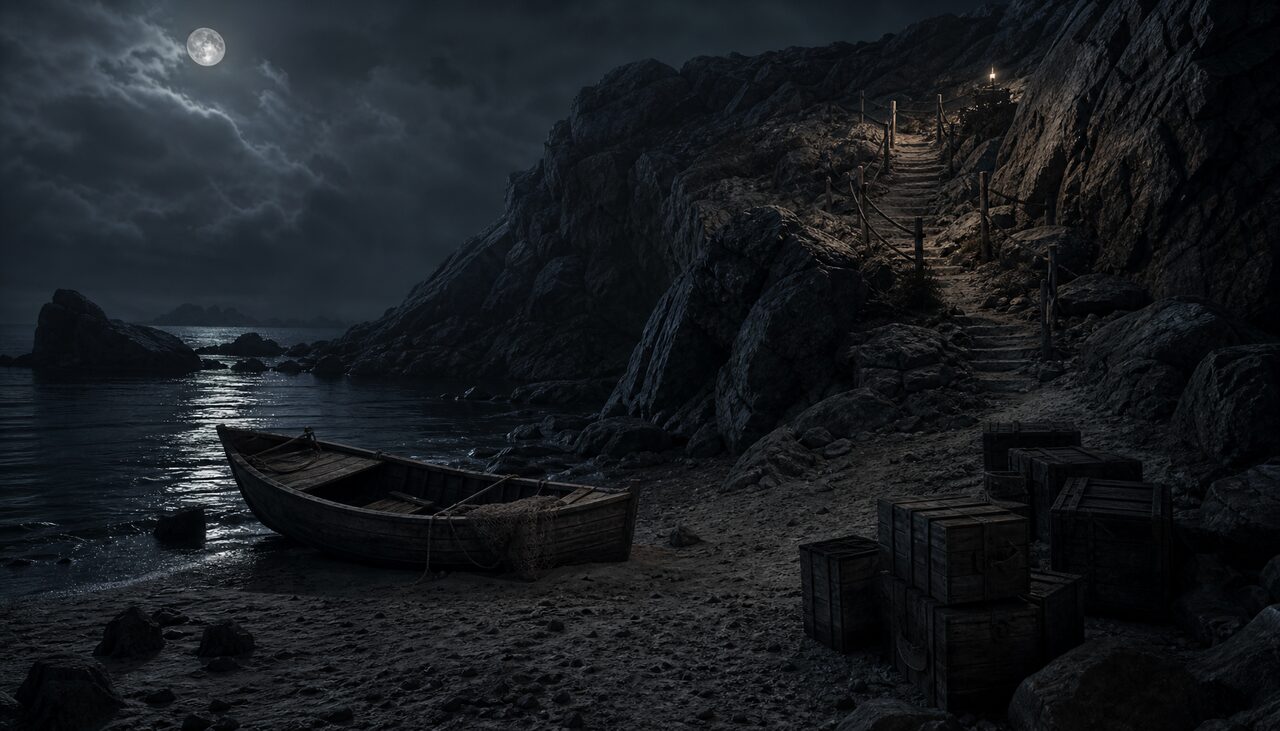
What it reportedly never was, was raided. The story goes that the regulars included the county sheriff and a federal Prohibition agent, and that any whiskey seized would be quietly returned. A speakeasy whose clientele included the men responsible for closing speakeasies. At minimum, it is a building that learned early how to keep a secret.
Picture the operation at full tilt. Diners upstairs who were not supposed to be drinking. Gamblers downstairs who were not supposed to be gambling. Whiskey coming up the cliff that was not supposed to exist. And a guest list that included the men paid to stop all three. Everyone in the building was breaking a law, and everyone had agreed not to notice. A ghost would have fit right in. It would just be one more thing nobody talked about.
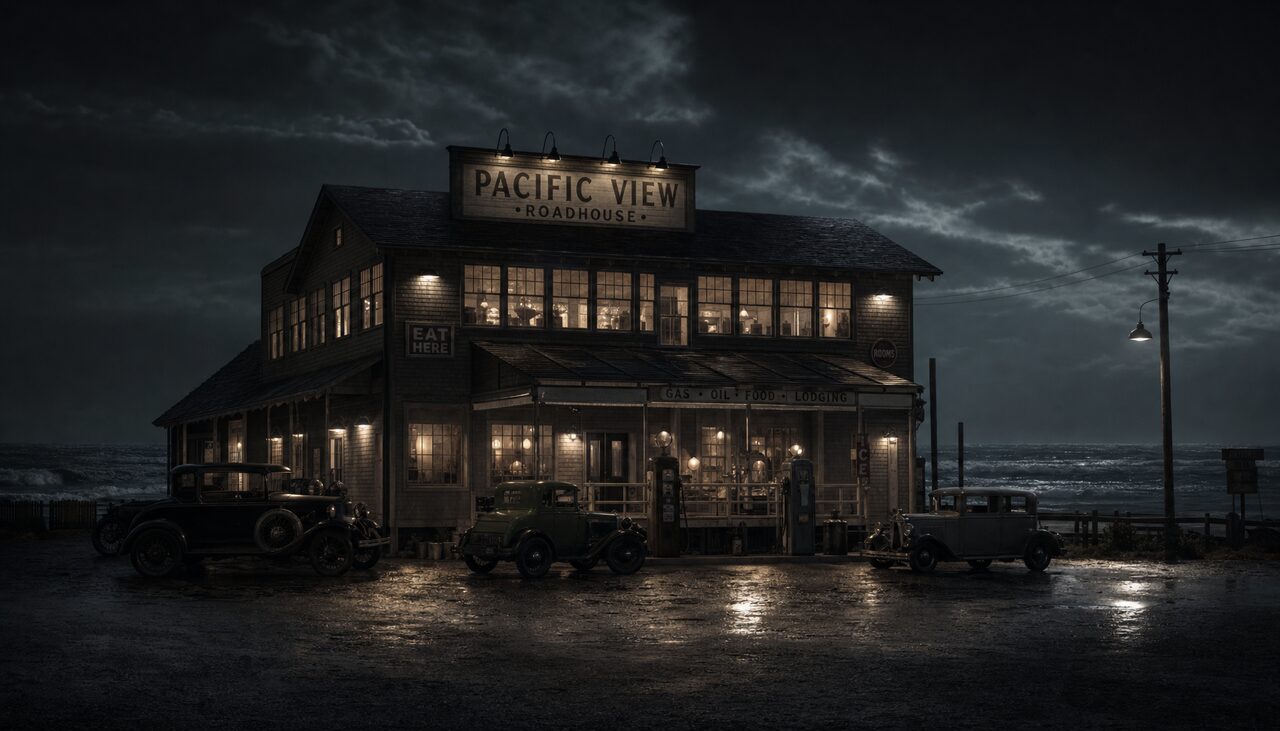
The clientele, by the stories, ran to the glamorous — silent-film stars and city money driving down for a coast that did not ask questions. The detective writer Dashiell Hammett knew this stretch and put a roadhouse like it into a story in 1924, with a line about how half the booze the rum fleet landed came ashore right here, at Half Moon Bay. When the hard-boiled crime novelists are using your town as set dressing, you have earned the reputation honestly.
After Prohibition ended, Torres turned it into a legitimate restaurant. The word Distillery came later — the owners chose it, decades on, for the Prohibition romance of it. The place has never actually distilled anything. The name is set dressing, and it suits the building. This is, and always has been, a spot that enjoys its own legend, which is a fair part of its charm. So when it eventually acquired a ghost, it embraced her the way it embraced everything else about its past: wholeheartedly, and without a hint of embarrassment.
The Woman in Blue
The legend is consistent in its outline. In the speakeasy years, a beautiful young woman in a blue dress was a regular. She was married. She fell in love with the piano player. And then, one night, she died — young, and nearby.
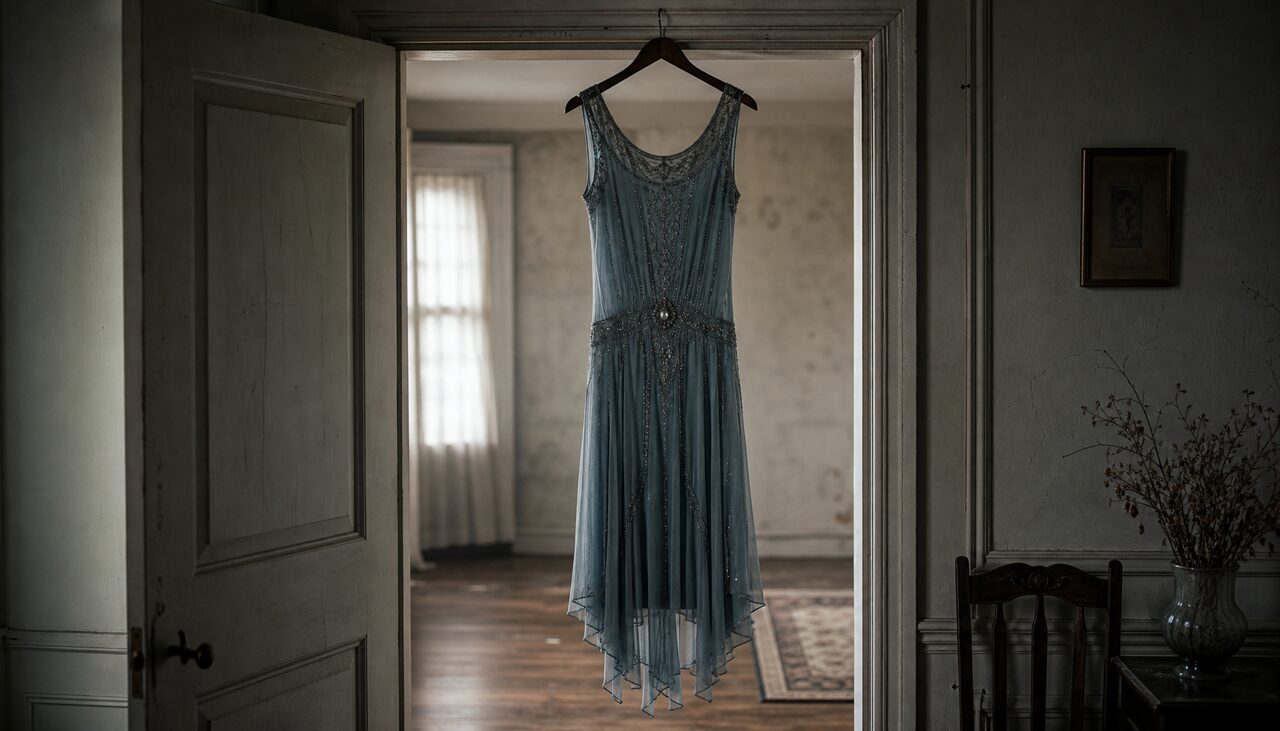
How she died is where the story comes apart. In one telling she is killed on the beach below. In another, a crash on the coast road. In another, she steps from the cliff. In another, she is caught in a fight that was never hers. Four versions, four deaths, one woman. The things a real death leaves behind — a date, a name, a record — are exactly the ones this story has never had.
There is no record of the Blue Lady. No documented death at Moss Beach that fits, no identified woman, no contemporary account of any of it. A specific, vivid, endlessly repeated tragedy, with no victim anyone can find.
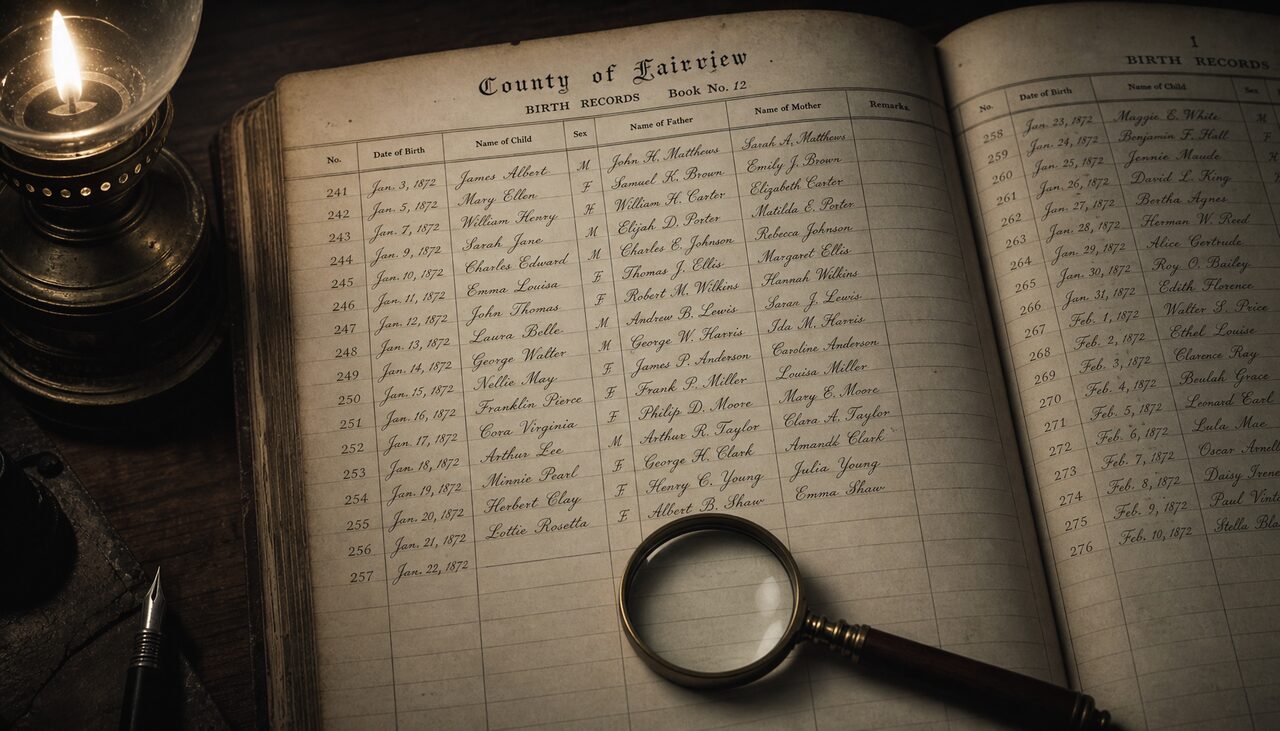
There is a whole category of ghost like this one. The woman in white. The vanishing hitchhiker. The lady in blue. They share a shape — a young woman, a sudden death, a road or a cliff, and a figure that lingers. Folklorists will tell you these stories travel, picking up a local name and a local cliff in each new town. Moss Beach may simply be where one of them came ashore, like the whiskey, like everything else on this coast. The piano player gets a name in some versions, John Contina usually. The husband is sometimes a bootlegger, which at least suits the building. Everyone in the story has a role. What it is missing is a single person you could look up.
The Checkbook That Flew
But whoever she was, or was not, people began to report her, and the reports, for a while, were genuinely strange. The signature phenomenon at Moss Beach is things that float. A former owner described her own checkbook lifting off the desk and drifting in a slow circle around the room. Two staff watched the leather folders the bills come in fly off a shelf and hang in the air before falling. They tried, afterward, to recreate it — knocking the folders down, over and over. They never once got one to stop in midair.
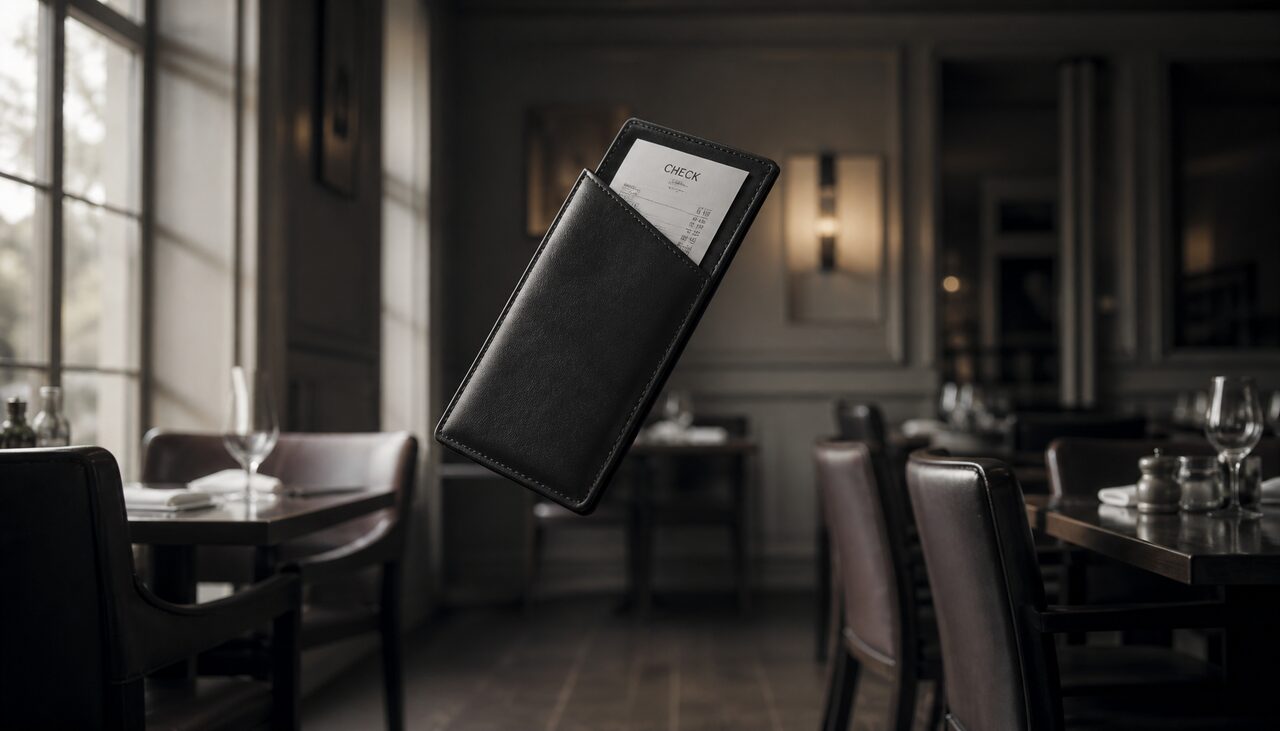
The former owner did not find it frightening. She described the Blue Lady as mischievous: fond of locking the office, hiding things, nudging the furniture. Of all the dead women a building could be assigned, Moss Beach drew a playful one. Good for business. Easier on the staff.
From there it is a long catalog. Doors that lock from the inside. Phones that ring with no one on the line. Lights. Cold drafts. Women diners who lose a single earring, the matching halves turning up later, together, in one spot. And once, by one account, the restaurant's computer quietly reset its own date to 1927 — the year the building opened, the year she was supposedly alive. The women's restroom is a reliable hotspot: a face in the mirror, a sense of someone there. There is a gentler report, too. Children playing on the beach below were, by several accounts, warned away from the water by a woman in a long blue dress, just before a sudden high tide rushed in. Then she was gone. A protective ghost, in that telling. Whatever else she is, the stories make her kind.
The Blue Lady went national in 1992, when Unsolved Mysteries gave her a full segment. There is a specific pleasure in watching Robert Stack — trench coat, gravel voice, the gravity of a man narrating genuine cold-case murders — bring all of it to bear on a haunted restaurant. He sold it completely. He sold everything completely. That was the job.
Timelines
Here is the honesty anchor for the whole thing. The Blue Lady does not appear anywhere before 1981. A reporter who went looking found her first public mention in a newspaper interview that year, with the owners, which is most likely where the modern legend took shape. The building dates to 1927. The famous version of the ghost dates to the early 1980s.
Then there is the hardware. A former Disney technician was brought in and, by his own account in a newspaper interview, installed effects. Chandeliers rigged to sway. A telephone wired to ring on its own. A ghostly face that appears in the bathroom mirror. A hidden speaker that plays laughter when a sensor trips. The haunting, in other words, had production design — and an alumnus of the Haunted Mansion's professional lineage.
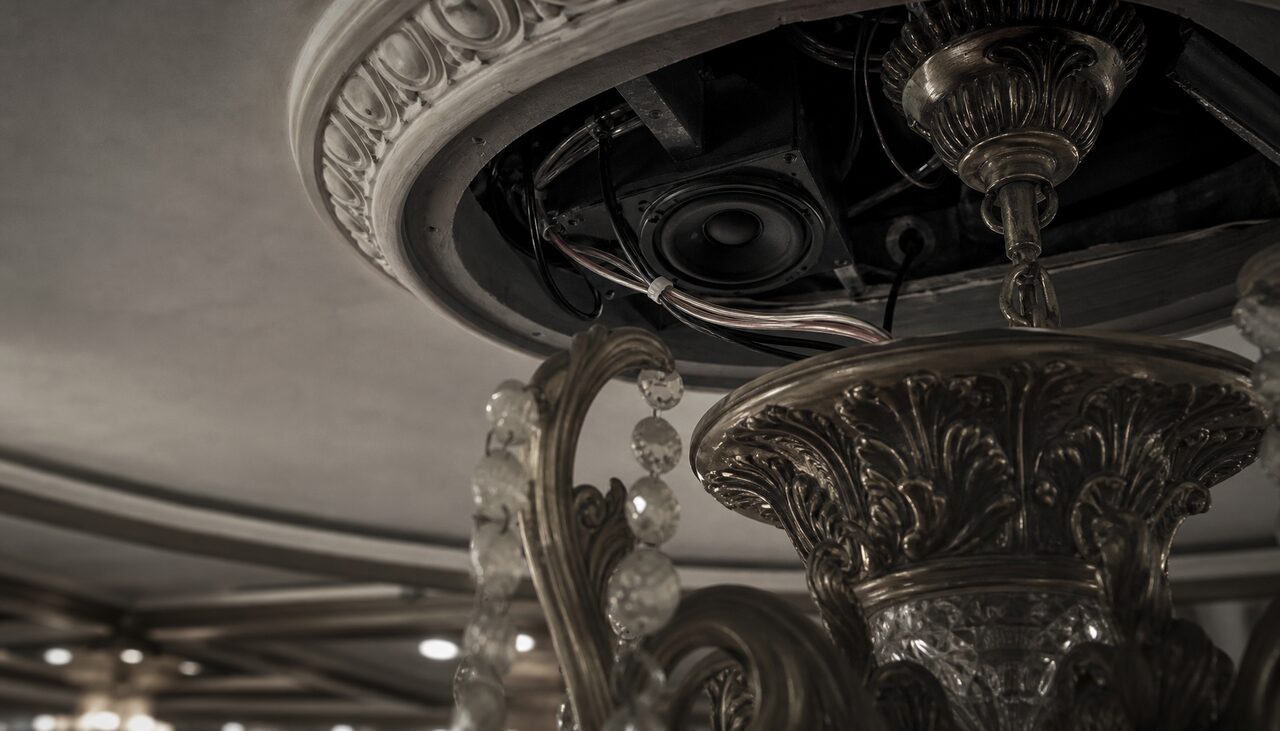
In 2008 the crew from Ghost Hunters came to investigate, the way they had a hundred other places. Instead, they found the machinery: the swaying chandelier, the rigged phone, the rest of it. A few viewers cried fraud, over what was, in the end, a funhouse the public had happily been buying tickets to for years. In fairness, the effects were never really a secret. They were part of the dining experience, and the regulars knew.
But it is worth being precise about what the hardware actually covers — the face in the mirror, the self-ringing phone, the swaying chandelier, the piped-in laughter. What it does not cover is the leather check folders that lifted off a shelf and hung in the air while two employees watched, and would not be knocked into stopping midair no matter how many times they tried. Nobody wired that. And some of the strangest reports come from before any of the gadgets existed.
One detail muddies even the debunk. A parapsychologist named Loyd Auerbach investigated the place in 1991 and reported — for what it is worth — a figure walking straight through him. He also, later, cheerfully helped the restaurant set up some of its special effects, and said so openly. So the same man is, depending on the year, both the eyewitness and the effects department. You do not often get to be both.
Five Names
In 1992 the owners brought in the celebrity psychic Sylvia Browne to hold a séance. Browne named the ghost — Mary, she said, dressed all in blue. Mary Morley. She also, the staff like to tell it, warned of a kitchen fire, which the story says broke out within days. Two employees then went to the county records looking for a real Mary Morley. And they found one.
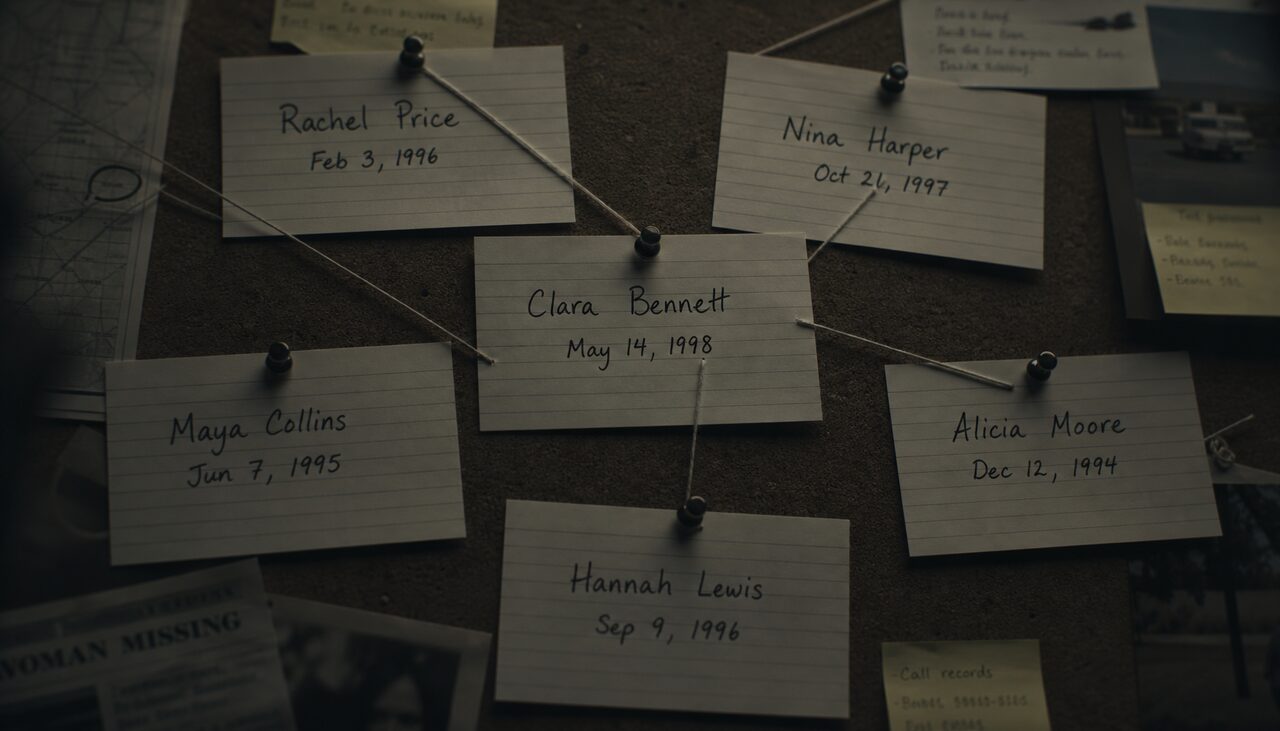
There was a Mary Morley in the records, who died — contemporary reports say — in a car crash in 1919. The legend adds that she was driving home from visiting her mother's grave. It is an eerie fit. Except for the date. 1919 is eight years before Frank's Place existed. She could not have loved a piano player at a speakeasy that had not been built yet.
After that, the ghost kept getting renamed. A later psychic preferred Cayte. Other tellings call her Anna, or Elizabeth, each with a whole new backstory bolted on. The Blue Lady has, by now, accumulated five names and four causes of death — a victim whose biography gets rewritten by whoever happens to visit next. She has a longer list of identities than most of the bootleggers who built the place. Every psychic adds a name. Every retelling adds a death. The one thing nobody adds is a record. The more famous she gets, the less anyone can say who she is.
A Woman Nobody Can Name
So you can take the whole thing apart. The clipping. The gadgets. The séance. The date that does not fit. And you would be right about all of it, and still not be finished.
Strip it away, and something stubborn is left over. A genuinely lawless old building. A handful of reports from sober people who had nothing to sell. And a woman in blue with no last name, no death certificate, and no year. The gadgets were real. The mystery underneath them is oddly intact. A face seen clear across a dining room. Objects that moved when nothing was rigged to move them. You cannot haunt a record that was never written. But something here keeps the story walking.
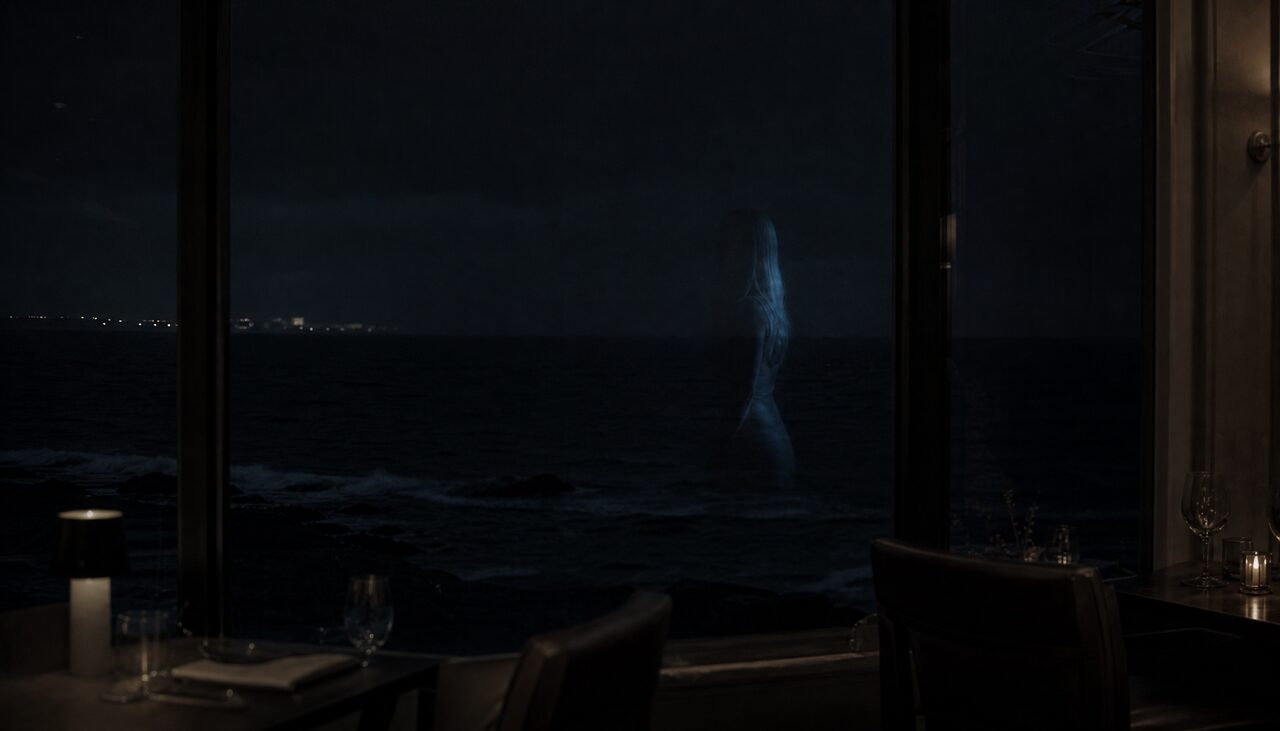
The Distillery is still open, still on the cliffs, still doing a brisk Sunday brunch. The Blue Lady is still on the website, still — in their words — ready to enhance your experience. A century on, she is still the most loyal regular the place has, and still the one nobody can put a name to.
So debunk what deserves it. The chandelier was rigged. The séance was theater. The most-cited victim died in the wrong decade. And then there is the rest: the folders in the air, the names that never settle, the sightings from before there was anything to sell. Some of it was a show. Some of it, no one has ever explained. The woman in the blue dress is still out on the cliffs, somewhere between the two.
Sources & Case References
- Moss Beach Distillery — official site
- Atlas Obscura — "Moss Beach Distillery"
- SFGate — "The strange, contested history of the Moss Beach Distillery's Blue Lady"
- Unsolved Mysteries, "Blue Lady of Moss Beach" segment (1992)
- Ghost Hunters (Syfy/TAPS), Moss Beach Distillery investigation (2008)