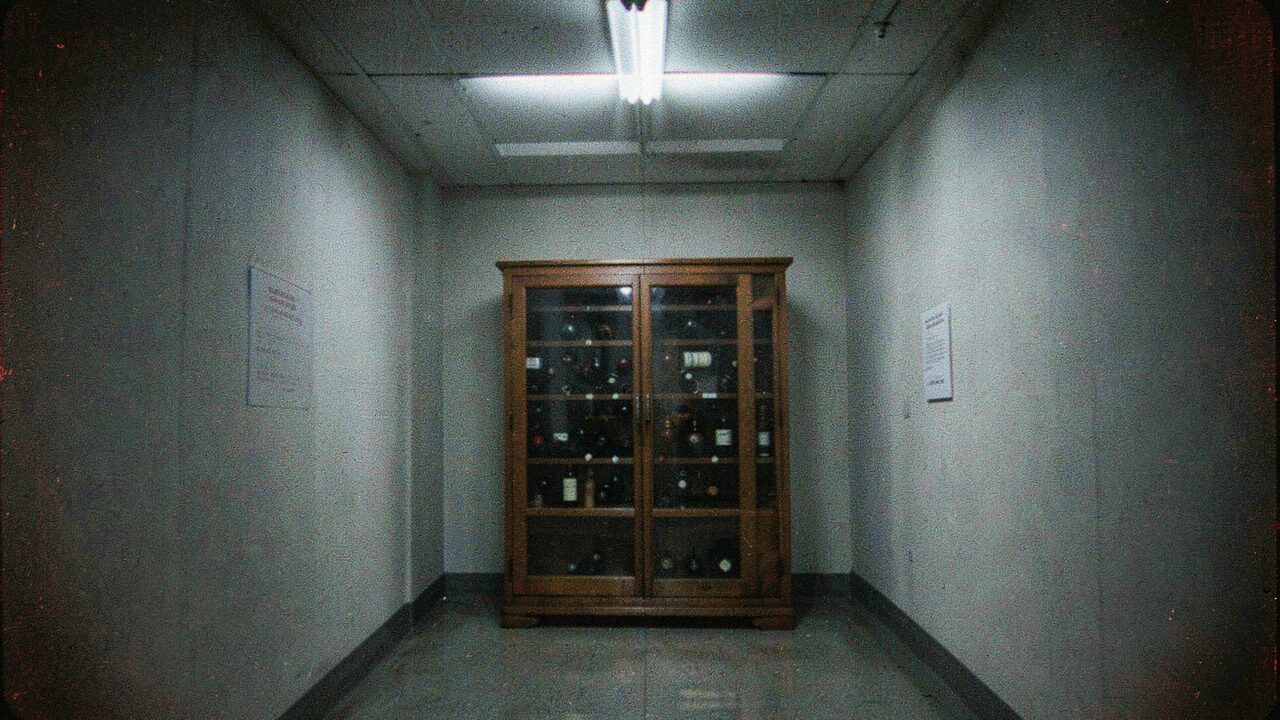
In 2003, a man in Portland, Oregon, listed a wine cabinet for sale on eBay. The listing was detailed and well-written. It described the cabinet as formerly owned by a Holocaust survivor, and explained that since buying it at an estate sale, the seller had suffered recurring nightmares, health problems, and an inexplicable smell with no identifiable source. He'd given the cabinet to his mother as a birthday present. She had a stroke the same day.
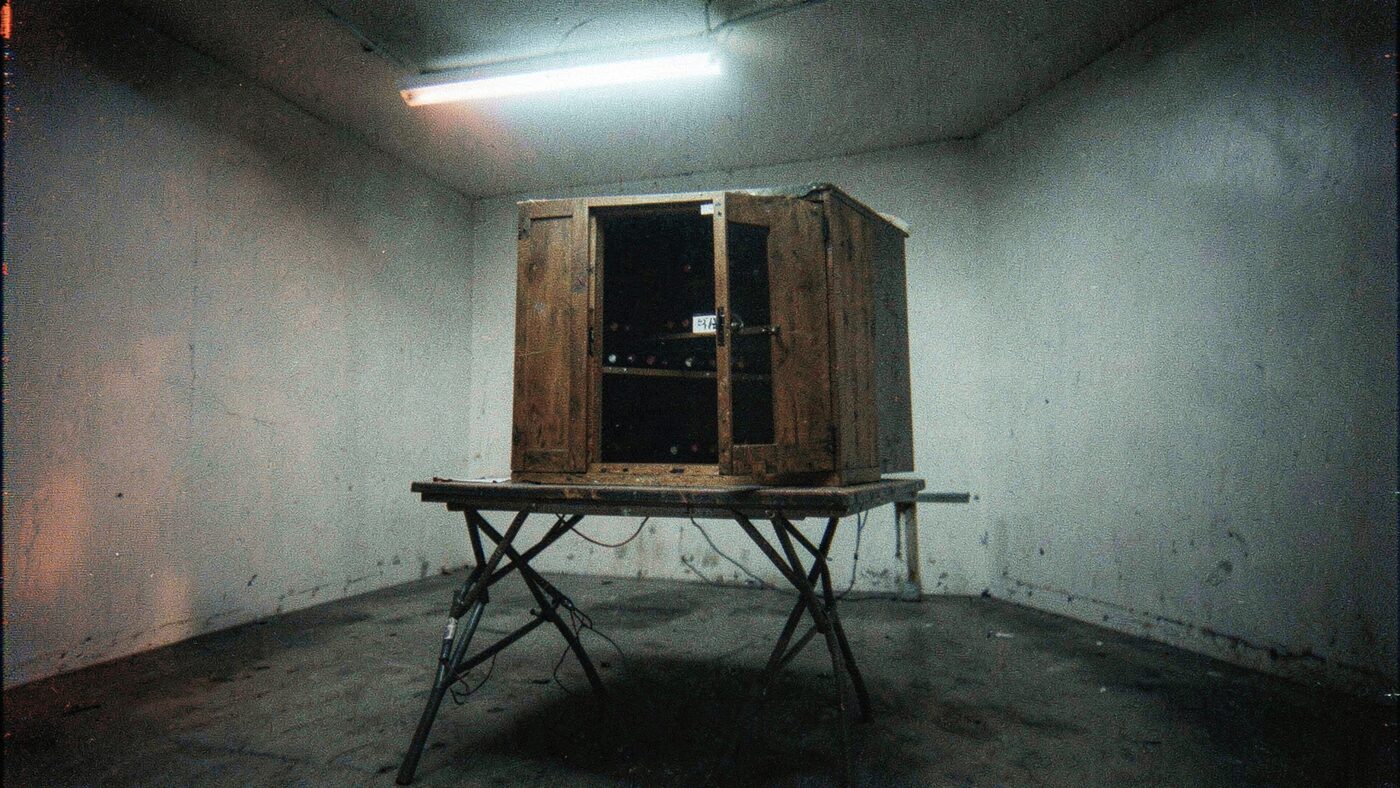
The cabinet sold. Then it sold again. And again. Each owner reportedly described the same symptoms — nightmares, the smell, shadow figures at the edge of vision. The cabinet passed through several hands, acquired the name "the Dybbuk Box," and eventually inspired a major studio horror film.
In 2021, the man who wrote the original listing said he'd made the whole thing up. Then again, he has never been entirely clear about anything. The box is still in a museum.
The Spirit and the Box
A dybbuk, in Jewish mystical tradition, is a malicious spirit — specifically, the dislocated soul of a dead person that attaches itself to a living host. The concept appears in Kabbalistic literature and in Jewish folklore, particularly from the sixteenth and seventeenth centuries. The dybbuk is not a ghost in the Western sense. It does not haunt a location. It inhabits a person, speaks through them, and must be exorcised through specific rabbinical ritual. It has no interest in wine cabinets.
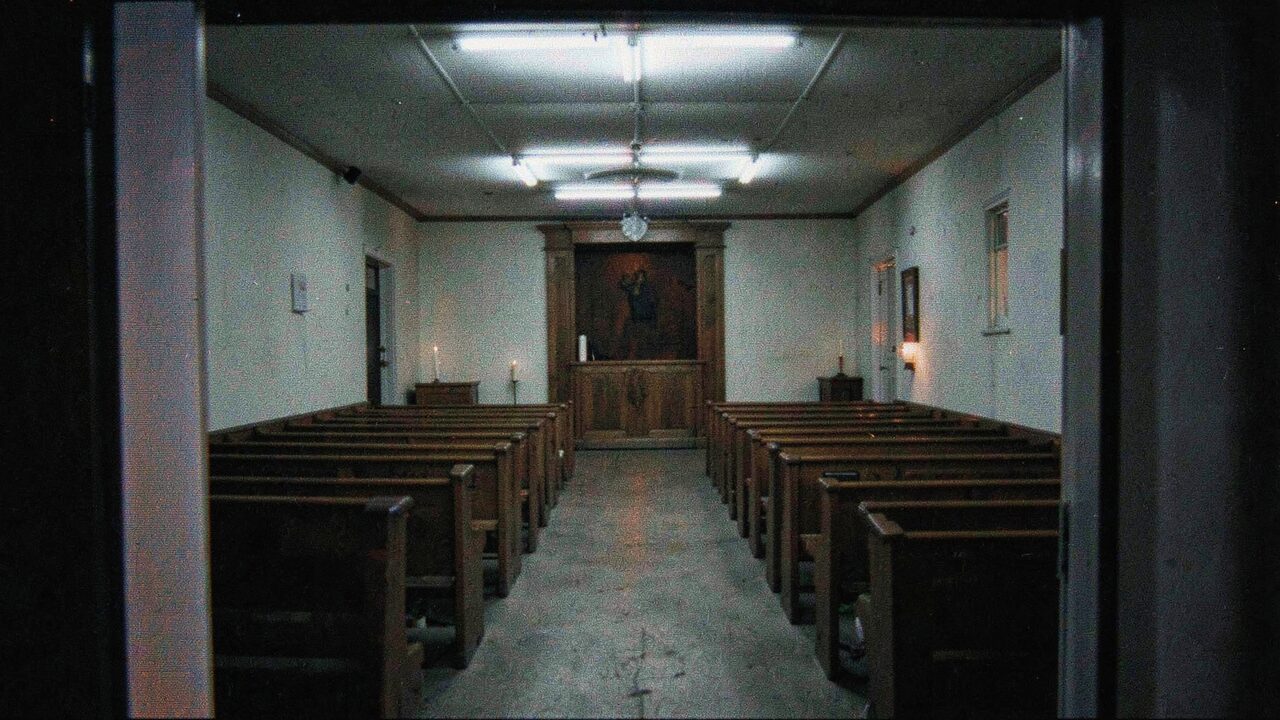
A "dybbuk box" — the idea of a container that holds or traps such a spirit — has no established precedent in Jewish religious tradition. Rabbinical scholars have noted that binding a dybbuk to an object, rather than a person, doesn't appear in the classical texts. The term itself was coined, by available evidence, by the man who sold the wine cabinet on eBay. It did not exist before him. Rabbinical scholars would later be consulted about it anyway.
The tradition does have its own history of case files. Around 1570, Rabbi Isaac Luria is reported to have performed an exorcism in Safed, in Ottoman Palestine, driving a spirit from a woman who had begun speaking in a male voice and claiming to be a dead sinner seeking repair for his soul. Seventeenth-century Polish exorcism accounts describe dybbuks being commanded to exit through a toe — the limb a person could best afford to lose. The point is that the tradition is specific. A dybbuk enters a person. It is removed from a person. A "dybbuk box" is a category error, roughly equivalent to a werewolf aquarium. The thing does not go in there.
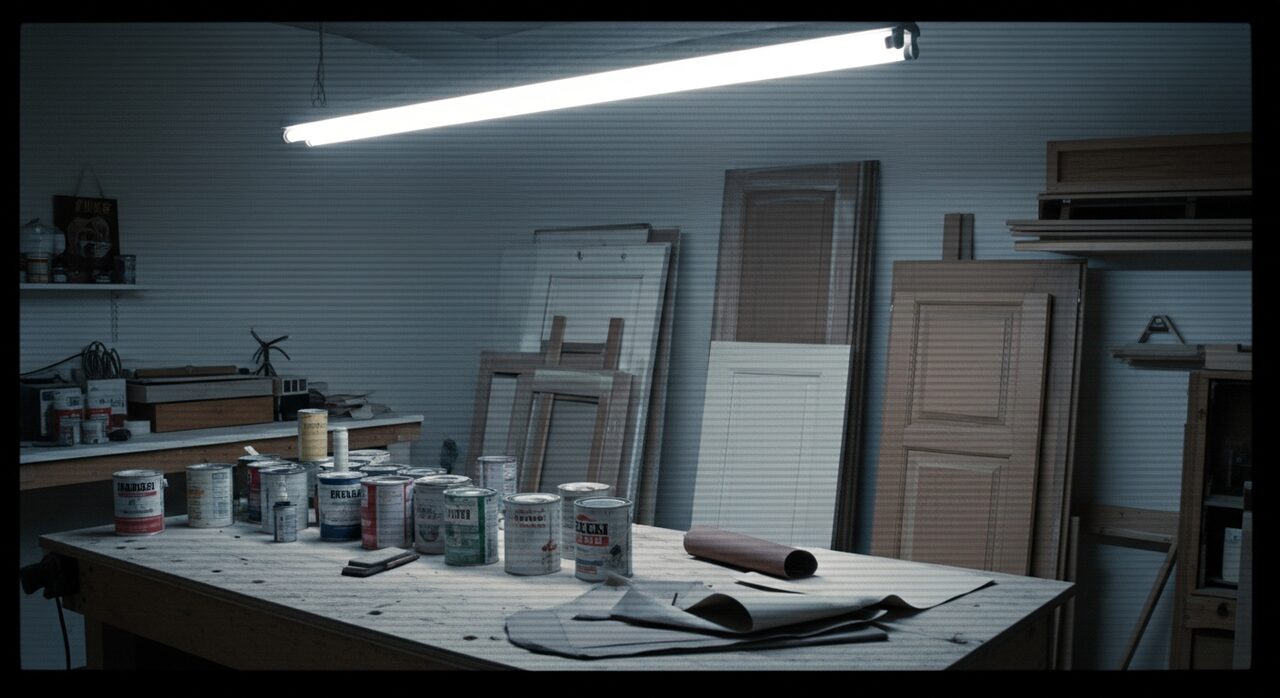
Kevin Mannis was a furniture refinisher and writer in Portland. By his original account, he bought the wine cabinet at an estate sale belonging to a woman identified as a Holocaust survivor who had immigrated to the United States after World War II. Her granddaughter told him at the sale that the cabinet had been important to her grandmother, and that it should never be opened.
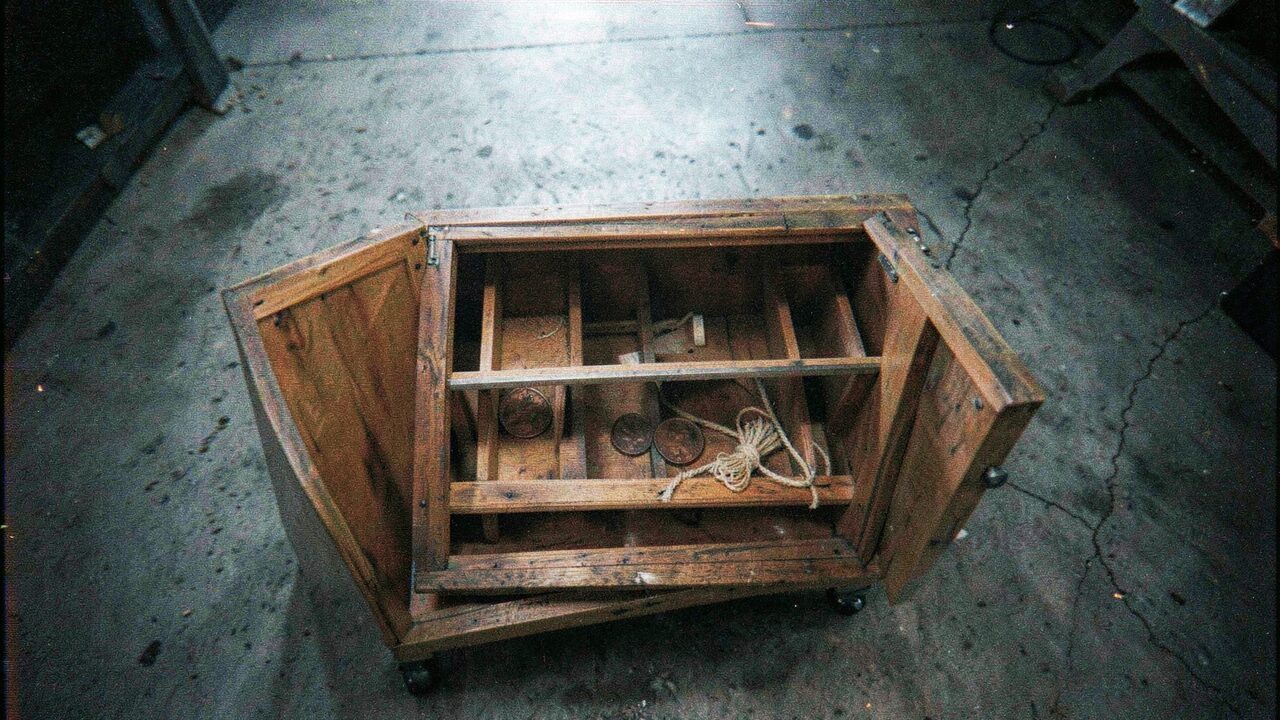
Of course, Mannis opened it. Inside, he reported finding two 1920s pennies, a lock of blonde hair bound with cord, a lock of dark brown hair bound with cord, a small stone engraved with the Hebrew word "shalom," a dried rosebud, a gold wine goblet, and two cast-iron candlestick holders with octopus-like legs.
The Chain of Owners
He left the cabinet at his refinishing shop. According to Mannis, his shop assistant called him in tears to report that the security gate had been locked from the inside, the lights were out, and she could hear someone cursing and breaking glass. When Mannis arrived, the shop was empty. Several bulbs had shattered. A strong, unidentifiable odor — later described as cat urine mixed with jasmine — filled the space.
Over the following months, he gave the cabinet away several times. Each recipient returned it, reporting the same cluster: vivid nightmares featuring a cackling old woman, an oppressive sense of dread, and the smell. One left it on his doorstep with a note that read, according to Mannis, "This has a bad darkness."
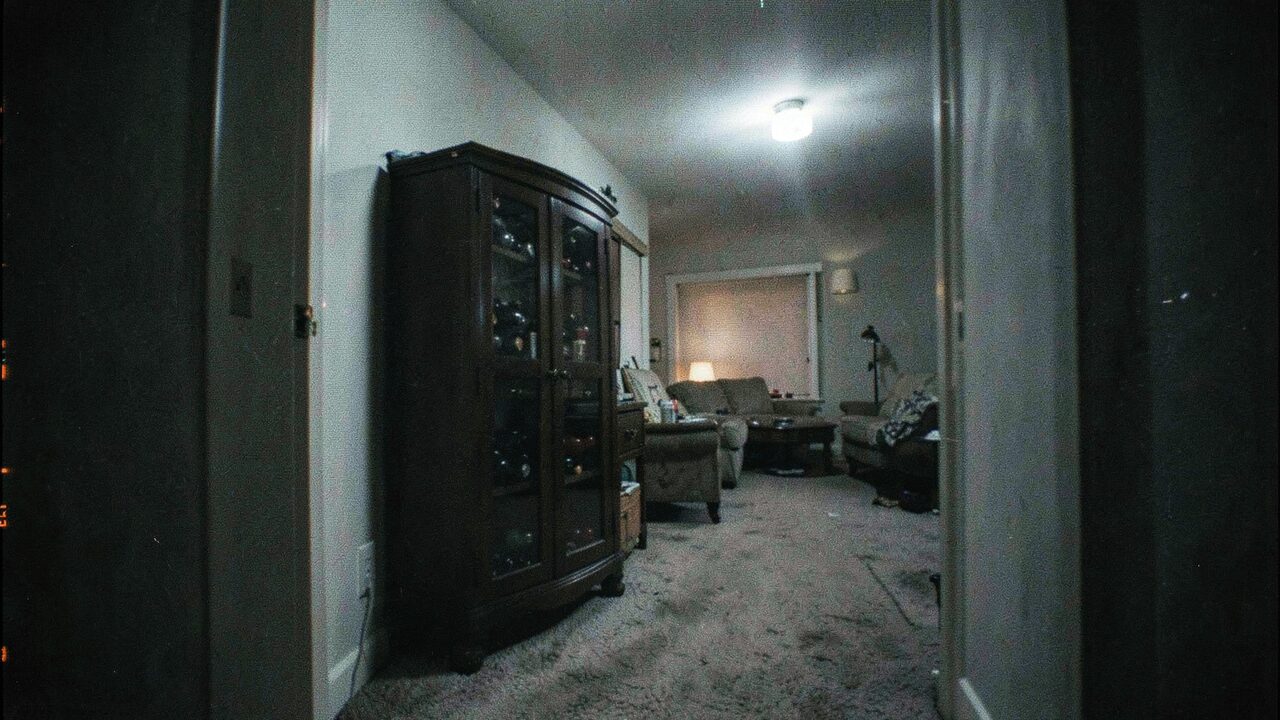
Then he gave it to his mother for her birthday. According to Mannis, on the day she received it she suffered a stroke that left her partially paralyzed and unable to speak. Using her left hand, she spelled out letters on a sheet of paper. They spelled, Mannis reported: Hate gift.
He eventually listed the cabinet on eBay with a lengthy description of its history and effects. The listing deserves attention as a piece of writing. It ran over a thousand words. It had pacing, a three-act structure, and stakes that escalated from a panicked employee to a mother's stroke. eBay in 2003 did not have a creative writing section. The product description field served just fine. Mannis would prove a more committed novelist than memoirist.
The bidding reflected the narrative's pull. The cabinet reportedly sold for around $140 — unusual for a secondhand wine cabinet with no antique value — and resold months later for roughly twice that. People were not bidding on furniture. They were bidding on a story, and each resale added a chapter. The next documented owner, a college student identified in some accounts as Iosif Nietzke, resold it on eBay and added his own experiences to the listing. The description grew like a chain letter. By the time it reached its most serious owner, it had become a collaborative document — a ghost story written, in part, by its own audience.
That owner was Jason Haxton, director of the Museum of Osteopathic Medicine at A.T. Still University in Kirksville, Missouri. Haxton was, by training and profession, a museum curator — a person whose job is, in essence, to decide what is real and what is not. He acquired the box, studied it, and reported the same symptoms: nightmares, health problems including hives and what he described as strange bleeding from the eyes, and a general sense of malevolence. The verdict, from the man whose job is to render appraisals, was hedged.
The eye bleeding is worth pausing on. Most of the reported symptoms — nightmares, dread, odors — are subjective. Bleeding from the eyes is different. It is visible. It is documentable. It is also, in medical literature, rare but not unheard of: a condition called haemolacria, with documented causes ranging from physical injury and conjunctival irritation to certain hormonal and bacterial factors. Haxton reported it. He did not, to public knowledge, provide ophthalmological records. It is the most striking claim in the entire chain of ownership, and the least verified.
Haxton wrote a book, The Dibbuk Box, published in 2011. He consulted rabbinical scholars, sealed the box according to procedures they recommended, and stored it. He described himself as unsettled by the experience but declined to make definitive claims about the object's nature.
In 2012 the box inspired the horror film The Possession, produced by Sam Raimi's Ghost House Pictures and distributed by Lionsgate. It made over $85 million worldwide on a budget of $14 million — a wine cabinet from a Portland estate sale, generating roughly a six-to-one return. In 2017, Zak Bagans acquired the box for his Haunted Museum in Las Vegas, reportedly for an undisclosed sum, though Haxton has described it as a donation. The box went behind glass. Visitors are warned. The warning is part of the experience. Some report feeling unwell near the exhibit. The museum charges admission.
The Confession
In July 2021, Mannis gave an interview to the magazine Input in which he stated that the original eBay listing was a creative writing exercise. He'd made it up — not just the nightmares and the smell, but the origin story too. By his fuller admissions, he bought the wine cabinet at a yard sale, placed the contents inside himself, and carved the Hebrew engravings. He was a writer using eBay as a storytelling platform. The wine cabinet was real. Everything else was fiction.
The confession should have ended the story. It didn't, for two reasons. First, it did not arrive cleanly. Mannis told the interviewer the story was fiction, then softened the claim in later conversations — suggesting parts were embellished rather than invented — then reaffirmed it was fiction, then hedged again. He is a man who confessed to a hoax and then could not commit to the confession. Hedging may be his only consistent trait.
The Holocaust survivor deserves her own beat. She did not exist. Mannis invented a survivor, gave her a granddaughter, and used that invented suffering to sell a wine cabinet on the internet.
Second, the subsequent owners — the student, Haxton, and others — reported their experiences independently of one another. Either they were continuing the fabrication, consciously or not; or experiencing genuine phenomena triggered by suggestion; or experiencing something unrelated that happened to match the story. The original story may be fiction. But fiction that generates real reports of real experiences in later owners occupies a strange category. The box became a test of whether a story told well enough about an object can make the object behave as though the story were true.
The Story as Haunting
The skeptical explanation is unusually tidy. Mannis, by his own admission, wrote a piece of fiction and posted it on eBay. Later owners may have been primed to read normal phenomena — bad dreams, coincidental illness, drafts carrying unusual smells — as supernatural. The clustering of symptoms across owners is consistent with the nocebo effect, in which the expectation of harm produces the experience of harm. Every owner had read the listing before taking possession. Every owner knew what symptoms to expect.
The nocebo effect is not metaphorical. It is one of the most replicated findings in clinical research. In drug trials, patients given inert sugar pills and warned about side effects reliably develop those side effects — nausea, headaches, fatigue, rashes. In one documented case, a man who believed he had overdosed on placebo pills was admitted to an emergency room with dangerously low blood pressure; told the pills were sugar, his blood pressure returned to normal within fifteen minutes. Tell someone an object will give them nightmares, and the brain, accommodating as ever, gets to work.
The explanation is elegant. It may even be correct. What it does not fully address is the specificity and consistency of the reports across owners who were not in contact with each other — and Haxton, a trained museum professional, whose symptoms included eye bleeding, which is not a standard nocebo response. Haxton did not simply have bad dreams. He reported medical symptoms and described documenting them.
The deeper question is whether the box matters at all, or whether the story is the haunting. Mannis created a narrative. It propagated. It generated experiences, a book, a film, a museum exhibit, a tourism economy. People pay to stand near it and feel afraid. The fear is the product. Whether the fear originates in the box or in the story about the box is, functionally, irrelevant to the people feeling it. A haunted object that may not be haunted but behaves as though it is, because people believe it is, is indistinguishable from a haunted object. The box has earned its case either way.
Behind Glass
The Dybbuk Box is in Las Vegas now. It sits behind glass in Zak Bagans' Haunted Museum on East Charleston Boulevard, between other artifacts of alleged supernatural provenance. Visitors line up. The lights are dim. The air conditioning hums.
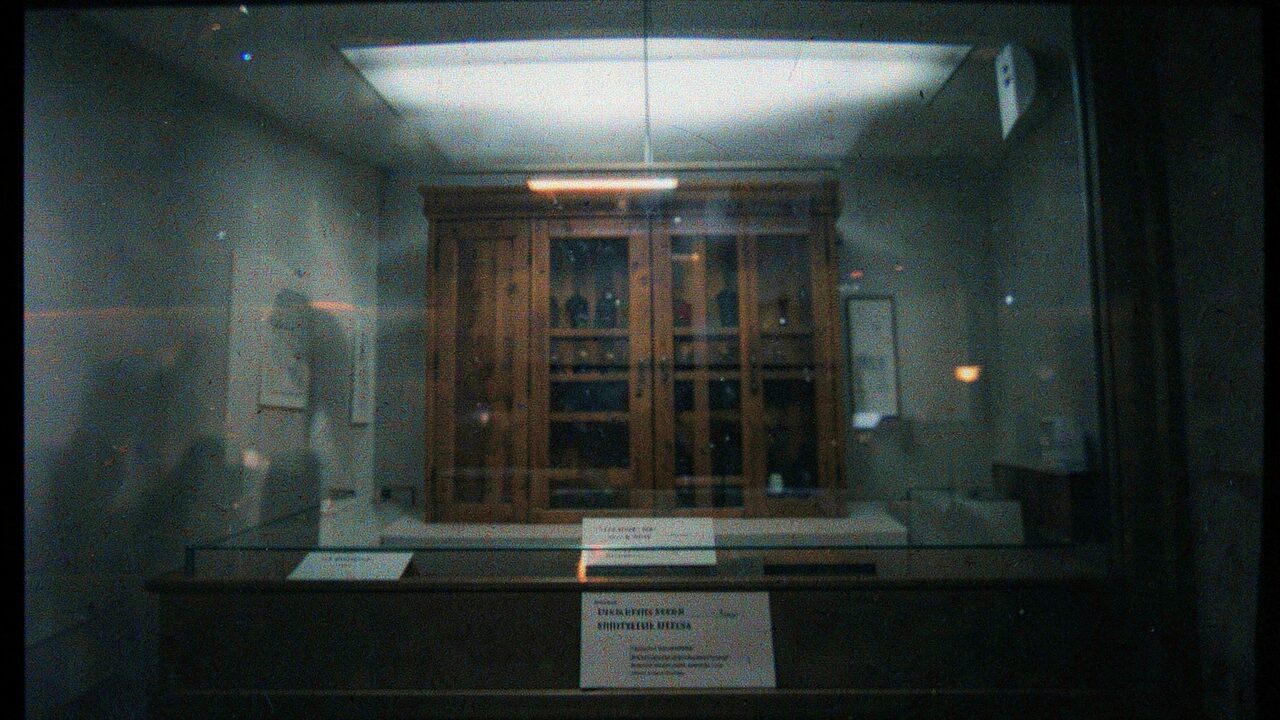
Kevin Mannis lives in Portland. He may have written a short story on eBay twenty years ago, or he may have sold a genuinely haunted wine cabinet and then tried to unsay it. He has, characteristically, declined to be entirely clear on the matter. The cabinet was real. That has never been in dispute. It is the only part of the story he has never had to take back.
Sources & Case References
- Skeptical Inquirer — Kenny Biddle, "The Dibbuk Box" (2019)
- Skeptical Inquirer — Kenny Biddle, "The Dybbuk Box Deconstructed" (2022)
- Jewish Telegraphic Agency — "The Dybbuk Inside" (2011)
- Jewish Telegraphic Agency — "In Hollywood's 'The Possession,' the dybbuk is back" (2012)
- Jason Haxton, The Dibbuk Box (2011)