In 1796, the town council of Cumberland, Rhode Island, held a vote. The matter before the council was whether to allow a local man named Stephen Staples to dig up his recently deceased daughter and try an experiment. The motion passed. The council minutes stipulated that Mr. Staples must rebury his daughter afterward, quote, "in a Deasent Manner." The experiment involved removing and burning her heart. They didn't record what they expected this to accomplish. They did spell "decent" wrong, and the misspelling is in the official record.
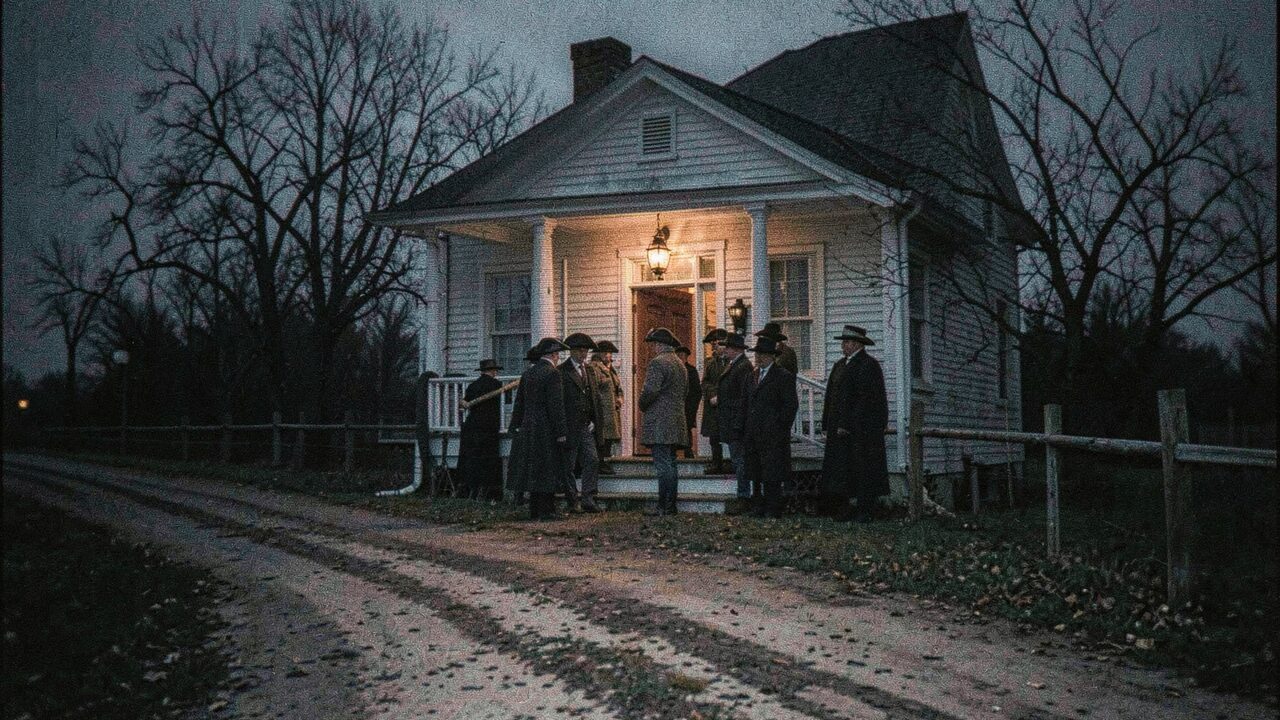
This wasn't an isolated incident. Between roughly 1784 and 1892, communities across New England dug up — by the best available count — at least 80 bodies and burned the organs of the ones that didn't look dead enough. Some of the ashes were fed to the living. Some were mixed into medicine. In at least one case, they were inhaled as smoke. The procedure had civic approval, a date, and a clerk. Nobody at the time pointed out the irony of flipping who consumed whom.
What It Was Actually Called
The events are now filed under the New England Vampire Panic. No one at the time used the word "vampire." When the communities called it anything, they called it mercy. The belief was specific: when a family kept dying of the same wasting illness, the first to die was understood to be feeding on the others from inside the grave. To stop the feeding, you opened the body, found the organ that still held blood, and burned it.
The earliest case on record is from Willington, Connecticut, in 1784. A man named Isaac Johnson was persuaded by, quote, "a quack doctor, a foreigner," to exhume the bodies of two of his children. The reason the case exists in the historical record at all is that a town official found the whole thing distasteful and complained about it in writing. The paperwork begins, as it often does, with somebody annoyed.
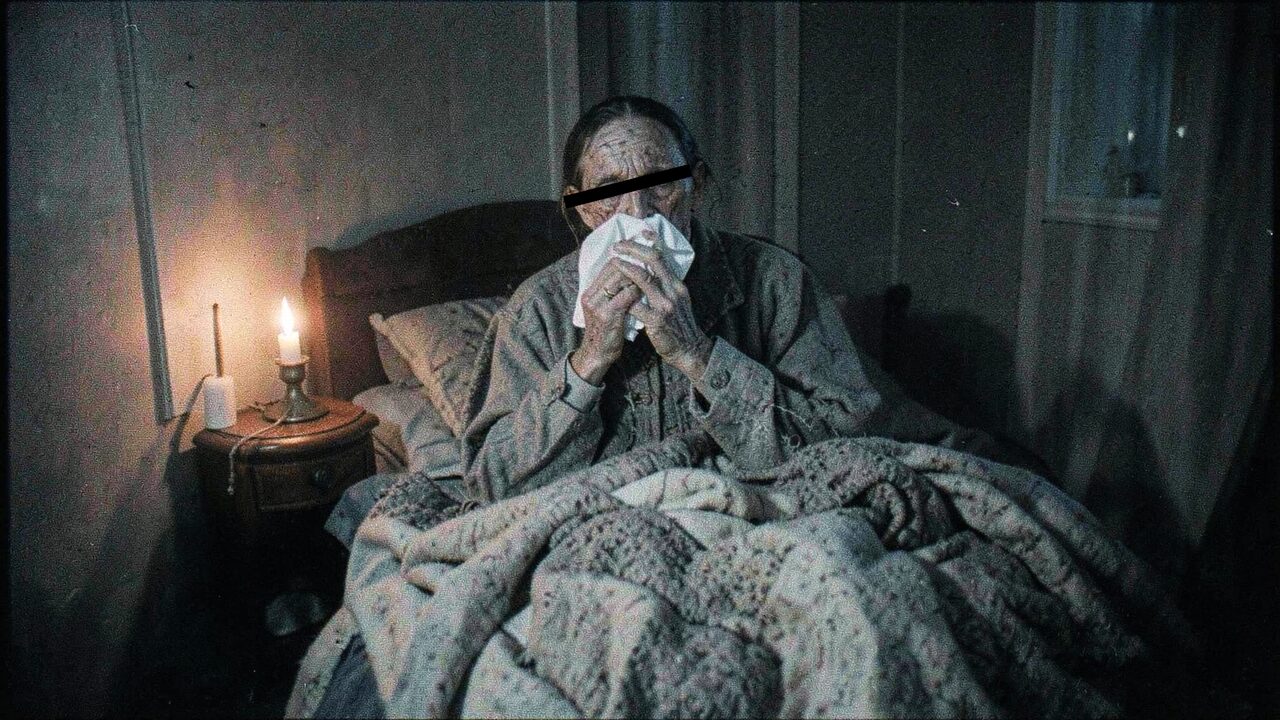
The disease underneath all of it was consumption — what we now call tuberculosis. It was the leading cause of death in 19th-century America, killing roughly one in seven people. It moved slowly, took months or years, and traveled household by household. A wife would cough, then a daughter, then the daughter's younger brother. Doctors bled them, prescribed rest, fresh air, whiskey, and sea voyages for families who could afford them. The rest watched each member get thinner, paler, quieter, and then stop. Without a name for the cause, all anyone had was the pattern.
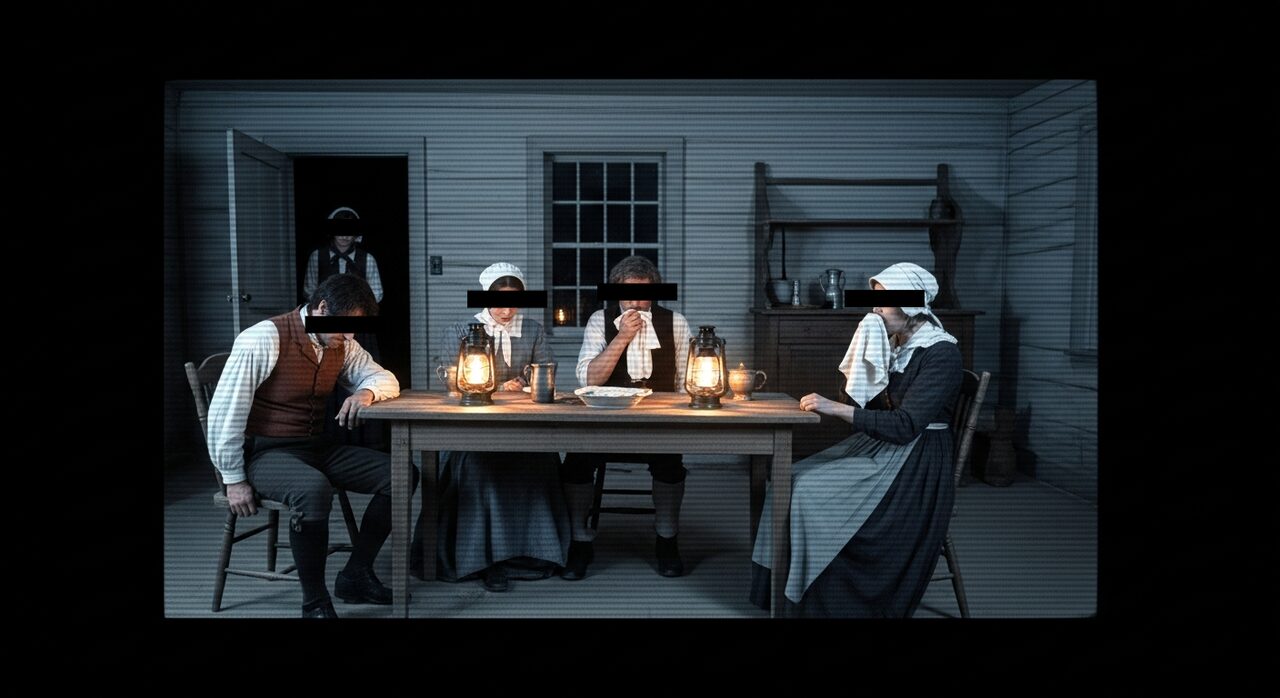
And the pattern was genuinely alarming. The living grew pale, lost weight, coughed blood, and faded. The dead, when exhumed, sometimes looked better than expected — blood in the heart, organs intact, color in the face. To a family that had buried four people and was watching a fifth decline, that looked like something still eating.
The folklorist who put a number on it is Michael Bell, who spent decades chasing the cases down. Around 17 turned up in Rhode Island alone, depending on how you count, and Bell believes hundreds more remain undiscovered. The epicenter was southern Rhode Island, but cases appeared across Connecticut, Vermont, and Massachusetts, and as far west as the Midwest.
The exhumations weren't mob actions. They were scheduled. A family petitioned the town council, a date was set, neighbors were notified, and someone kept minutes. Whatever else the panic was, it was well documented. The paperwork survives, which is more than can be said for most things people did out of fear.
The Brown Family Plot
Before Mercy Brown, there was Stukeley Tillinghast. A farmer in Exeter, Rhode Island, who according to local genealogies fathered 14 children and began losing them to consumption in 1799. His daughter Sarah died first. Then, one by one, five more children followed. Reportedly Tillinghast had dreamed that half the trees in his orchard withered, and took it as an omen. He went on to lose half his children. Six bodies were exhumed.
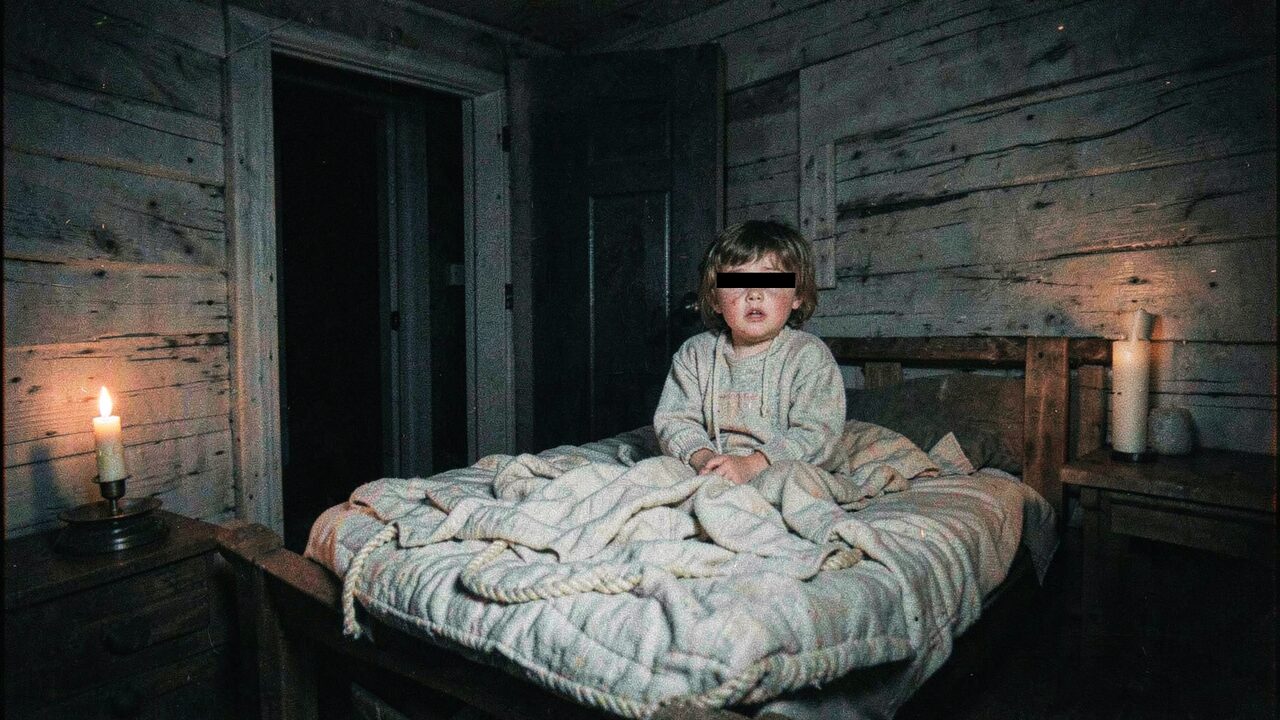
The Tillinghast children who were still alive reported something specific. Sarah, they said, was visiting them at night — sitting on their chests, making it hard to breathe. Tuberculosis produces night sweats, chest pressure, and the sensation of suffocation. Sleep paralysis does the rest. The children weren't lying. They were describing a symptom in the only vocabulary they had, and the vocabulary was their dead sister.
The most famous case is Mercy Lena Brown of Exeter, Rhode Island. By the early 1890s the Brown family was dying. Her mother, Mary Eliza, died of consumption in 1883. Her sister, Mary Olive, in 1884. Her brother Edwin fell ill. Then Mercy herself died on January 17, 1892. She was 19.
Edwin was still alive but fading, and the neighbors decided that something in the family plot was responsible. On March 17, 1892, three bodies were exhumed. Dr. Harold Metcalf presided over the examination, reportedly under protest. By the available accounts he did not believe in vampires. The community didn't require him to. They required the license.
The first two bodies had decomposed normally. Mercy had not. Her body showed little decay, and her heart and liver contained liquid blood. There was a plain reason for this: she had been stored in an above-ground crypt through a New England winter. But the facts did not feed the narrative people had arrived with. Mercy's heart and liver were removed, burned on a nearby rock, and the ashes mixed with water. Edwin drank it in March. He died in May.
The crypt wasn't supernatural architecture. In 19th-century New England the ground froze solid from December through March, so a winter death meant the body couldn't be buried. It went into a stone holding chamber — a receiving crypt — until the spring thaw. Mercy had been in there since January. Unheated. Stone walls. Ambient temperature hovering near freezing for two months. Everyone in Exeter knew what a receiving crypt was; they used one every winter. They looked at Mercy's preserved body and chose the other explanation anyway.
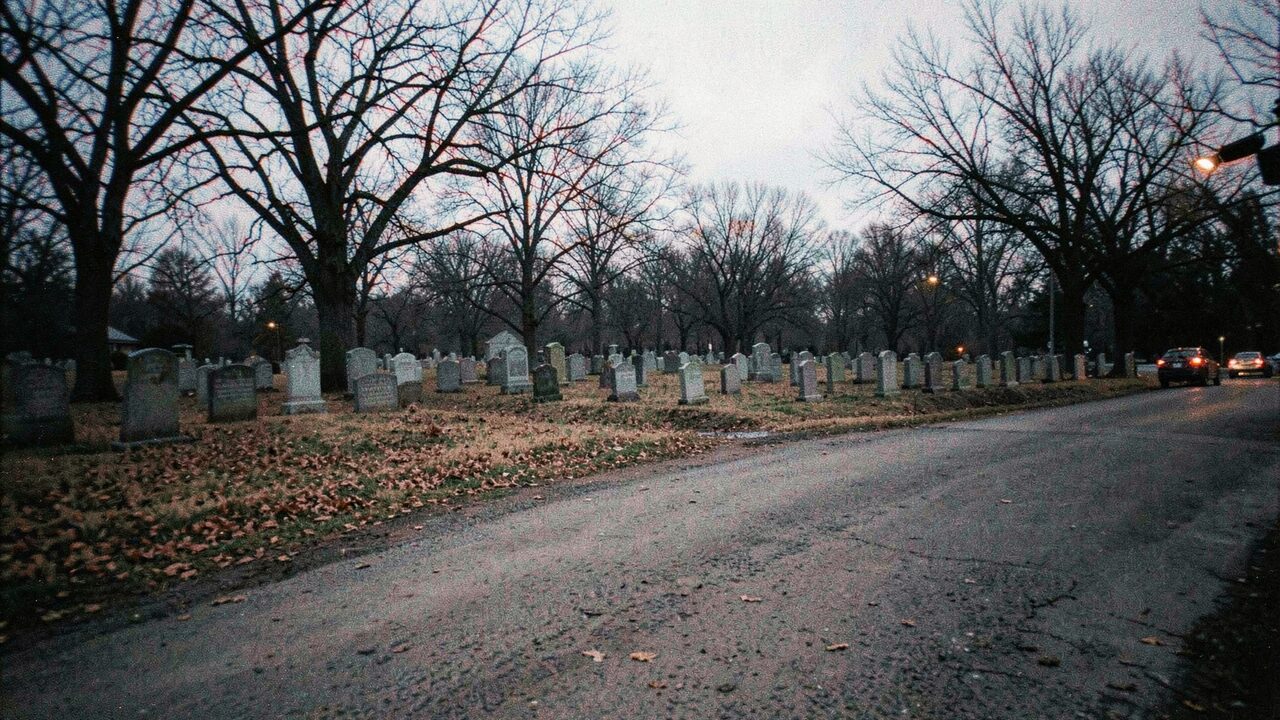
The rock is still there. In Chestnut Hill Cemetery, on the slope near the Brown family plot, there's a flat piece of granite that locals will point to if asked. The scorch marks, reportedly, remain visible. It isn't marked, and there's no sign. The town has not quite decided how it feels about being the place where this happened last.
A reporter from the Providence Journal covered the exhumation, and the article ran nationally. George Brown, Mercy's father, reportedly couldn't bear to watch. The year was 1892. Robert Koch had identified the tuberculosis bacterium 10 years earlier, in 1882. Exeter either hadn't gotten the memo or insisted on doing its own research.
The coverage was a national embarrassment. Papers in Boston and New York picked it up and treated Exeter as a museum exhibit, reaching for words like "superstition" and "backwater" and "the last century." The Yankee image — thrift, common sense, Protestant restraint — developed a visible crack. In 1892, it turned out, a Rhode Island farming town had dug up a 19-year-old girl, burned her organs on a rock, and fed the ashes to her brother. The national press wasn't sure what to do with that. Honestly, neither are we.
It also wasn't confined to the unlettered or the poor. In 1817, in South Woodstock, Vermont, a 20-year-old Dartmouth College student named Frederick Ransom died of consumption on February 14. His father, worried the disease would take the rest of the family, had him exhumed. Frederick's heart was removed, carried to Captain Pearson's blacksmith forge on the village green, and burned on the anvil before hundreds of onlookers. It did not work. Frederick's mother died of tuberculosis in 1821, his sister in 1828, and his two brothers in 1830 and 1832. A Dartmouth family — educated, well-off. The ritual did not care.
The Evidence in the Ground
For two centuries the cases lived in newspapers, council minutes, and family stories. Then one came out of the ground intact. In 1990, archaeologists in Griswold, Connecticut, uncovered a 19th-century coffin with brass tacks spelling "JB55." Inside, the skeleton had been rearranged — the skull placed atop crossed femurs. Someone had dug the body up after burial and rearranged it to keep it from rising. In 2019, DNA analysis tentatively identified the man as, most likely, a farmer named John Barber. He had tuberculosis.
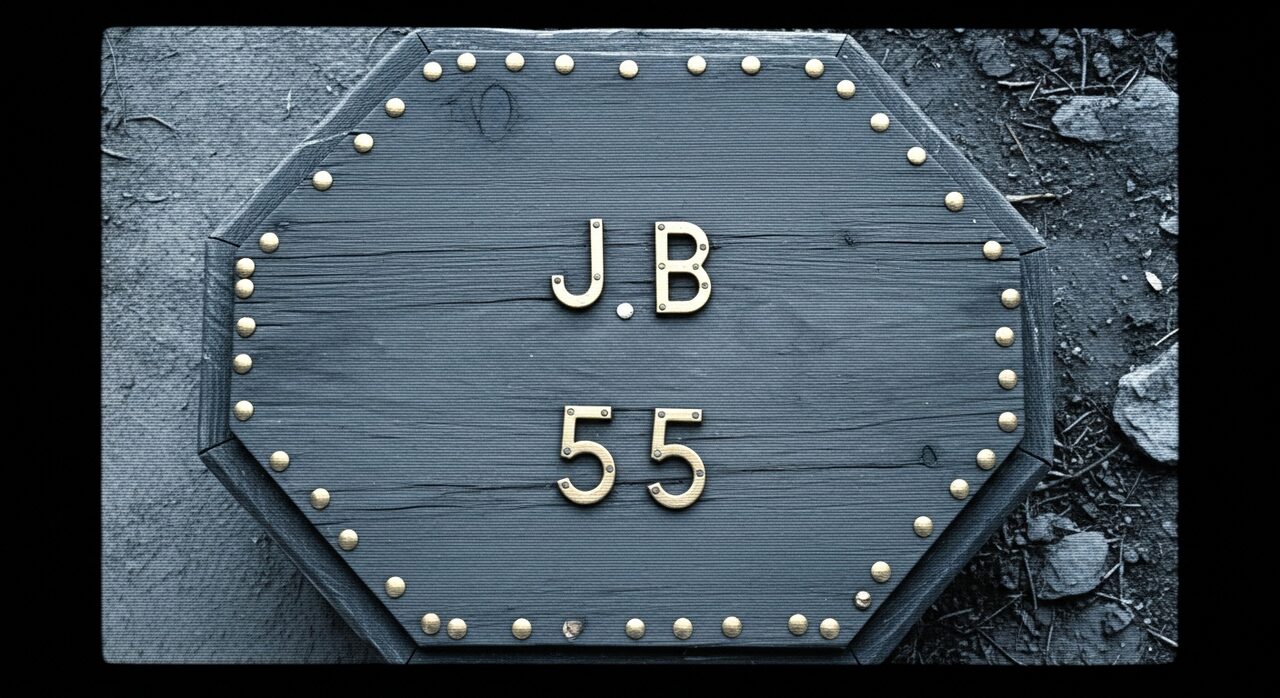
JB55 matters because it converts folklore into physical evidence. He had been middle-aged, 50 to 55, with a poorly healed collarbone and an arthritic knee — the kind of wear that comes from a working life. The Walton family cemetery held more than two dozen burials, and JB55 was the one someone had come back for, years after burial, to take apart and rearrange. In 2022 researchers published a digital facial reconstruction. The field, such as it is, advances through archaeology and genetics rather than anything paranormal.
The Procedure, and Its Witnesses
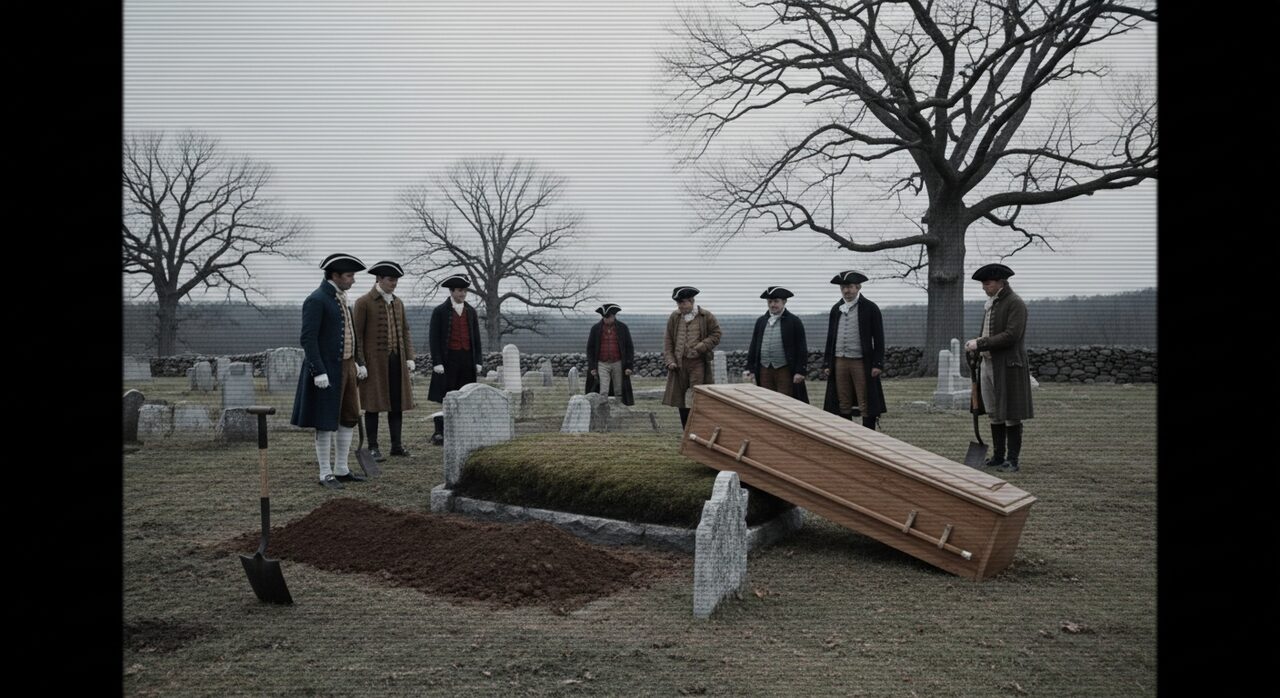
The exhumation itself had shape. Witnesses present. A doctor, when one could be found. The coffin opened, the body examined for decomposition, the chest cavity inspected, the organs assessed for what the accounts called "fresh blood." If the body looked right, nothing happened. If it looked wrong, the heart and sometimes the liver were removed and burned nearby — on a flat stone or a forge. The ashes were collected, and someone ill was usually waiting to drink them.
The medical explanation is straightforward and was, eventually, available. Tuberculosis spreads through close contact, which is exactly why it moves through households. The preserved bodies were cold storage. Blood pools in the organs after death. None of this required a vampire, but the information didn't travel. Medical journals, university lectures, and urban hospitals knew the bacterium within a few years of Koch's discovery; the hill towns of southern Rhode Island did not, in any practical sense, know it by 1892. Information in the 19th century moved at the speed of a rail line, and the rail line didn't stop at every farmhouse.
The practice did reach at least one famous reader. On September 26, 1859, Henry David Thoreau made an entry in his journal about a Vermont family who had burned the lungs, heart, and liver of a relative to stop consumption from spreading. He found the account disturbing and concluded, in effect, that civilization is a thin layer over something older. Thoreau had tuberculosis at the time. He died of it three years later. Nobody, at any point, suggested the cure for him; Concord was not that kind of town.
There's a further reader worth noting. According to scholarship on his research notes, a clipping about the Mercy Brown case sat among the material Bram Stoker kept while writing Dracula. In the novel, Lucy Westenra rises from the dead, and scholars have noted the resemblance. The most famous vampire novel in history may owe a debt to a Rhode Island farming community that practiced, in plain terms, post-funerary cremation by committee.
The Last Sip
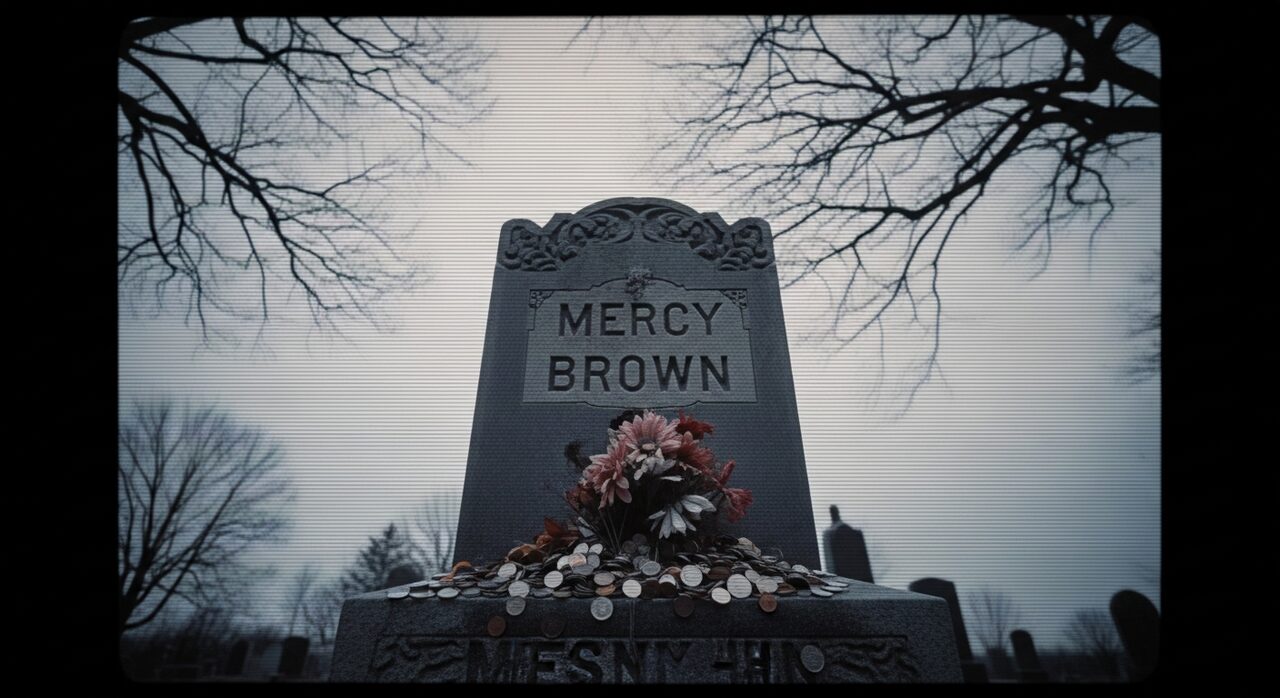
Mercy Brown's grave is still in Chestnut Hill Cemetery in Exeter. People leave coins, flowers, and occasionally garlic. The practice that put her there stopped around the turn of the century — not because the communities stopped believing, but because the disease finally got a name.
There's a second grave people visit by mistake. Nellie Vaughn died of pneumonia in West Greenwich, Rhode Island, in 1889. She was also 19. Her headstone reads, quote, "I am waiting and watching for you." In the 1960s a local high-school teacher told a garbled version of the Mercy Brown story to his class; students went looking and found Nellie's grave instead. The inscription, a standard religious sentiment of the period, now reads differently to people who've been told what to expect. Her headstone has been vandalized repeatedly by people trying to kill a vampire who was never accused of being one. The record was wrong in a classroom, and it stayed wrong.
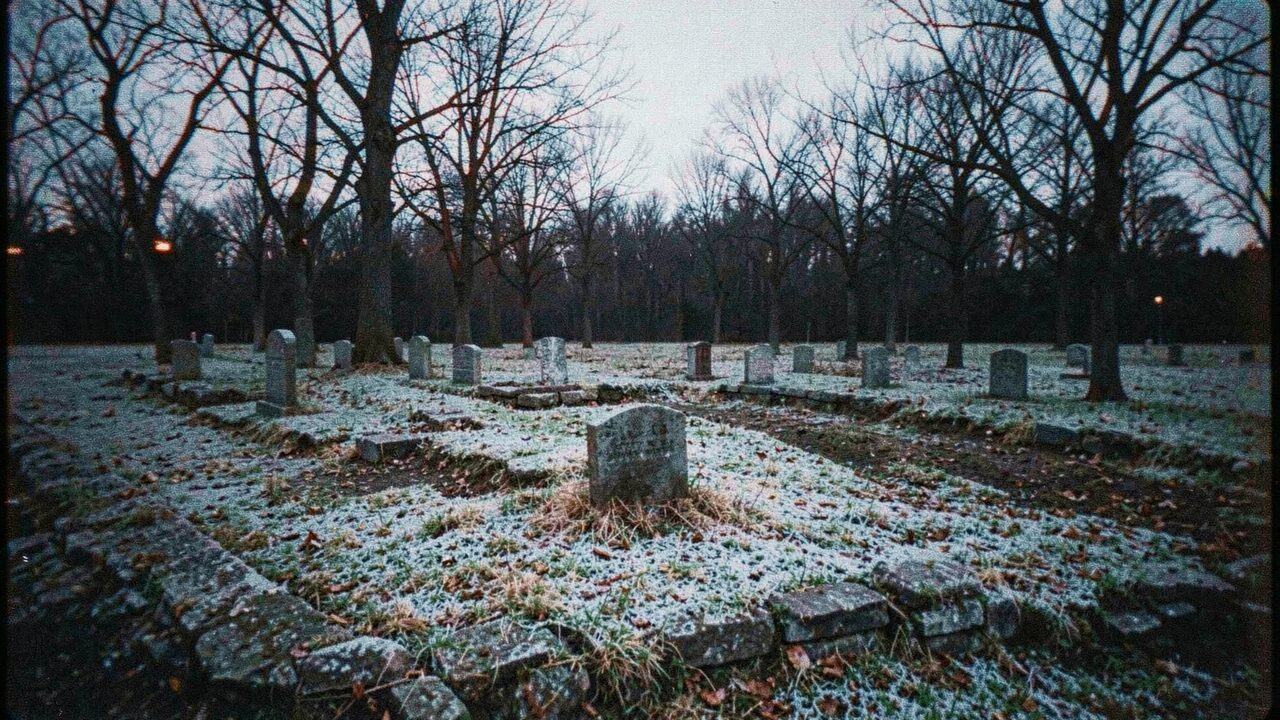
Once you know it's a bacterium, the dead stop looking suspicious. The file, as far as Exeter is concerned, is closed. The visitors keep opening it. In Cumberland, the minutes from 1796 still say deasent.
Sources & Case References
- Smithsonian Magazine — "The Great New England Vampire Panic" (2012)
- Smithsonian Magazine — "New England 'Vampire' Was Likely a Farmer Named John" (2019)
- Smithsonian Magazine — "Scientists Reconstruct Face of 19th-Century Man Accused of Being a Vampire" (2022)
- Genes / PMC — "DNA Testing Reveals the Putative Identity of JB55, a 19th Century Vampire Buried in Griswold, Connecticut" (2019)
- Atlas Obscura — "Grave of Mercy Brown"
- Michael E. Bell, Food for the Dead: On the Trail of New England's Vampires (2001)