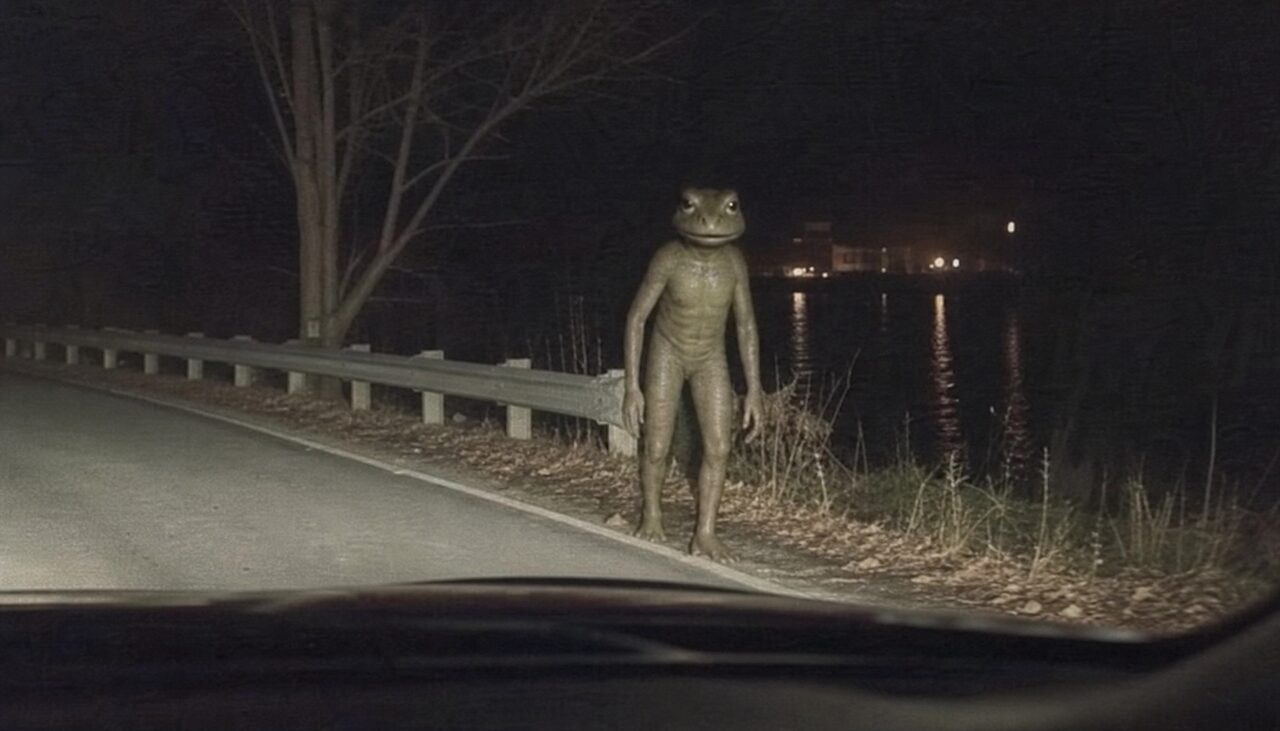
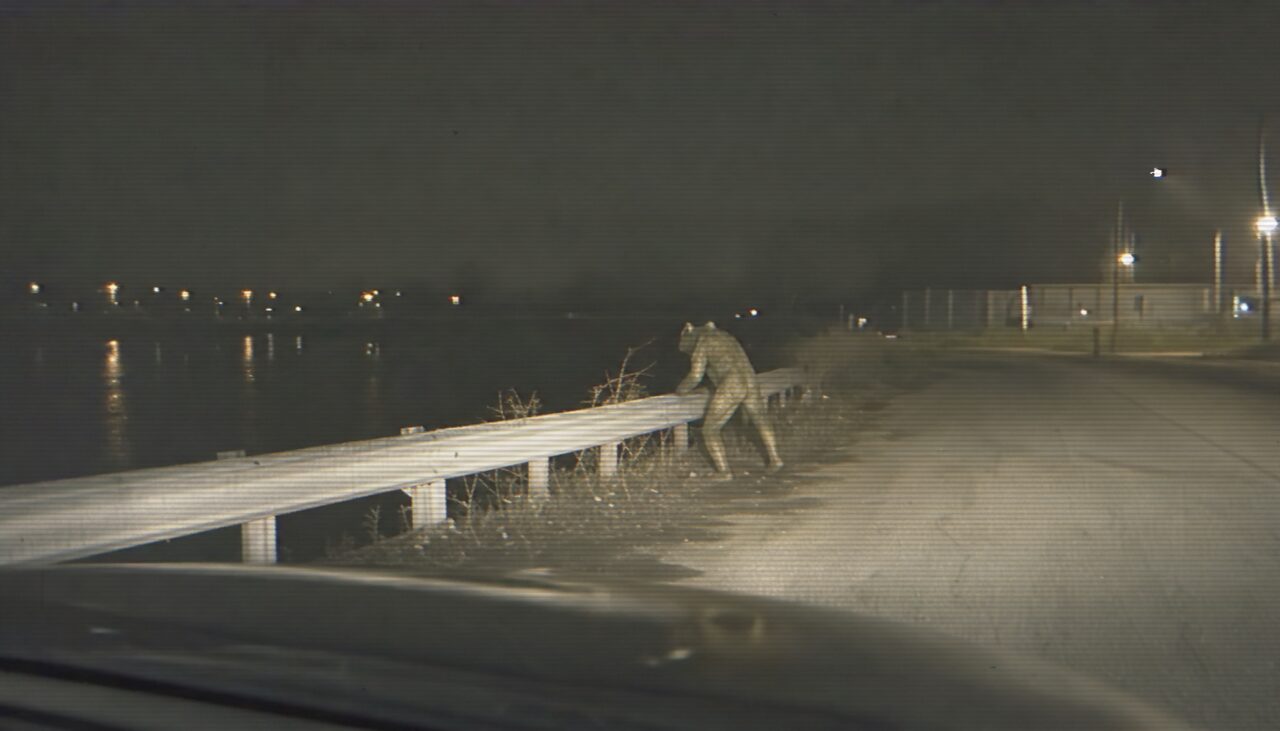
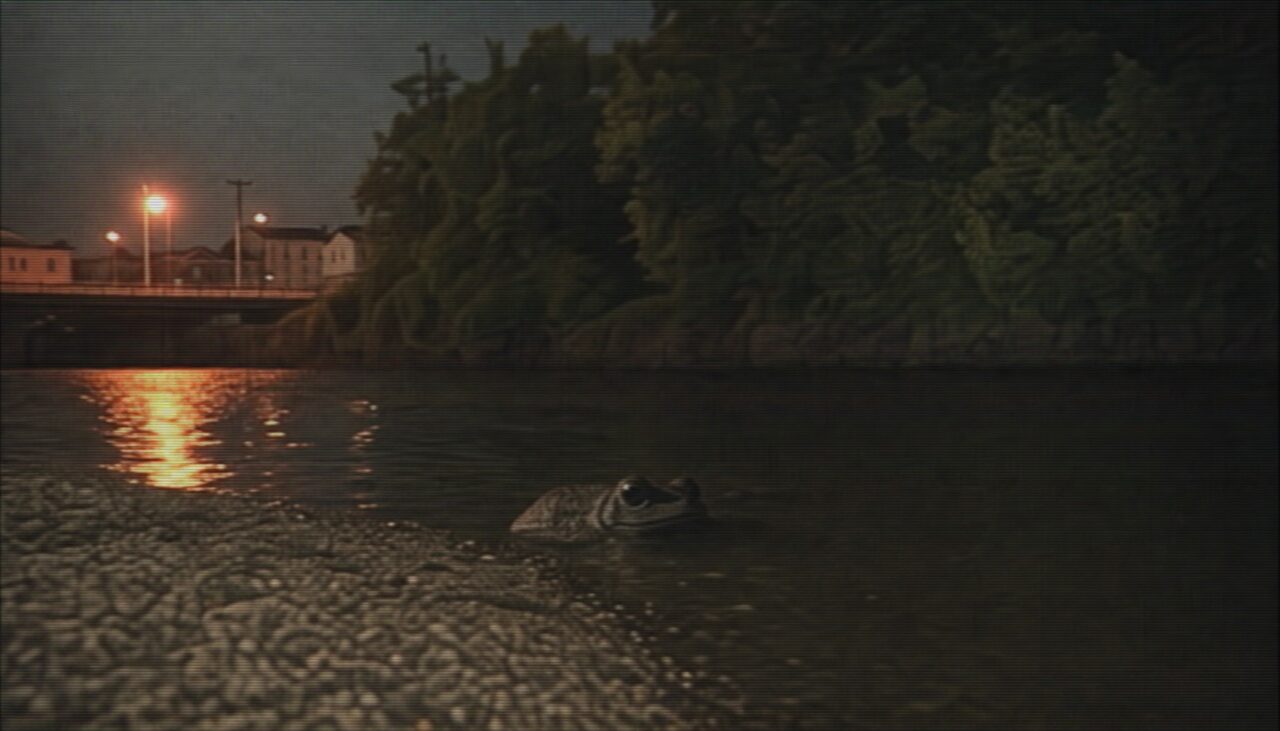
On March 3, 1972, a little after one in the morning, Officer Ray Shockey was driving Riverside Road near the Little Miami River when he saw something crouched at the side of the road. He took it for an injured animal and slowed down. According to the report he filed, it stood up — three to four feet tall, on two legs — looked at him, then went over the guardrail, down the embankment, toward the river. That last part was the detail he kept returning to. Not the size. The standing.
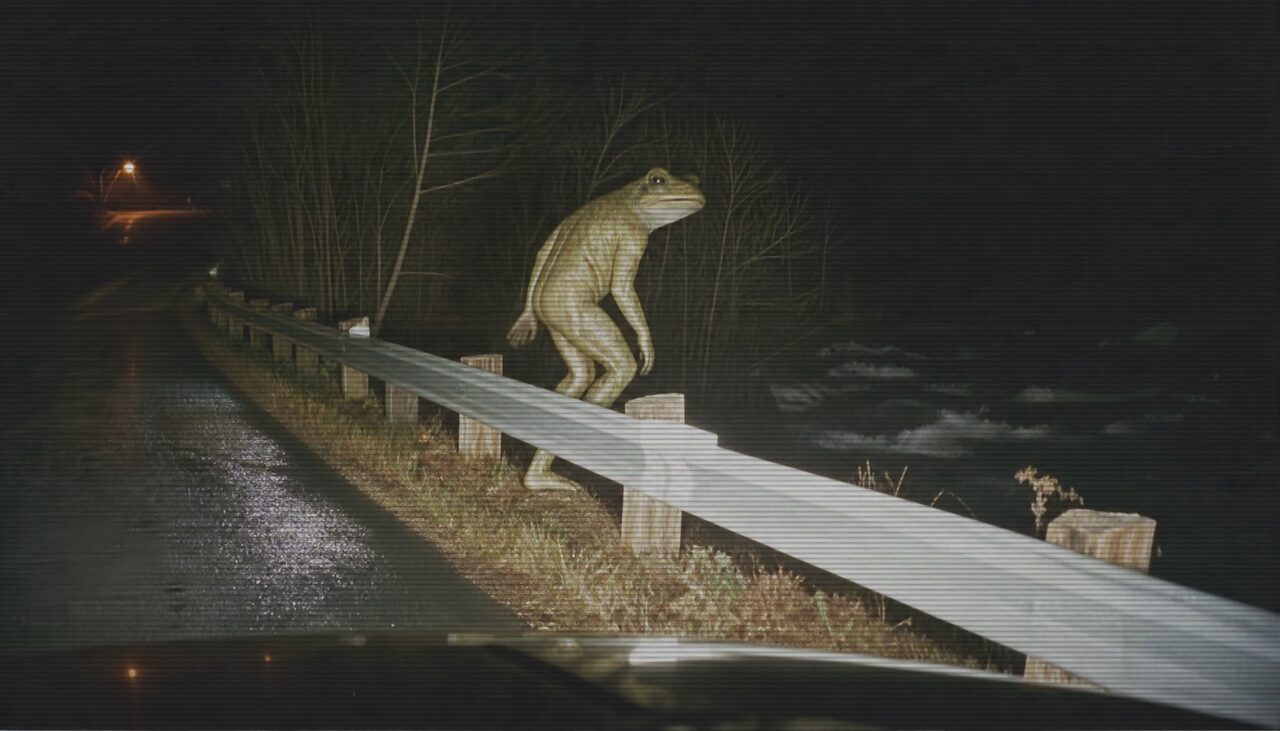
Two weeks later a second officer saw what appeared to be the same creature. He drew his service weapon and fired, which is the obvious natural response to a three-foot frog.
The Town
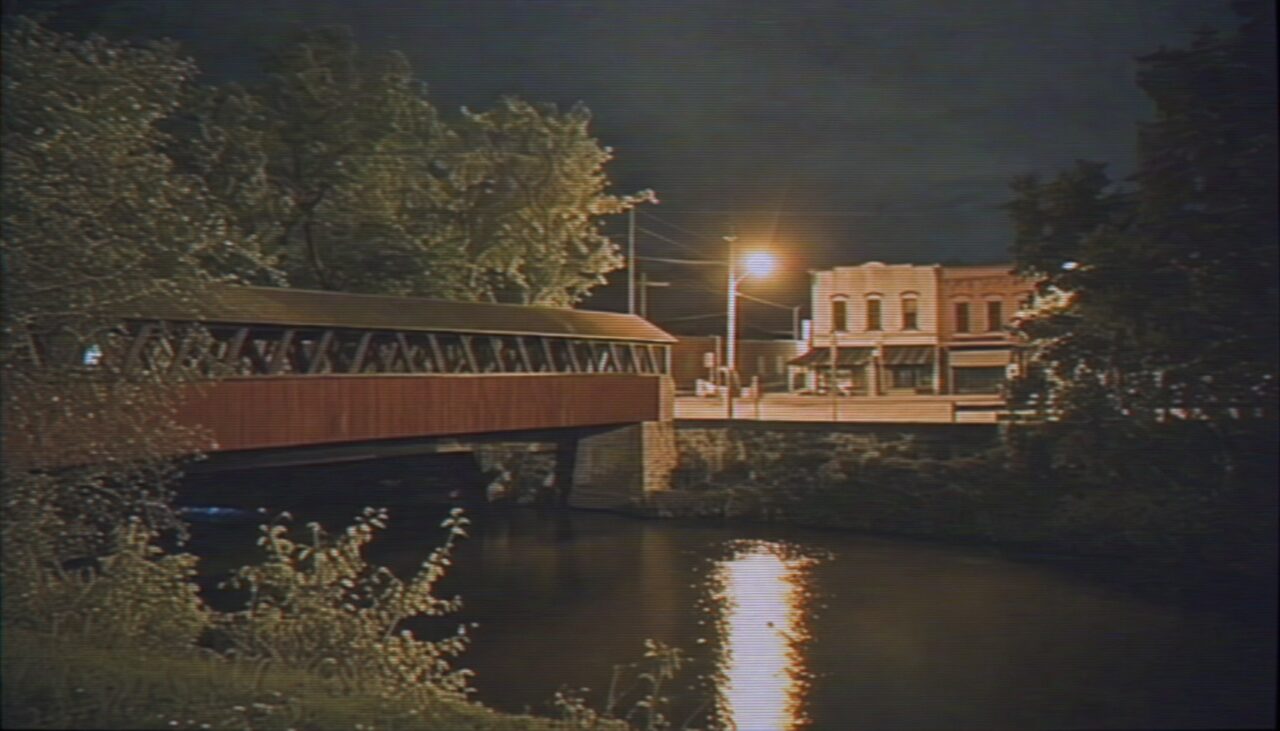
Loveland is a small city about 20 miles northeast of downtown Cincinnati. It straddles three counties — Hamilton, Clermont, and Warren — which means three sheriffs, three jurisdictions, and one small police department doing most of the actual work. It sits on a bend of the Little Miami, has a covered bridge that gets repainted on schedule, and a downtown that closes early. In 1972 the population was somewhere under 10,000. The kind of town where the desk sergeant knows every cruiser's voice on the radio. That detail becomes relevant.
The legend has an earlier chapter. In 1955, a businessman driving Route 126 near Branch Hill pulled over around 3:30 in the morning and reported three frog-like creatures standing under a bridge. One of them, by his account, was holding a wand. The wand emitted sparks. Cryptid researchers have spent the better part of seventy years deciding whether to call it a wand, a baton, or a stick, and have arrived at no consensus. The businessman did not stay to ask. He drove home and filed a report describing, on paper, more or less what you would expect a chance sighting of a toad-afflicted wizard to look like.
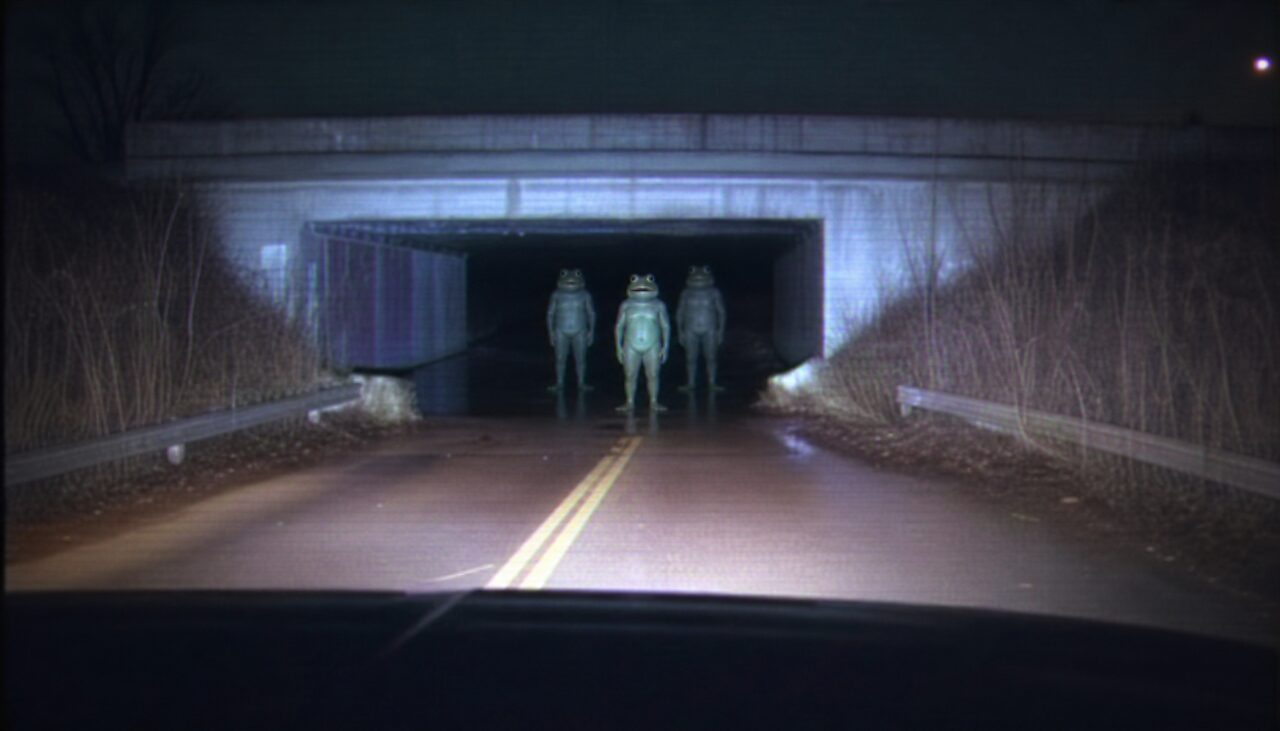
The wand is, for our purposes, the essential part of the record. Most serious researchers prefer the 1972 incidents, which have the advantage of involving on-duty police officers rather than a businessman reporting spark-emitting amphibians. American folklore in the mid-1950s was crowded — flying saucers, little men in West Virginia, goblins in Kentucky, a general sense among small-town witnesses that something was visiting and declining to introduce itself. The Loveland record lands in the middle of all of it, holding a sparking rod, looking faintly embarrassed. Of the cryptids documented that decade it is, by a measurable margin, the gentlest. No one has ever filed a Loveland Frog abduction. No one has ever filed a Loveland Frog disappearance.
Officer Shockey
Riverside Drive runs alongside the Little Miami, the river to the east, a low guardrail between the road and the drop. Shockey was westbound that night, returning from routine patrol, the Totes boot factory on his right. The shape of the figure was low to the ground and on the shoulder, not in the road, which is partly why he read it first as an injured animal. A reasonable assumption. Briefly correct.
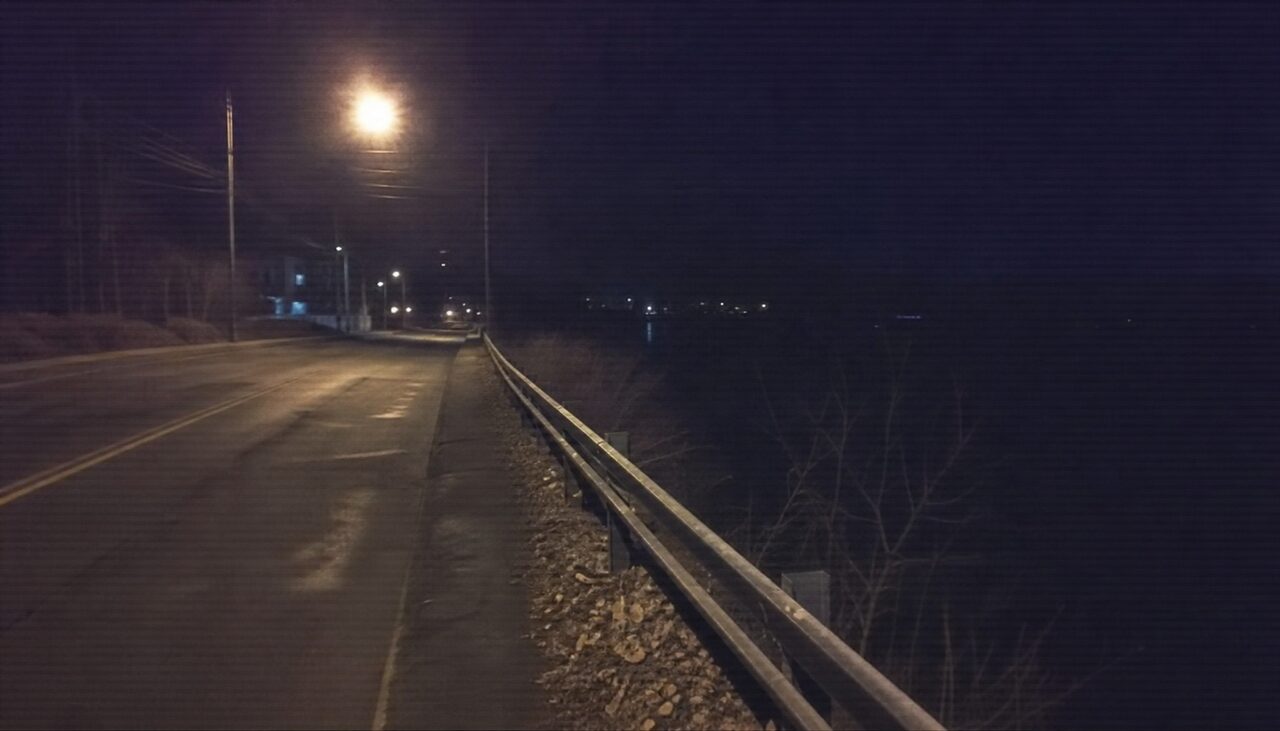
He described it as lean but not emaciated. The face was flattened and wide, the mouth — his word — frog-like. It looked at him, turned, and was over the guardrail. He reported the sighting to his department. He wasn't laughed at, exactly, but he wasn't taken with complete seriousness either, which is the standard institutional response to a police officer reporting a three-foot frog. He filed it anyway.
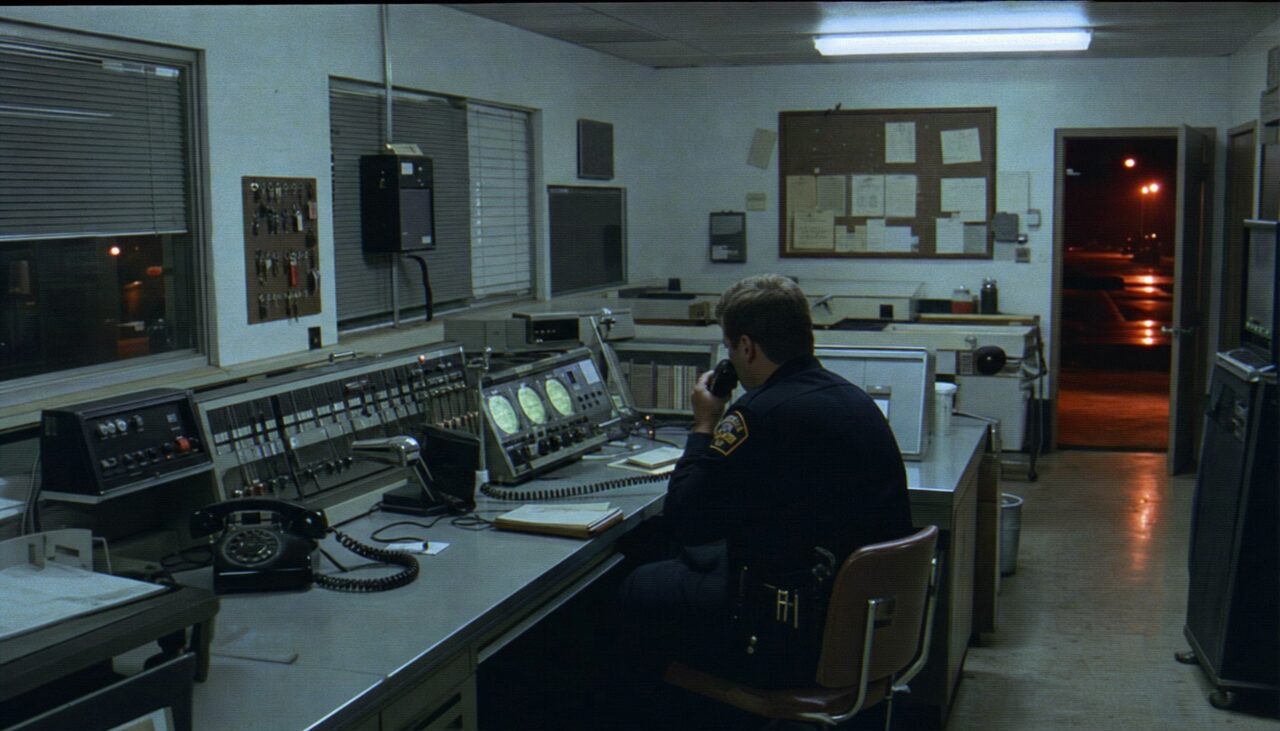
The radio call was logged. The desk sergeant on duty would have been a man Shockey saw three or four times a week, whose job that night became documenting an unusual report from a reliable officer. The report did not use the word frog. It described an unidentified creature, approximately three to four feet tall, bipedal, with leathery skin and a wide-mouthed face. Whoever transcribed that into the log did so without additional commentary. Loveland PD did not, on this night or any other, put the word frog into an official document. The town would handle that part later, and at length.
The Shot
About two weeks later, the second officer — Mark Mathews — saw what appeared to be an animal lying in the road. He stopped. The animal got up. Mathews did what police officers are trained to do, which is to say he drew his weapon and fired.
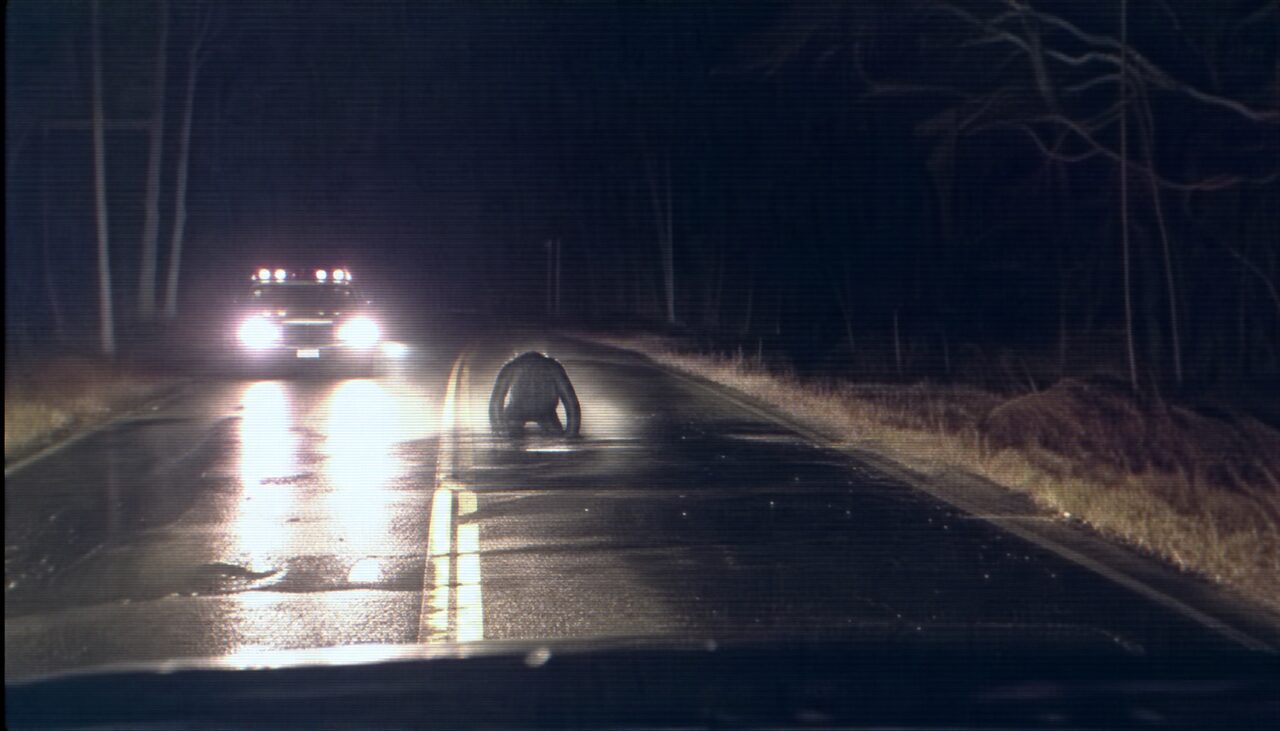
The shot was loud. Then the road was quiet. By his account the creature hobbled — not hopped, hobbled — toward the river and disappeared. Whether he hit it was, at the time, undetermined. No body was recovered at the scene. Mathews radioed in, a second cruiser was dispatched, and the two officers swept the bank with flashlights and found nothing on the rocks, nothing in the shallows, nothing where a body would reasonably be. The river that night was running cold and high. Anything that entered it had options. His original report described the creature as having stood, walked upright, and entered the water under its own power. The report was filed, signed, and shelved. It did not contain the word iguana.
The Iguana
In 2016, Mathews called a Cincinnati news station with a different version. The creature, he said, had been a large iguana missing its tail. He had recovered the body, placed it in the trunk of his cruiser, and shown it to Shockey, who agreed it was the same thing they had both seen. The call did what such calls tend to do: it was reported, repeated, and became, for a stretch of time, the headline version of the story. Researchers who had spent four decades on the original file found themselves answering questions about an iguana.
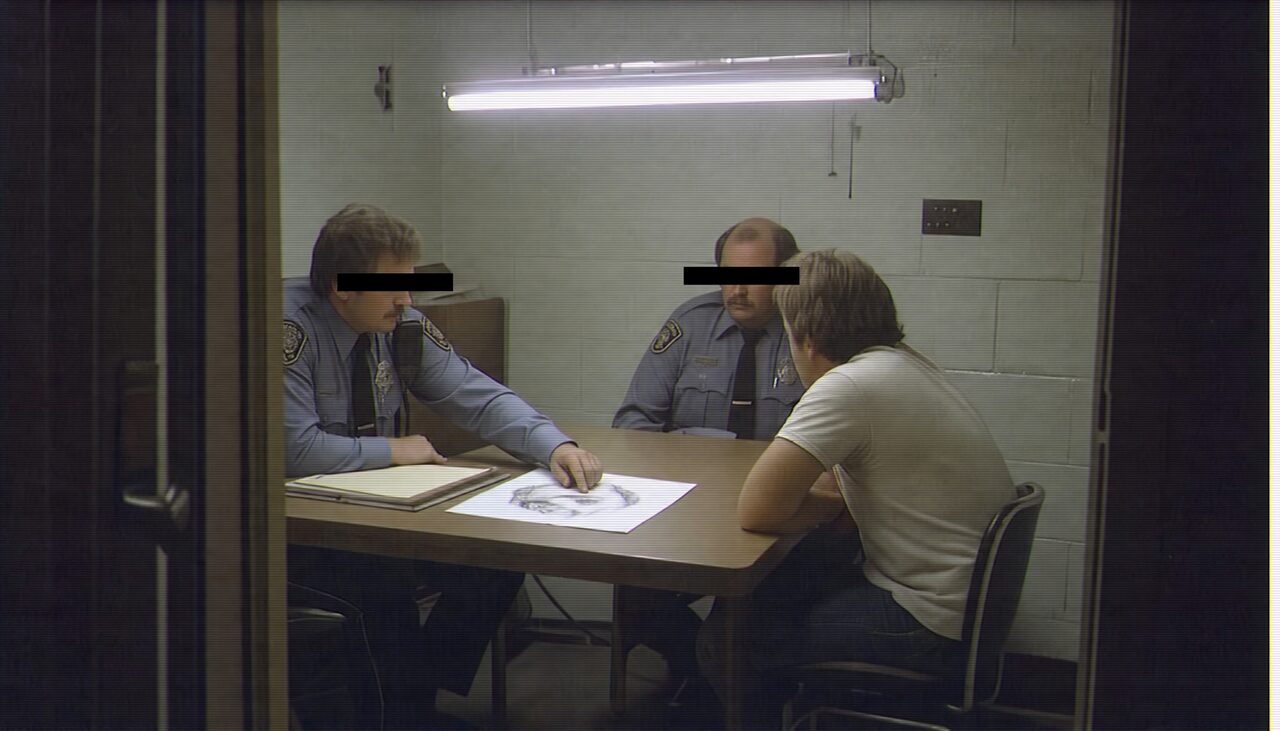
Schaffner, who had the original sketch, the original interviews, and the original sworn statements, raised his hand. He did not raise his voice. His public response amounted to a single question, asked plainly: why two officers had, forty years earlier, signed off on a drawing of a bipedal frog-faced creature if the creature had been an iguana. He noted that one of these accounts had been on the record since 1976 and the other had arrived during a slow news cycle, and left the inference to the listener. The question has not been answered. Shockey, for his part, has never corroborated the trunk.
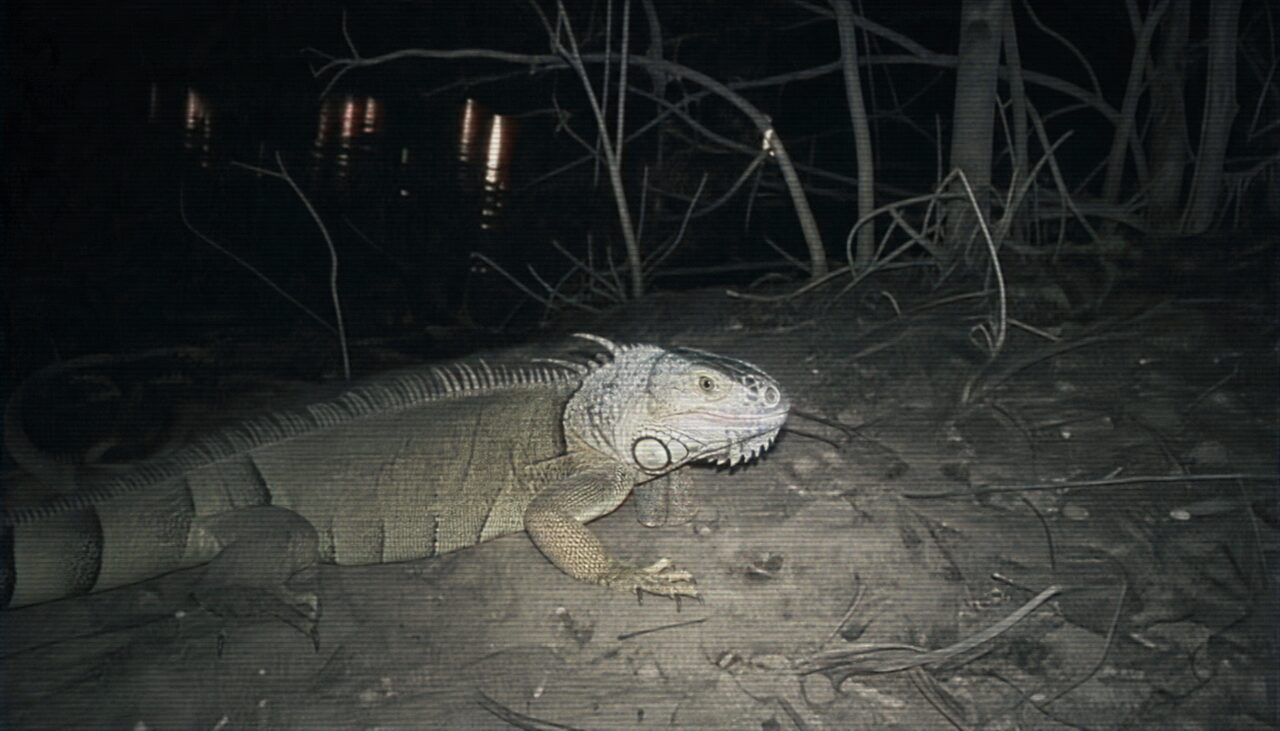
The iguana explanation is reasonable. It is not comprehensive. It does not address why both officers described a frog-like face rather than a reptilian one — iguanas and frogs do not look particularly similar, even at one in the morning. It does not address the reported height of three to four feet while standing upright, a posture iguanas can approximate but not sustain. The hypothesis also requires several things to be true at once: that the iguana was roughly three and a half feet long, missing its tail, escaped from local captivity in early March, and moving with enough verticality at the moment of contact to read, to a trained officer, as bipedal. Iguanas are not, generally, vertical animals. They are also not native to Ohio in March, which on the night in question was 41 degrees and dropping. An escaped tropical lizard, in that weather, on that road, would have been doing very poorly. It would not have been hopping a guardrail. And it does not, at any point, address the wand.
The Mascot
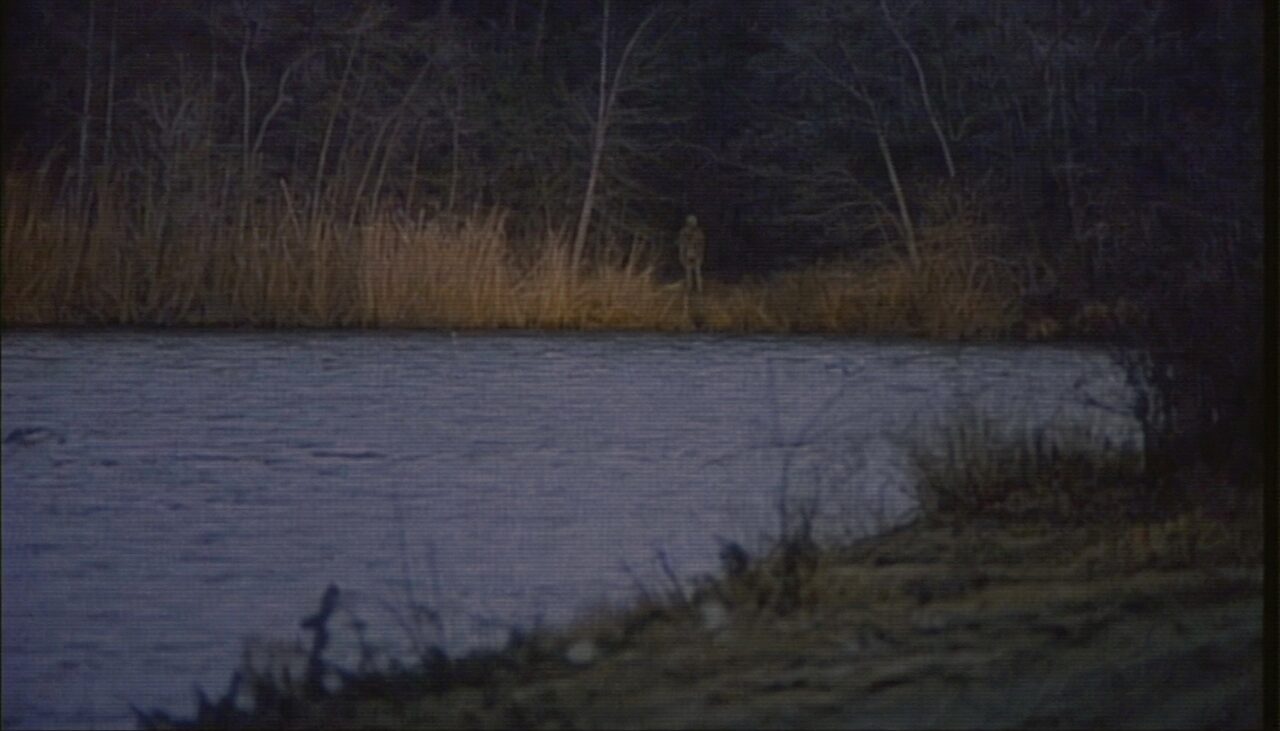
Six weeks before Mathews called the news station, a teenage cyclist near Lake Isabella reported a four-foot creature standing upright on the bank. He described it the way a teenager describes such things — immediately, online, with photographs that didn't quite show anything. The internet did its thing. The boy was teased and the story ran for a news cycle. He was, however, the third person on record to report a frog-shaped creature in roughly the same stretch of river over six decades. Whatever else he was, he was consistent with the file.
Loveland, regardless of any recantations, held on to the little frog man. In 2014 two Cincinnati playwrights — one of them from Loveland — staged a comedic bluegrass musical, Hot Damn! It's the Loveland Frog!, at the Cincinnati Fringe Festival. It sold out. It came back. It came back again, and has run repeatedly at theaters across Greater Cincinnati ever since. There is a foot race, the Loveland Frogman Run, held annually, with a finish-line photo backdrop. A local brewery has released a Frogman-themed beer on more than one occasion; the label art varies, the affection doesn't.
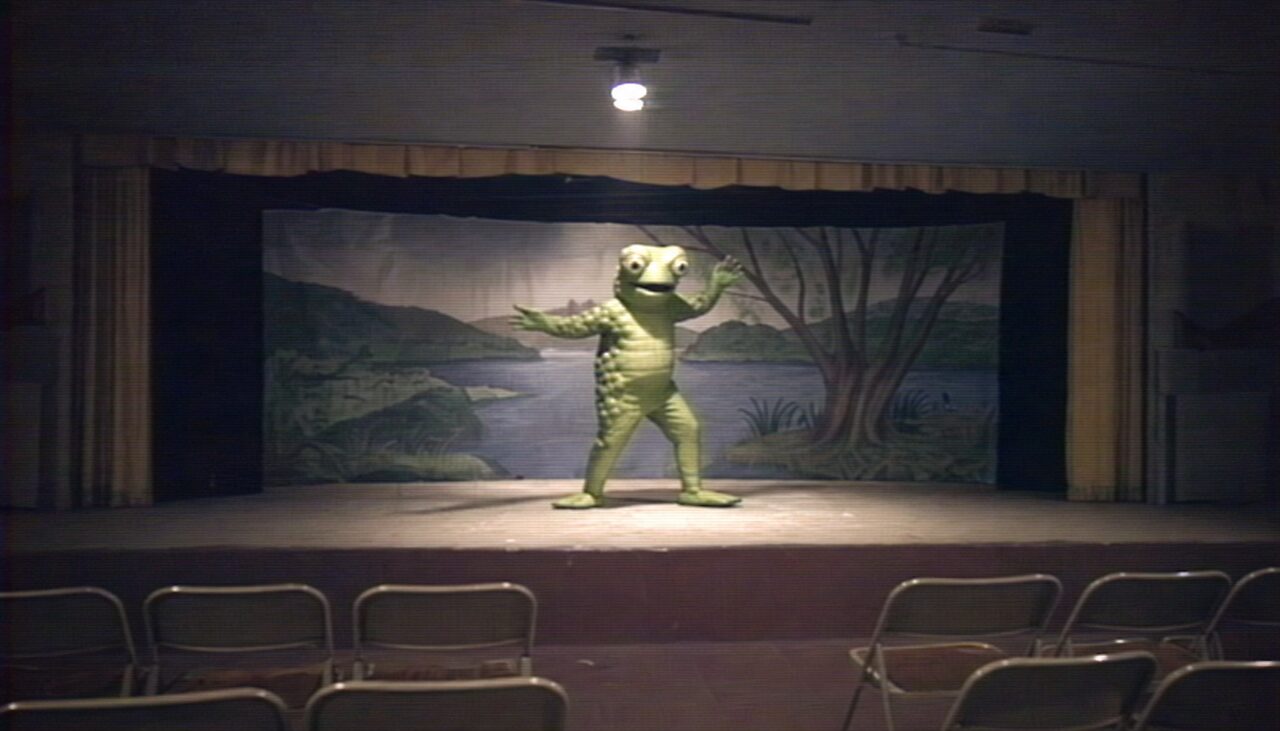
In 2023 the city made it official and adopted the Frogman, in writing, as its mascot. The civic version is called, by the people who maintain him, the Frog Prince. He attends parades. At various points an Ohio state legislator has proposed naming him the official state cryptid; the proposal hasn't passed, and hasn't, notably, gone away. There are statues, postcards, and enamel pins sold at the hardware store. Children draw him in school. The creature a police officer once shot at is now a brand.
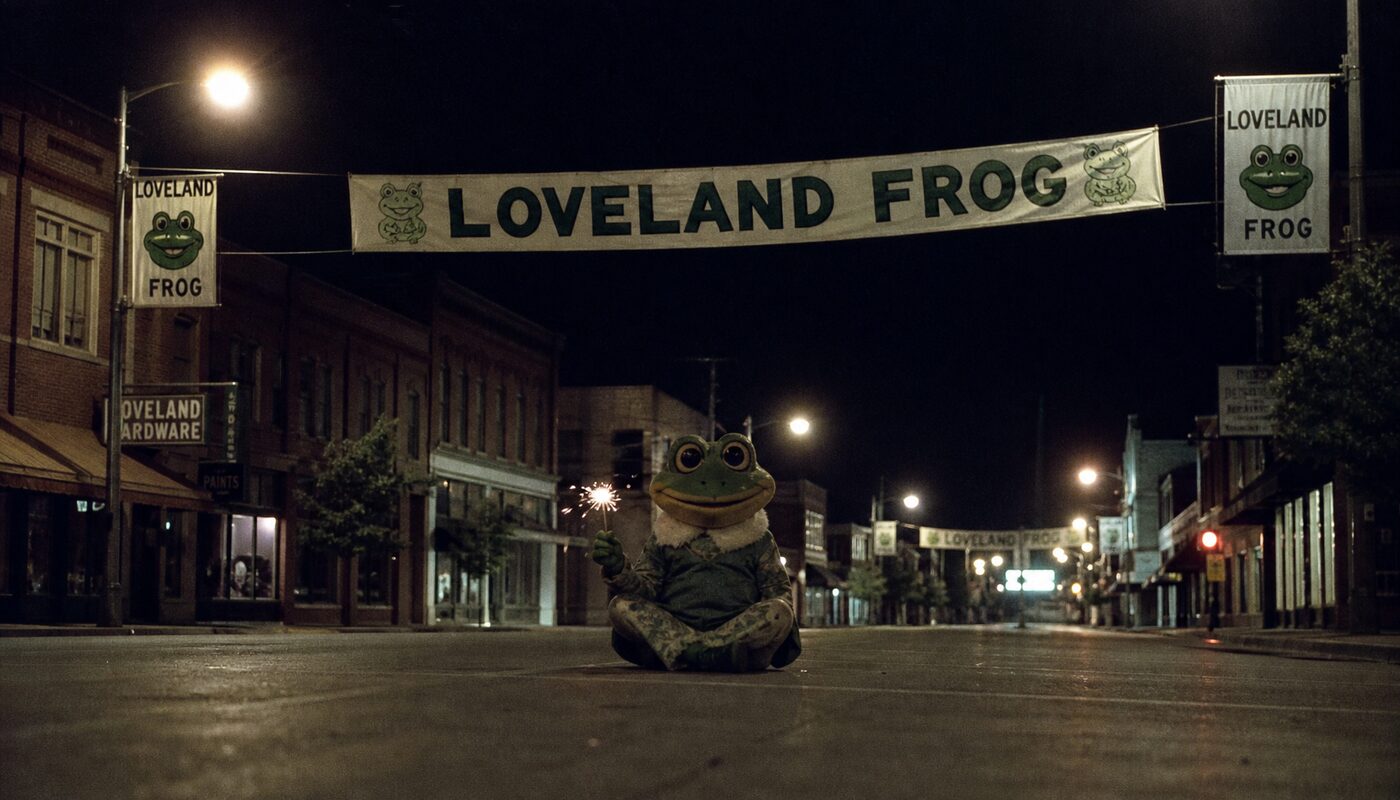
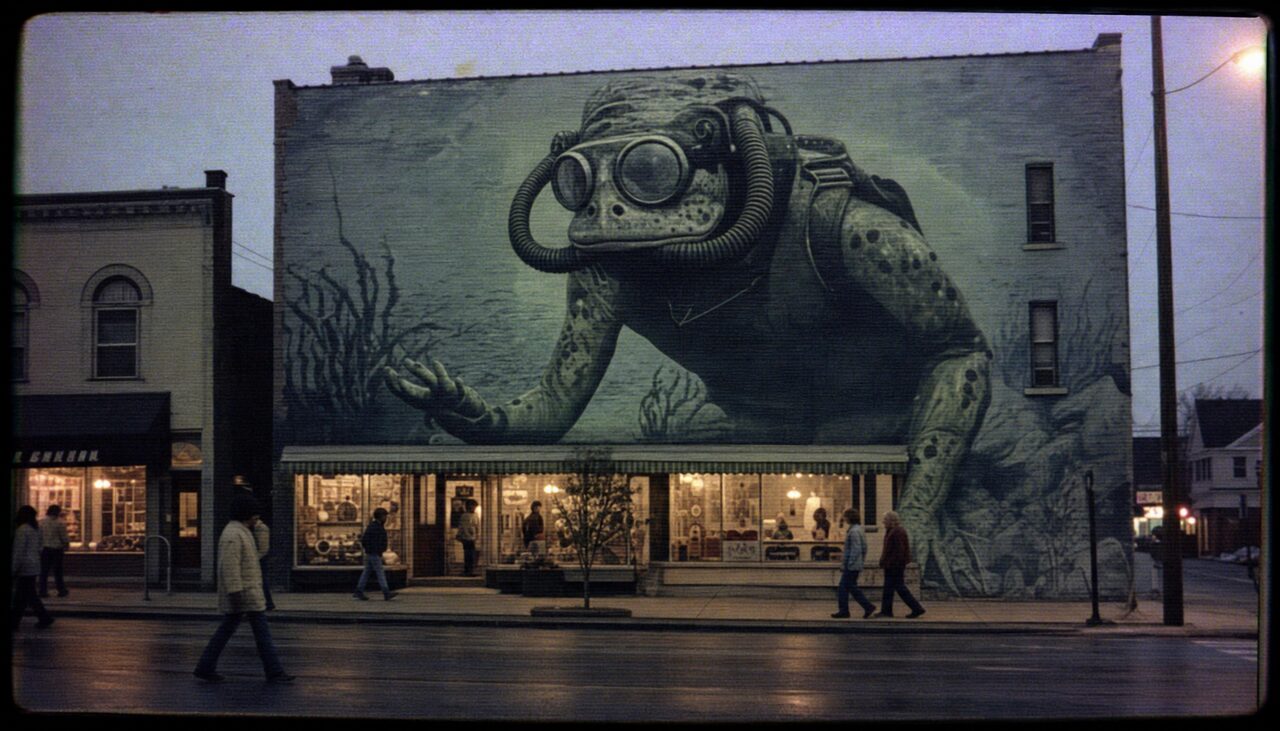
Loveland has not, at any point, tried to convince anyone the Frogman is real. That isn't the goal. The goal is to enjoy the idea. A town gets handed a strange story once, maybe twice, and the choices afterward are mostly about posture. Loveland chose to welcome it. Whatever the record ultimately decides he was, the town has already decided what he is.
The Little Miami still runs through Loveland. The musical is performed annually. Shockey has never quite agreed it was an iguana. Nothing has hopped out of the river recently. The wand continues to spark.
Sources & Case References
- WCPO — "Officer who shot 'Loveland Frogman' in 1972 says story is a hoax"
- WCPO — "What is the Loveland Frogman?" (2024)
- WCPO — 2016 Lake Isabella sighting coverage
- Cincinnati CityBeat — "Frogman Festival celebrates Cincinnati's weirdest folklore" (2026)
- Atlas Obscura — "Meet the Cryptids Haunting Ohio's Imagination" (2020)